EXHIBITION Beryl Bainbridge

EXHIBITION Beryl Bainbridge at WMC’s Ruskin Gallery

10-14 June and 1-19 July 2013

Free entry: Mon to Fri 09:30-20:30, Sat 09:30-15:30 (term time only)

BB71

Dame Beryl Margaret Bainbridge DBE

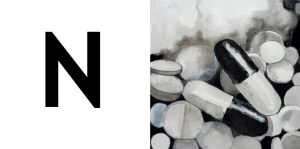
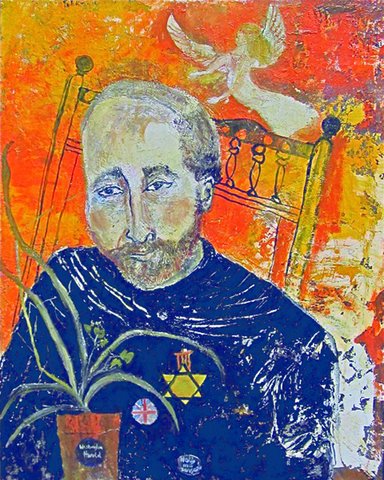
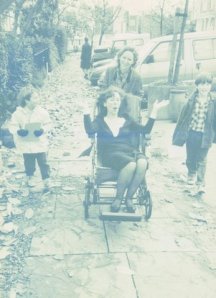
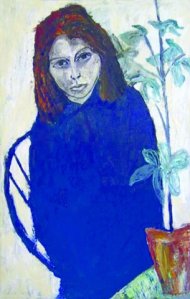
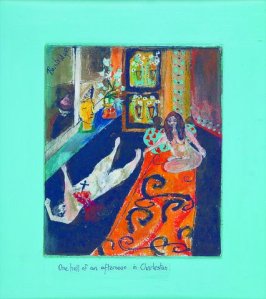
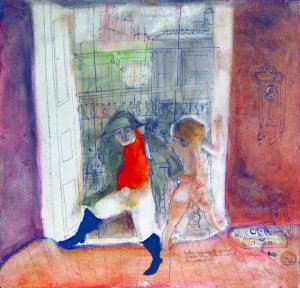
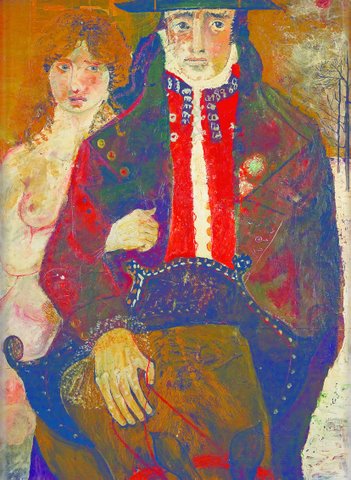
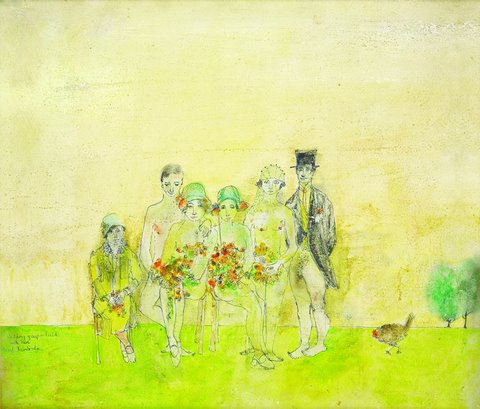
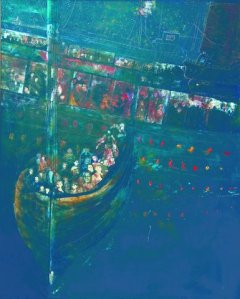
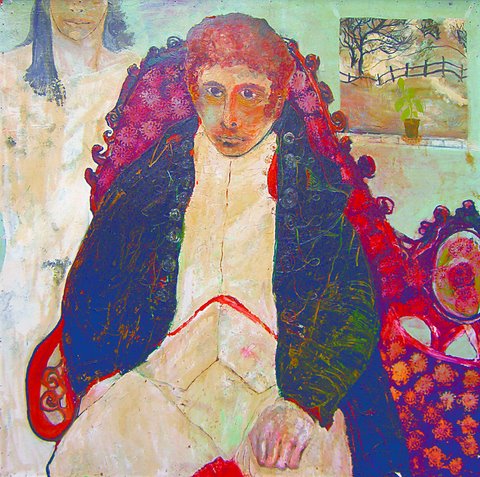
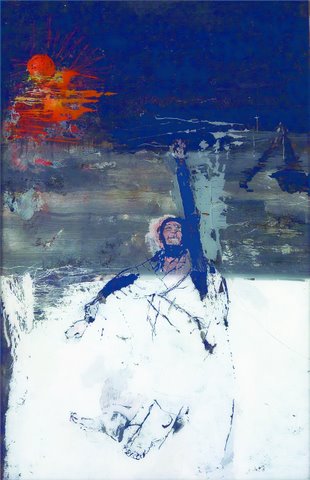
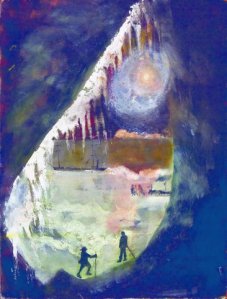
Beryl Bainbridge, 21 November 1932 to 2 July 2010, was an English writer from Liverpool. She was primarily known for her works of psychological fiction, often set among the English working classes. She was also an untrained artist using painting sales to survive as a single mother while writing novels. Using her kitchen table in Camden, her finger and often spit, she showed scenes of everyday life and political and historical fantasy. Her home was filled with unusual objects, including a stuffed buffalo.

BB118 DIGITAL CAMERA

Beryl Bainbridge might now be known as a fashionable “outsider” artist, like those shown by the Museum of Everything and currently at the Hayward Gallery. She used whatever was to hand to make work and survive. She sold large and vivid canvasses to supplement her wages, at one point as an actress with in 1961 a bit part in Coronation Street where she helped one of the characters make a Ban the Bomb placard. She was writing from an early age, by 10 keeping a diary and at 11 appearing on Northern Children’s Hour radio show, and was expelled from her Girls’ School being caught with a dirty rhyme, written by someone else.

BB69 JJ  BB67 JJ  BB2

Bainbridge began to write, primarily basing her work on incidents from her childhood. Her first novel, Harriet Said…, was rejected by several publishers, one of whom found the central characters “repulsive almost beyond belief”. It was eventually published in 1972, four years after her third novel, Another Part of the Wood.  Bainbridge won the Whitbread Awards prize for best novel in 1977, Injury Time, and again in 1996; Every Man for Himself.  She was nominated five times for the Booker Prize, described in 2007 as “a national treasure” and, in 2008, The Times newspaper named Bainbridge among their list of “The 50 greatest British writers since 1945”.

BB29 JJ BB27 JJ  Beryl Bainbridge - Paintings.  Beryl Bainbridge - Paintings.

Beryl Bainbridge’s best friend, Psiche Hughes, was involved with Beryl’s family and estate, in the Liverpool Museum exhibition of Beryl’s paintings, for which she contributed objects and stories from her long history with Beryl. Their friendship and Beryl’s life including her writing and painting is documented in Psiche’s book published by Thames and Hudson.  In 2003 Beryl told The Guardian: “In 1965 having left my home town of Liverpool, and living in a top-floor Hampstead flat, I gave birth to a daughter, expelled in a thunder storm but with nothing suitable in which to wash her, until Philip and Psiche Hughes in the ground floor flat came up trumps and loaned their chicken casserole dish.” Beryl and Psiche became and continued to be best friends and later both became students at Camden’s Working Men’s College.

BB18  BB16 JJ  Beryl Bainbridge - Paintings.  BB11 JJ

Psiche Hughes, a former lecturer in Latin American and comparative literature at the University of London, has published several translations of prose and poetry.  Psiche currently studies ceramics at Working Men’s College.

For more information: estherw@wmcollege.ac.uk

To reserve places at the Talk: events@wmcollege.ac.uk or 020 7255 4748

TALK by Psiche Hughes  Beryl Bainbridge Artist, Writer, Friend

(also the title of Psiche Hughes’ book published by Thames and Hudson)

Thursday 13 June 2013 7pm

Free but to reserve a place: events@wmcollege.ac.uk 020 7255 4748

At Working Men’s College, 44 Crowndale Road, Camden, London NW1 1TR

Beryl Bainbridge: Artist, Writer, Friend by Psiche Hughes, published by Thames and Hudson, £19.95. Copies available for sale on Thursday 13 June.

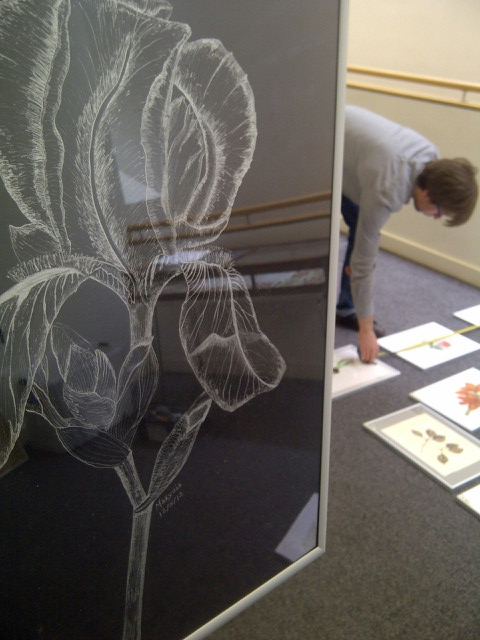
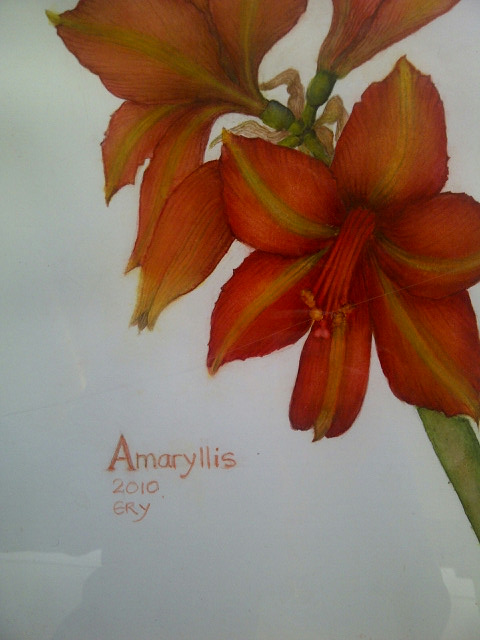
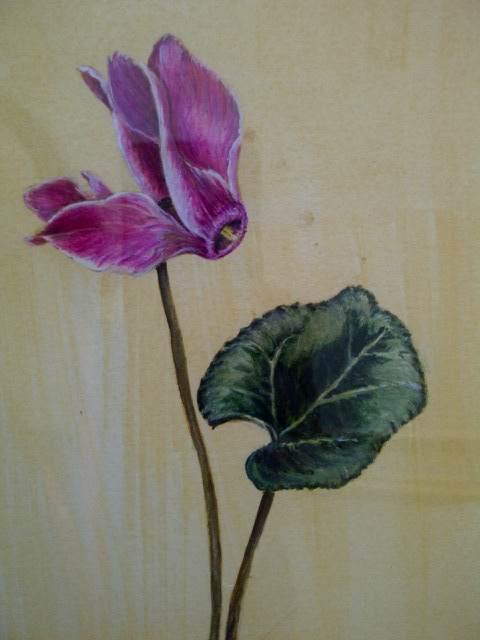
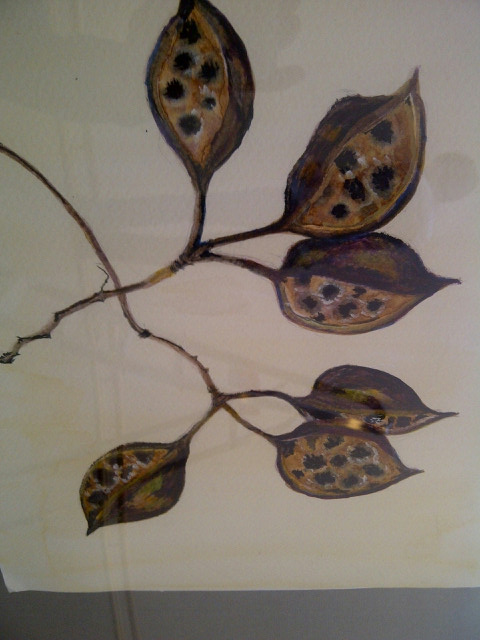
Botanical Drawing Students

Botanical drawing 17 May – 31 May  2013

Open Monday – Friday 9.30-8.30pm

Saturday 9.30-3.30pm (term time only)

Camden-20130517-00229

Artists: Elizabeth Barnes, Claudia Colia, Judith Cook, Ann Fusi,  Clare Gerrard, Silvia Acost-Palmer, Alison Freefard, Marysia Kratimenos, Keren Mc Connell,  Kate Squire, Jenny Stokes, Yi Ynin Tsao, Elizabeth Young.  

In the 17thc before the advent of photography, observation recording and learning about science through nature, was done via drawings, often of exacting and elaborate detail.  Originally for the propose of identifying plants and gathering knowledge botanical drawing at working men’s college was a firmly established part of the curriculum in the 1800’s, along with Bible study, discussions on issues of empire, politics and social reform and accompanying vocational skills. between 1750 and 1850 –on its origins and the pre-classical era; on ancient herbals and the Renaissance period, featuring Leonardo da Vinci; on Dutch and German painters, including Dürer, and work by American artists Catesby and Bartram from the early 18th century, as well as Linnaeus, the plant classifier, and a host of explorers and travellers. Many of the 250 images, from the archives of the Royal Botanic Gardens at Kew, have rarely or never been seen before.

Camden-20130517-00233 Camden-20130517-00230

Botanic art’s golden age was heralded by global explorations of Russia, India, China, South America, Japan and Australia by individuals like Sir Joseph Banks, Franz Bauer and Francis Masson who depicted their bounty of new found lands, like Strelitzia reginae by Bauer, in those days they must have seemed as exotic as a bird of paradise.

Botanical drawing has enjoyed a return to fashion in coffee table books, lifestyle supplements and areas of fine art – a nostalgia for looking and not snapping point and shoot style along with a romance for nature. Today’s renaissance in botanical drawing does not have the same function as in the past, now it’s about preserving cultural values; of slowness, gardens, Englishness, the hand tended and picked.

Our Botanical Drawing course was inspired by Working Men’s College’s historical connections with artists such as Dante Gabriel Rosetti, William Morris and in particular, John Ruskin. The study of natural forms and traditional methods were once the core of art lessons in the college’s early years. Ben Senoir the course’s tutor – has his own artist interest in historical and traditional methods of drawing and painting. As such,sessions often include painting in the ancient technique of egg tempera and discussions of the work of past ‘Old Masters’ such as Chardin, Caravaggio and Zurbaran. Today it is also focus for contemporary debate as our concern for the environment and fragility of plants is critical in the context of post industrial society and global warming.

Open to all levels – students join the course to improve their objective skills of observation and their techniques of painting and drawing. Students have used the course to enhance their  professional practice as well as their own leisure interests.

Camden-20130517-00236 Camden-20130517-00237

Archive Today

Archive Today

8th March – 26th April 2013
Open Monday – Friday 9.30-8.30pm
Saturday 9.30-3.30pm (term time only)
Easter holiday closed: 29 March – 14 April

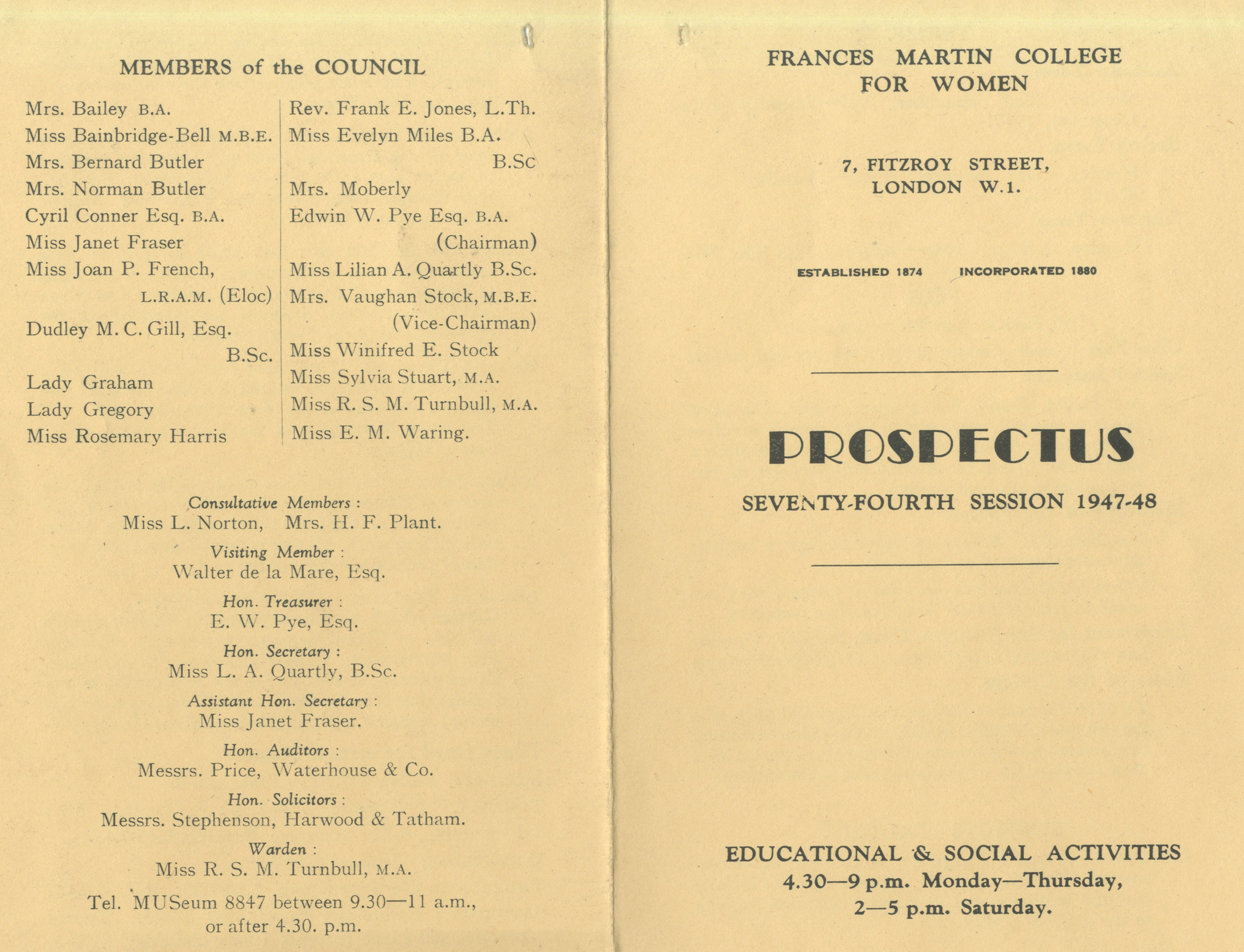
archive francis martin 1974 1874-1974 1

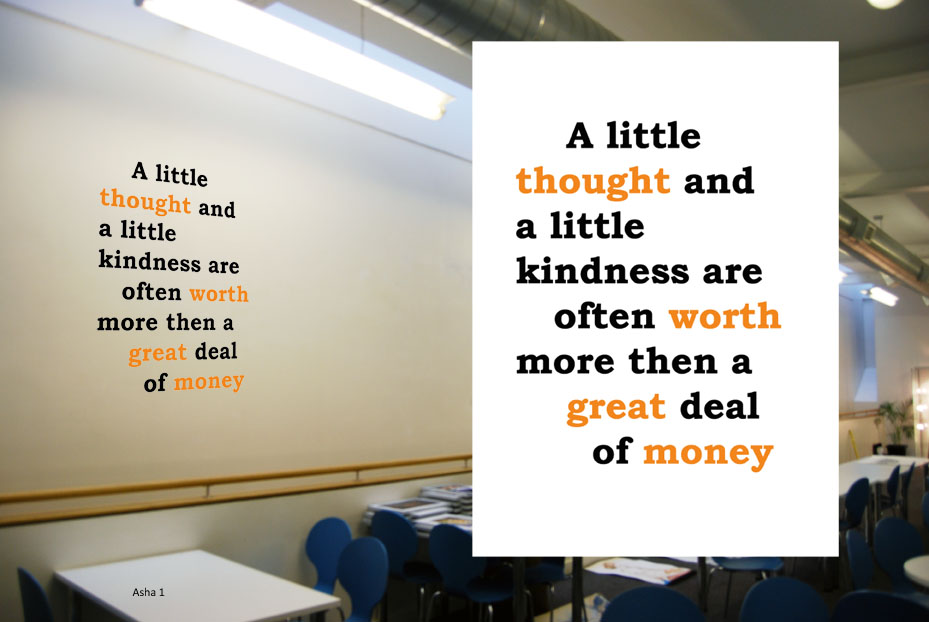
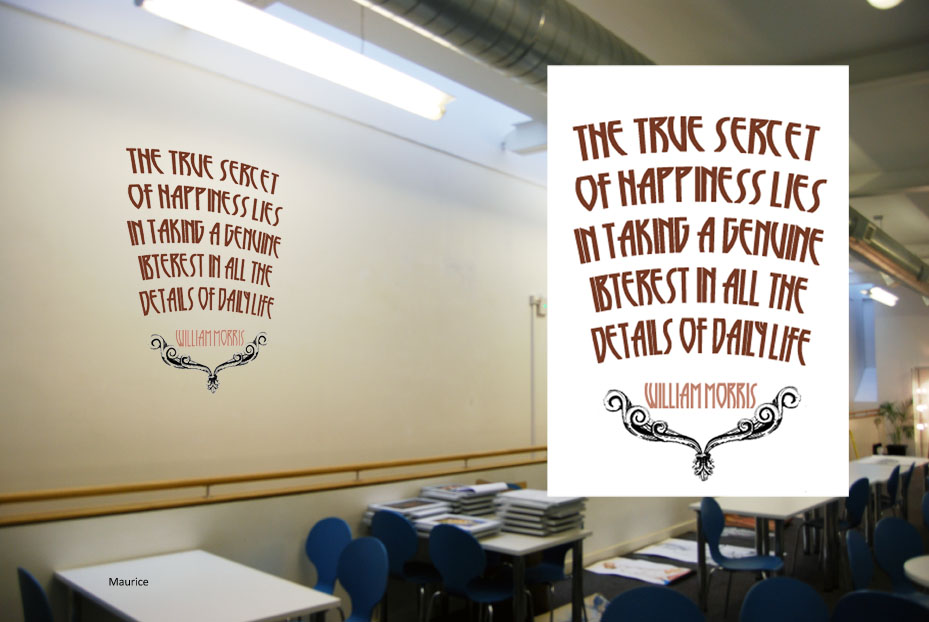
Corridor vinyl texts: Maurice Mitchell, Asha Gonzales and Tina Meehan

Asha 2 Asha 1

Asha 3

‘A little thought and a little kindness are often worth more than a great deal of money’ -John Ruskin

‘Have nothing in your house that you do not know to be useful or believe to be beautiful’ -William Morris.

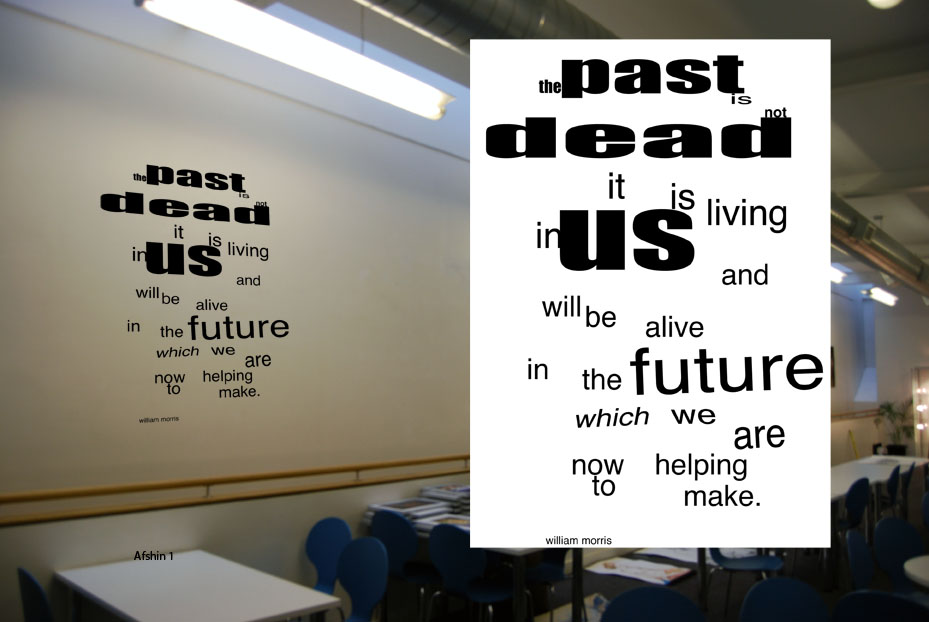
Afshin 1

Fin Tina Afshin 2

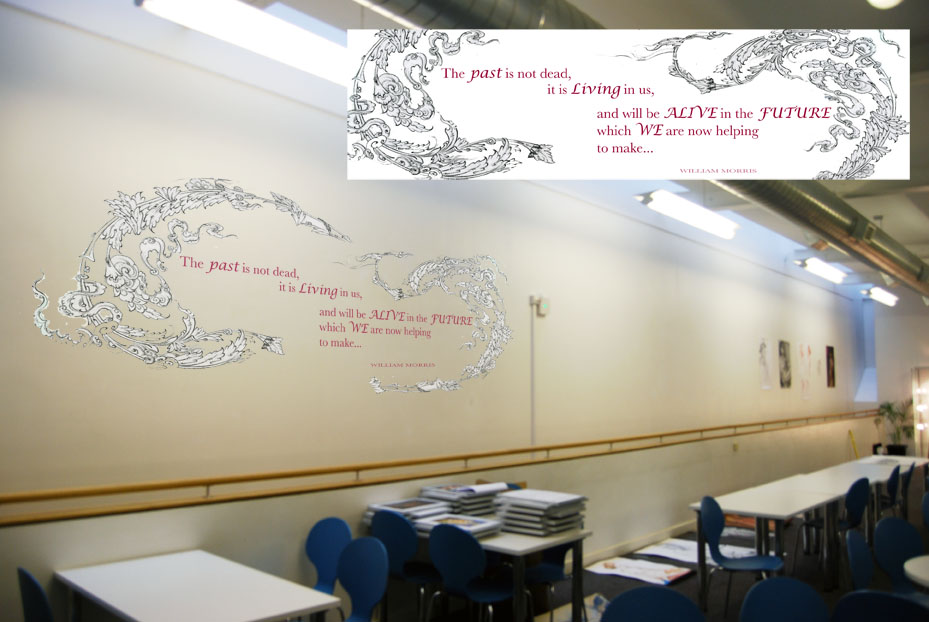
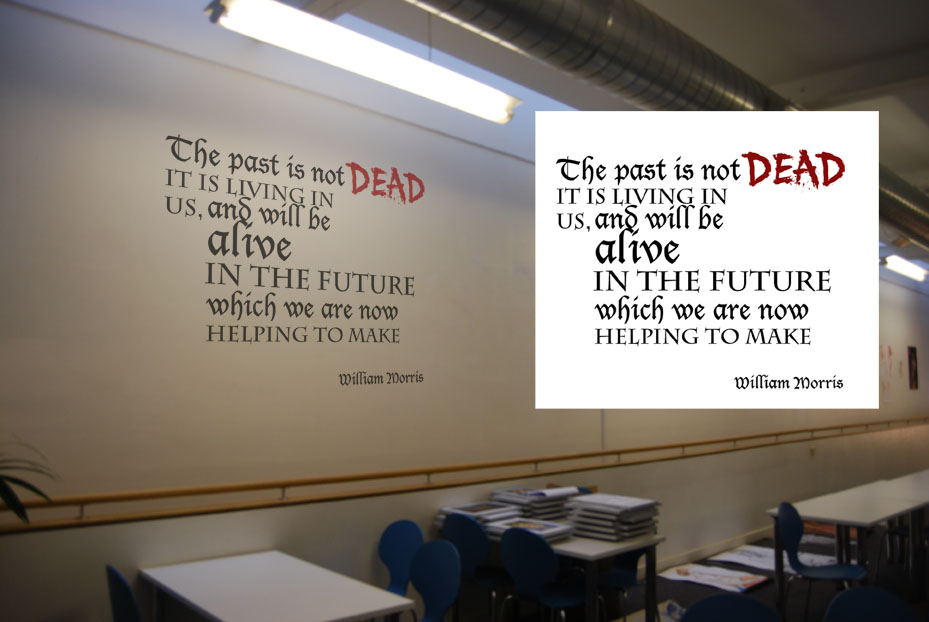
‘The past is not dead. It is living in us and we will be alive in the future, which we are helping to make’ -William Morris.

Corridor & Galllery posters, journals & photographs: Working Mens College Archive

Gallery Cabinet: polystyrene cups, Maurice Mitchell; wood blocks, Asumpter Amber

Iris

‘Fine art is that in which the hand, the head, and the heart of man go together’ –William Morris

Gallery Vitrine: Ceramic tiles, Kiloran Benn O’Leary
and
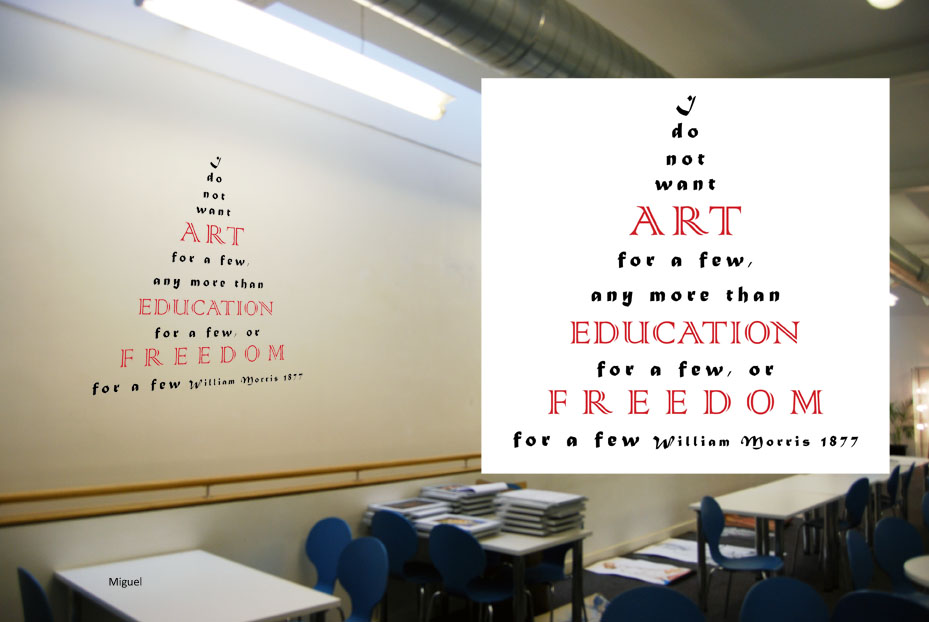
Large triangle gallery text: Miquel Angel Alorcea
Both read

Miguel
‘I do not want art for a few any more than education for a few, or freedom for a few’ William Morris.

Maurice

Working Men’s College is pleased to present the work of artists from Art Foundation, reinterpreting ideas of founding fathers of the College, John Ruskin and William Morris. Using drawing, graphics, hand painted ceramic tiles, vinyl lettering, polystyrene cups, and wood printing blocks, to bring history to life. These commissioned installations decorate the ground floor corridor running through the heart of the college, alongside archive posters dating from 1854-1960’s, advertising adult education courses in vocational skills and art and design, along with hobby clubs, public lectures on politics of the day, and music, literature and theatre performances. The historic, early modern graphics and printmaking, alongside contemporary vinyl texts of 2013, complement each other and the architectural features of the building, including: high ceilinged corridors, rounded windows, and internal squared glass panels, embodying early modernist values, of simplicity and style for purpose.

Archive-Heath-hat art lady2 Archive-Heath and beryl B  1

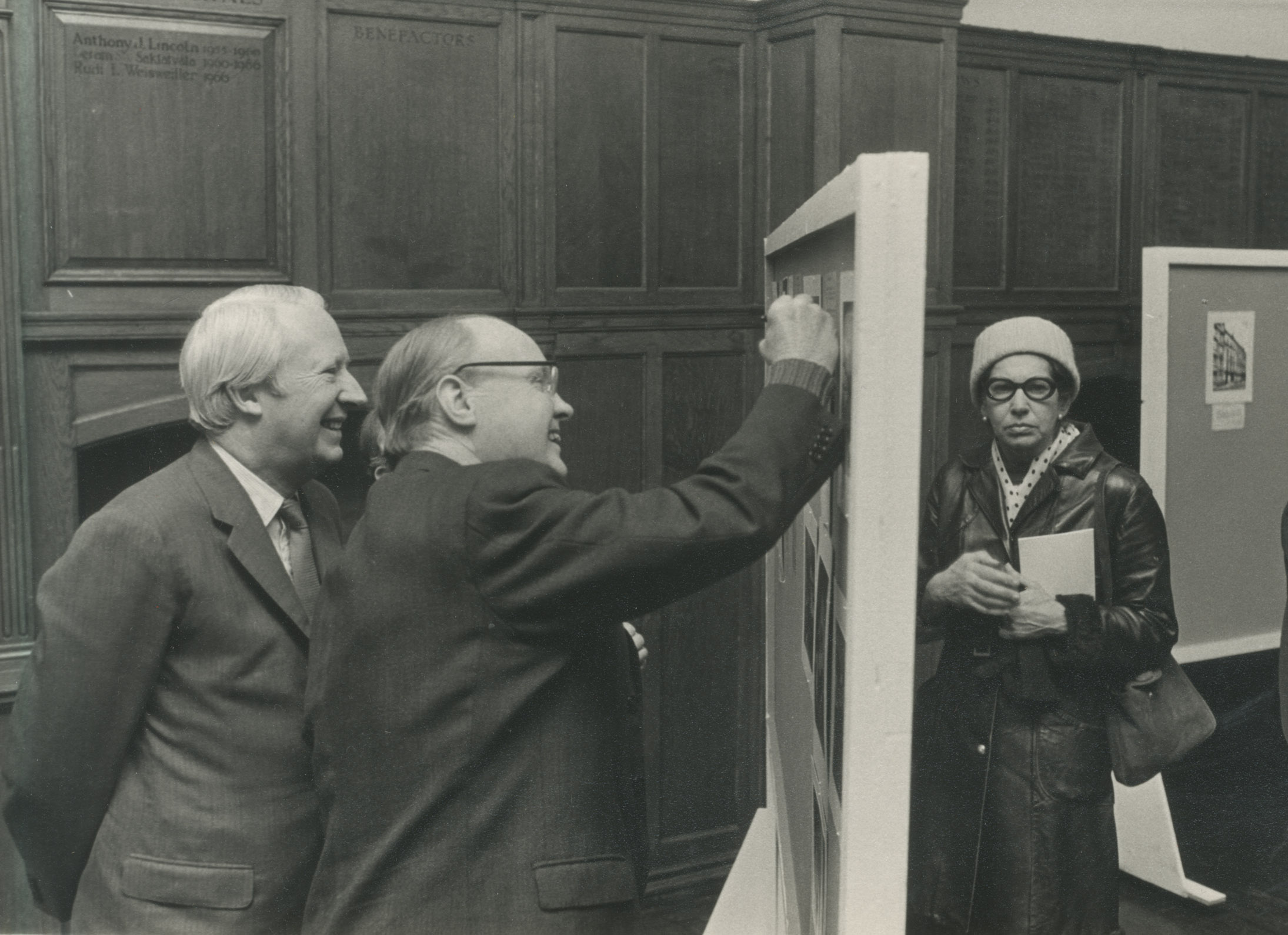
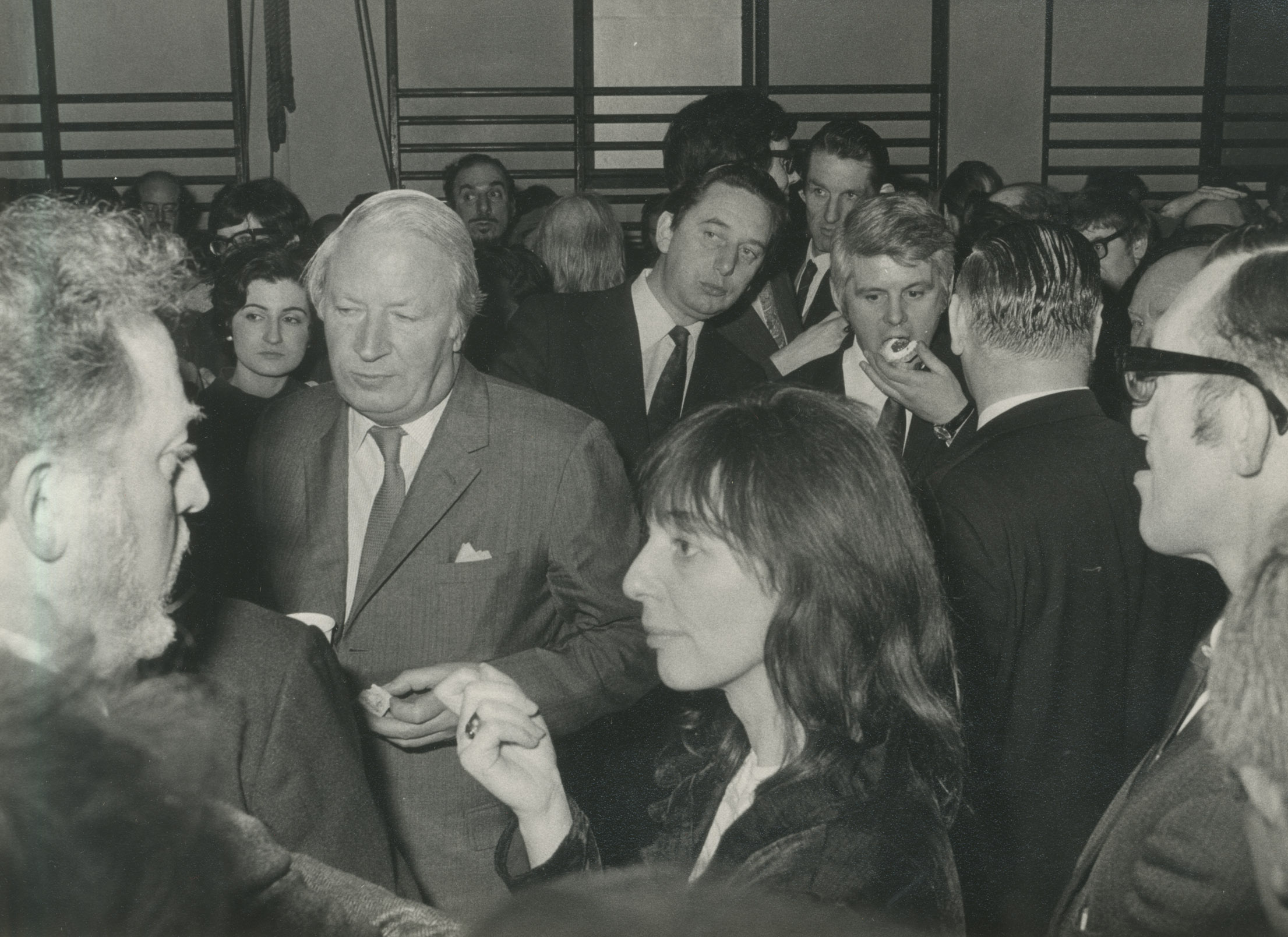
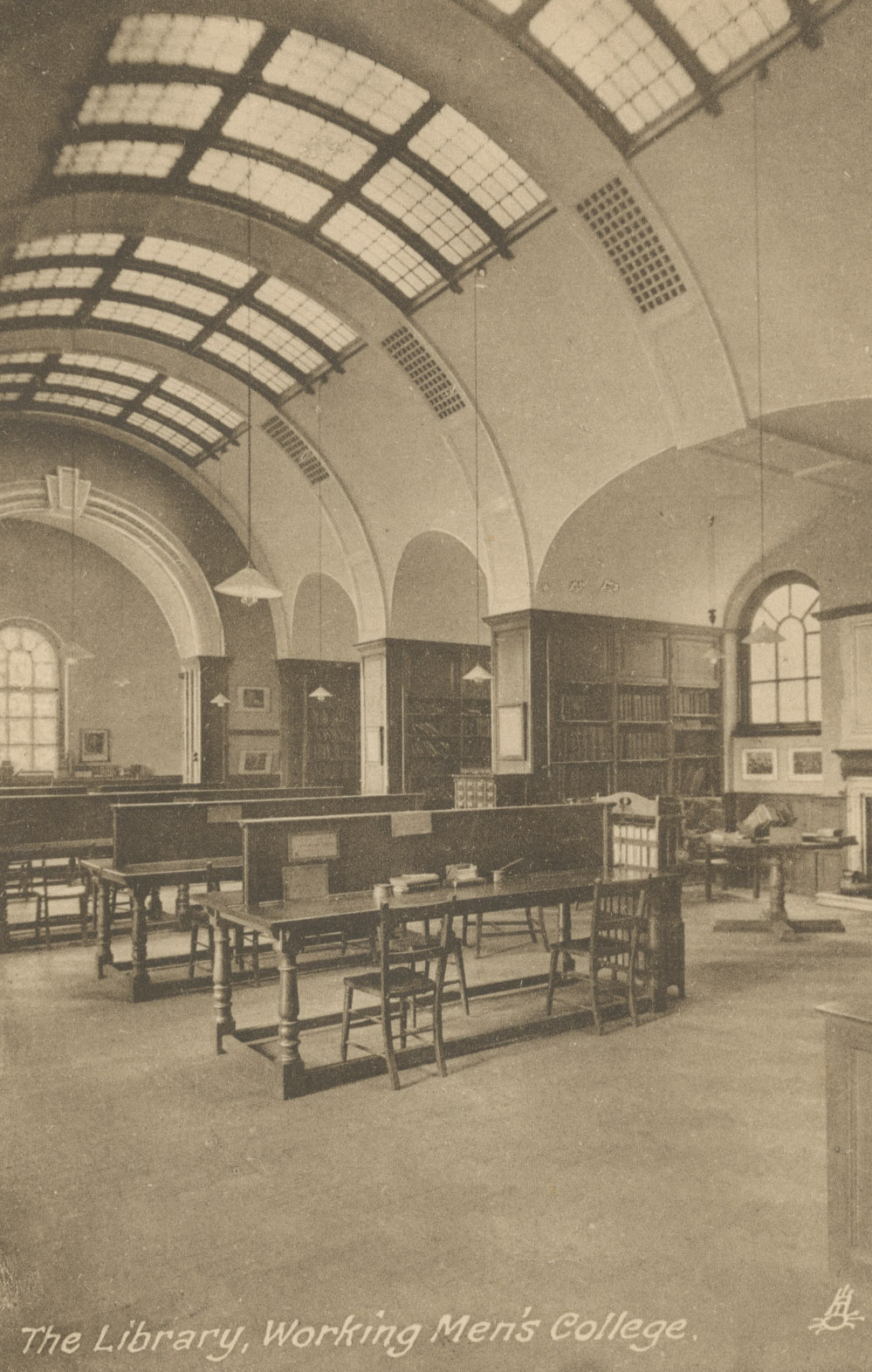
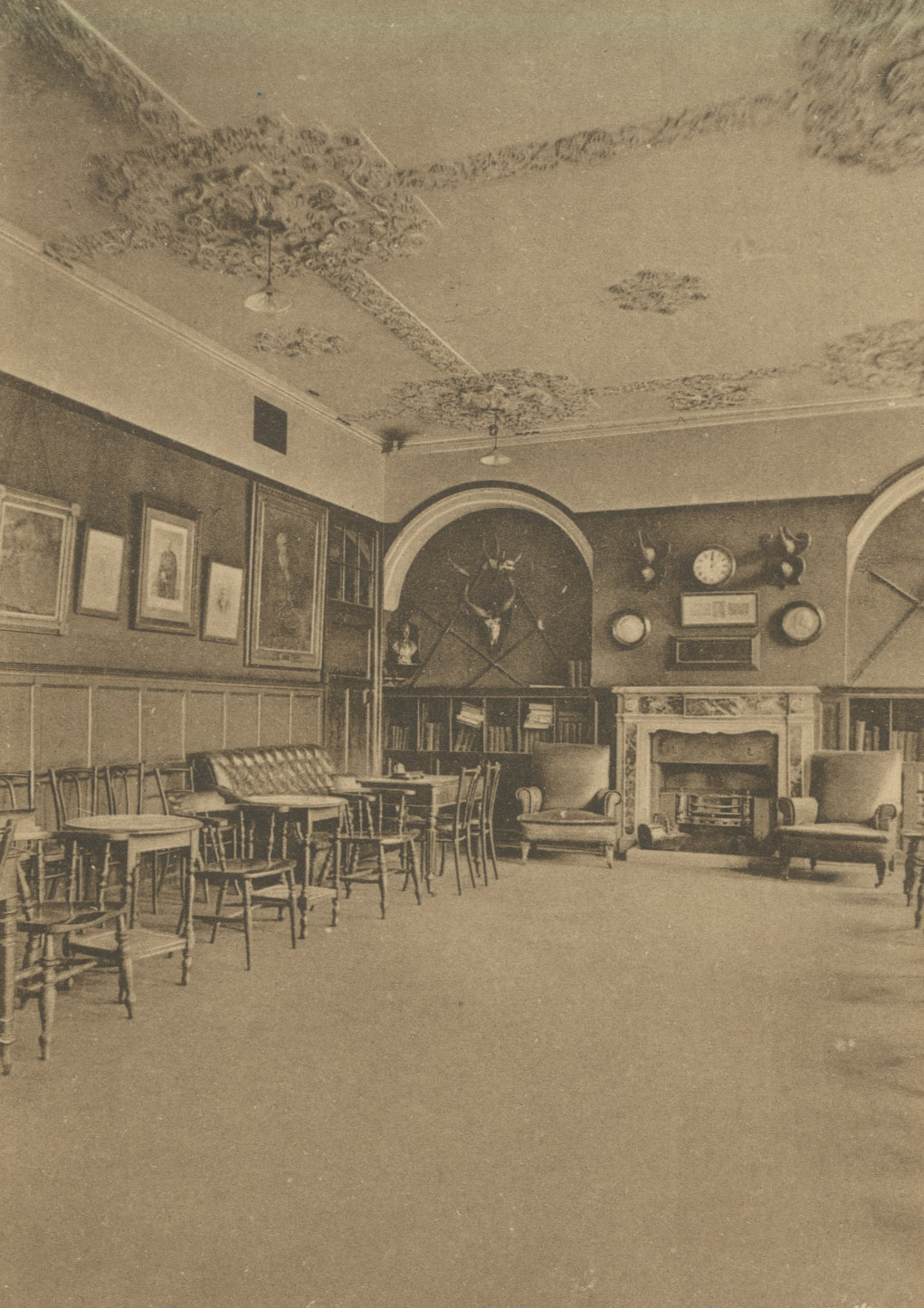
Work continues next door in the Ruskin Gallery, along with archive photography showing activities and personalities of the college from 1850’s to 1970’s, including founders, governors, teachers, clubs, students, art classes, halls, studios and library, complete with intact architectural features and furniture. Queen Elizabeth and Edward Heath also feature as visitors to the college, along with protesters outside college and students in art class, sporting mini skirts and male long hair. The photographs are scanned from a very small selection of archive, the larger part now being housed at London Metropolitan University. There is also a selection of banners, contextualising and giving historical, information, which were produced, by a scholar from Cambridge University

archive queen 1

Part of the archive material, shows a pamphlet from the Francis Martin College, founded in 1874 to continue the original mission of the Working Women’s College when the latter opted to become co-educational. It was renamed Frances Martin College after her death in 1922 and merged with the Working Men’s College in 1966. It was radical and reforming, as it was committed to the skills training of young single women.
There is much that was radical in the establishing the Working Men’s College, which informs what it is today. A backdrop of the Industrial revolution with the emergence of a printing press, photography, travel, a public sphere of newspapers and coffee houses, a new industrialist middle class, documented by Habermas, and women campaigning for the right to own property, have the vote and an education.

archive postcard room 6

The architecture and archive of the college, tell the story of revolutionary and Avant-garde thinking of the Philanthropists, Pre-Raphaelites and Christian socialists, but central to Working Men’s College was the unique relationship of teaching and learning. As well as teaching subjects, that would empower and emancipate a working person to move freely in society and work, there were: group excursions, theatre productions, music recitals, slide shows, furnivalls and class teas, where teachers and founders of college, got to know each other. Teachers would invite students to their homes or keep their office open, to welcome students and encourage the idea of membership and fraternity. WMC also recognised the crucial importance of the arts in politics and life, to promote equality and well-being. These principles are upheld still at WMC today.

archive postcard room 1

To explore educating women and men for 150 years and International Women’s Day, the gallery has two paste tables, asking for students, staff and visitors knowledge of history and prominent women at Working Men’s College. Women and less formal characters are often left out of written and officially recorded history, so this history might be with people who use and know the college, live locally or passed on in oral, spoken histories.

This exhibition does not intend to give an accurate, complete or representative view of Working Men’s College archive and history, but rather seeks to utilise and remind us of the value of history and values of the college which are remarkable, very relevant and more important than ever today. As William Morris said:

The past is not dead. It is living in us and we will be alive in the future, which we are helping to make.

garden party 54

Contact curator at estherw@wmcollege.ac.uk or leave a note in her pigeon hole, (ask reception where), if you want to leave contact details or have longer information or stories about Working Men’s College history and Women at Working Men’s College.

Foundation Diploma Art and Design Students – PLAY

PLAY

WMC Foundation Diploma Art and Design Students
Supported by the Mayor of London’s Office AND Camden Town Unlimited

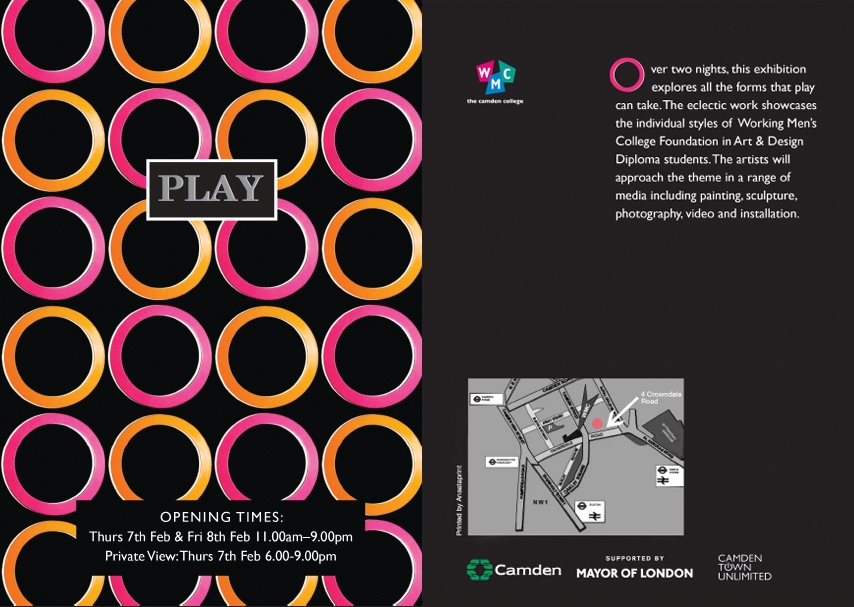
PLAY Flyer

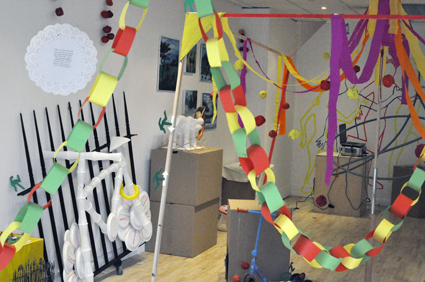
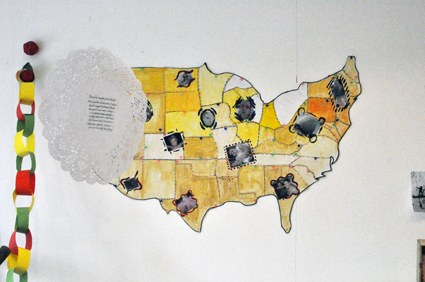
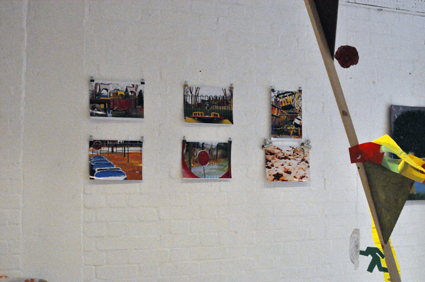
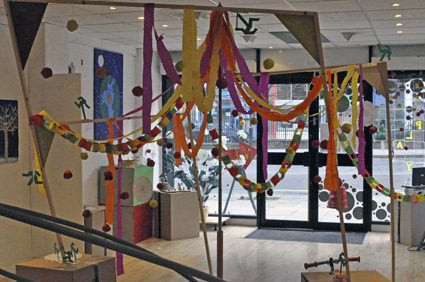
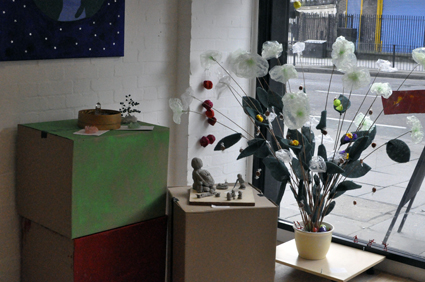
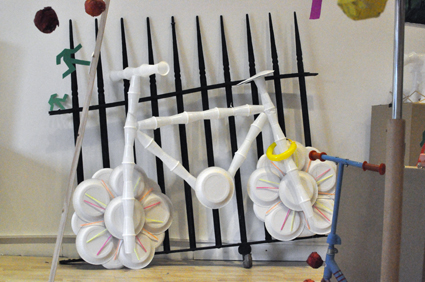
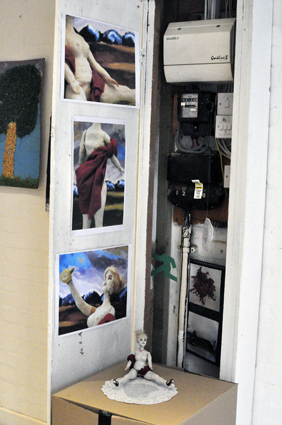
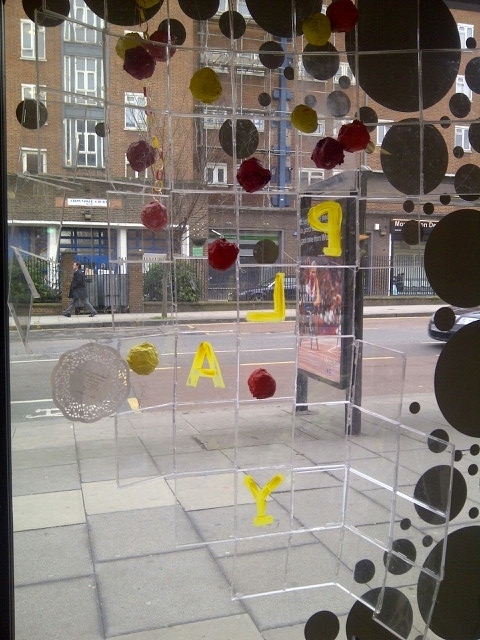
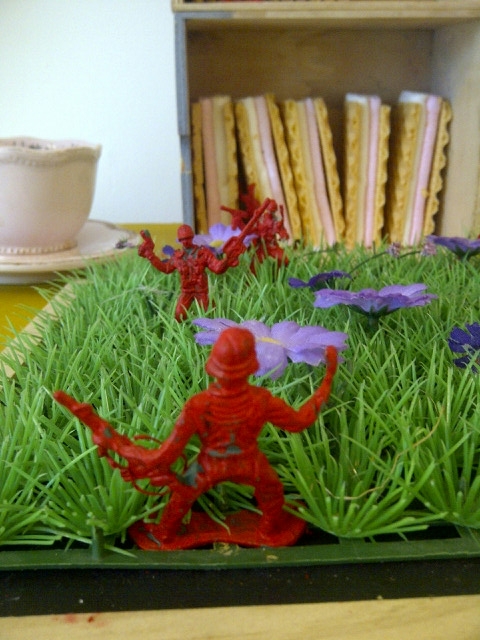
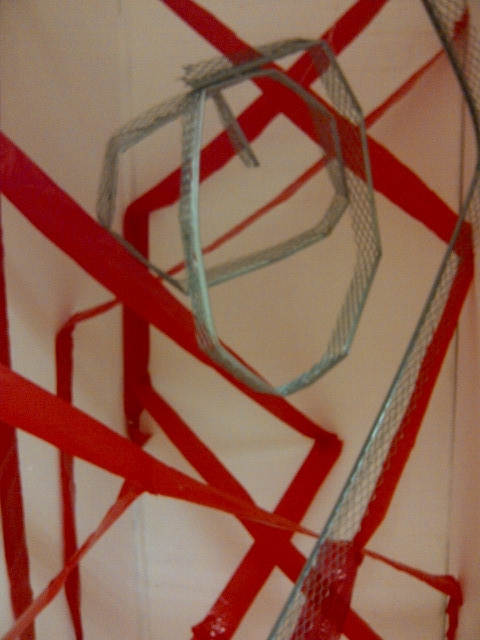
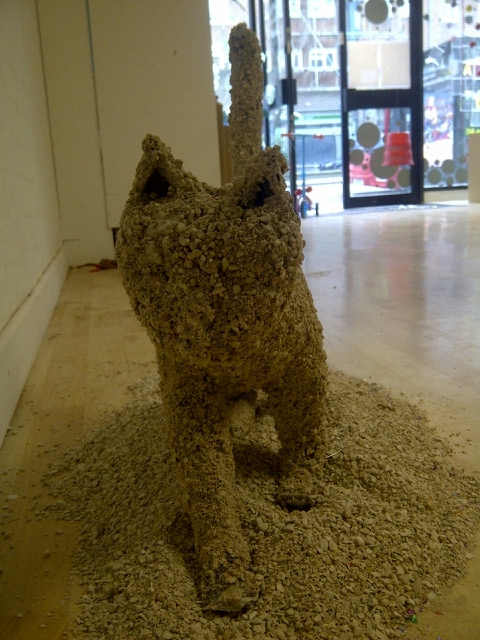
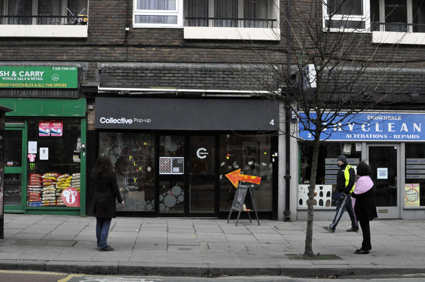
With the support of the Mayor of London’s office and Camden Town Unlimited, Fine Art students Djelal Ispanedi, Anna Mahoney, Anne Murray, Pam Tierney, Helen O’Donoghue, Onur Yildirim, Kengo Wa Tama, Paige Phillips, Josie Ayers, Sarah Faulkner, Siobhan Beaton and Primož Klanjšček  on the Art and Design Foundation Diploma were presented with the opportunity to put on a two day event in an empty retail space next door to the college. Working within their chosen theme of ‘play’, their interactive exhibition of painting, video, sculpture, photography and installation explored the many forms that play can take. Not content with showcasing their work within a conventional white cube gallery space, the students produced a site specific backdrop full of colour, commentary and humour.

_DSC0004 _DSC0016

_DSC0019 _DSC0022

_DSC0023 _DSC0027

_DSC0032 _DSC0036

_DSC0037_DSC0042

 Camden-20130208-00177 Camden-20130208-00184

Camden-20130208-00188 Camden-20130208-00193 Camden-20130208-00198

_DSC0010

Foundation Degree interim Show

Fine Art and Design Professional Practice

Interim Exhibition

11th  January- 16th February 2013

Open Monday – Friday 9.30am-8.30pm

Saturday 9.30am-3.30pm (term time only)

Artists:

Coreen Bernard, Melissa Caplan, Alexandro Carboni, Felicity Field, Lucia Fletcher, Orla Flood, Clifford Gabb, Jane Musgrove,
Maggie Pettigrew, Bekki Perriman, Rita P Smith.

Working Men’s College, Ruskin Gallery are proud to present the work of students on Fine Art Foundation Degree in their second year.  Inversions, absences, shadows, repetitions, domestic life and an inside out way of looking, are all conjured in this thoughtful and carefully realised collection of works.
005 bands11
Bekki Perriman

Experiments in Everyday transformations 4 Weapons of Mass Distraction
 Orla Flood 
Exif_JPEG_PICTURE
Jane Musgrove

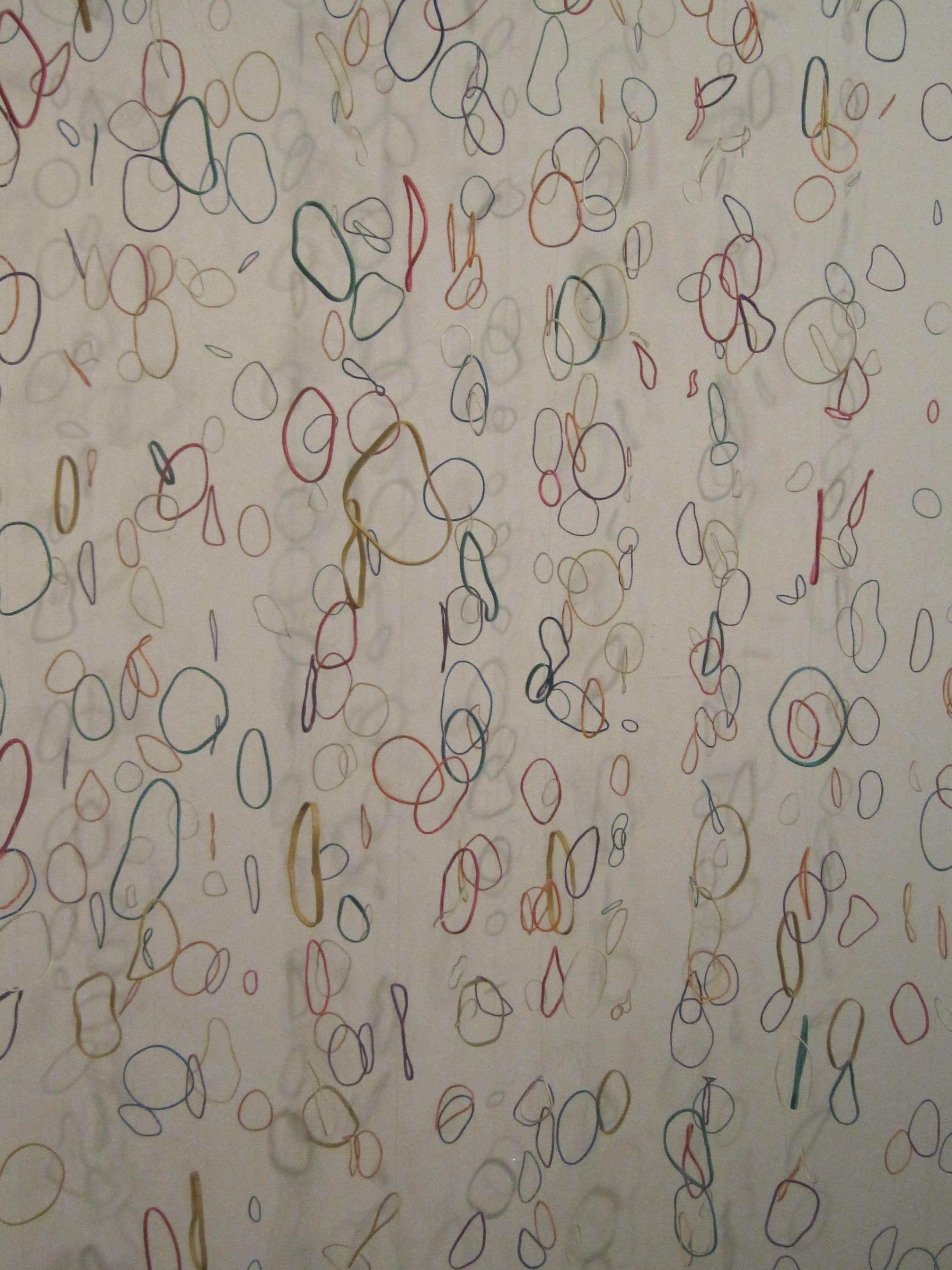
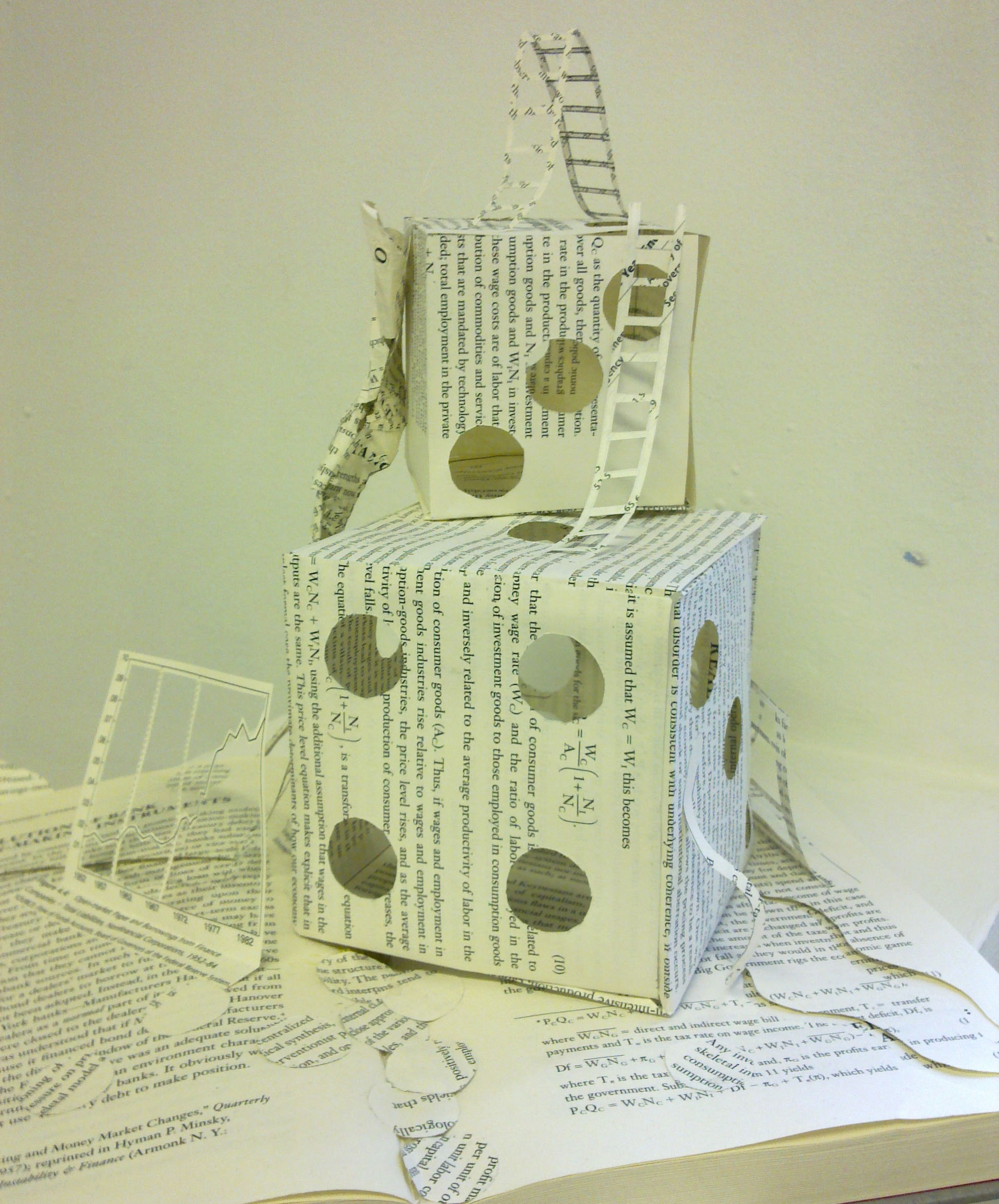
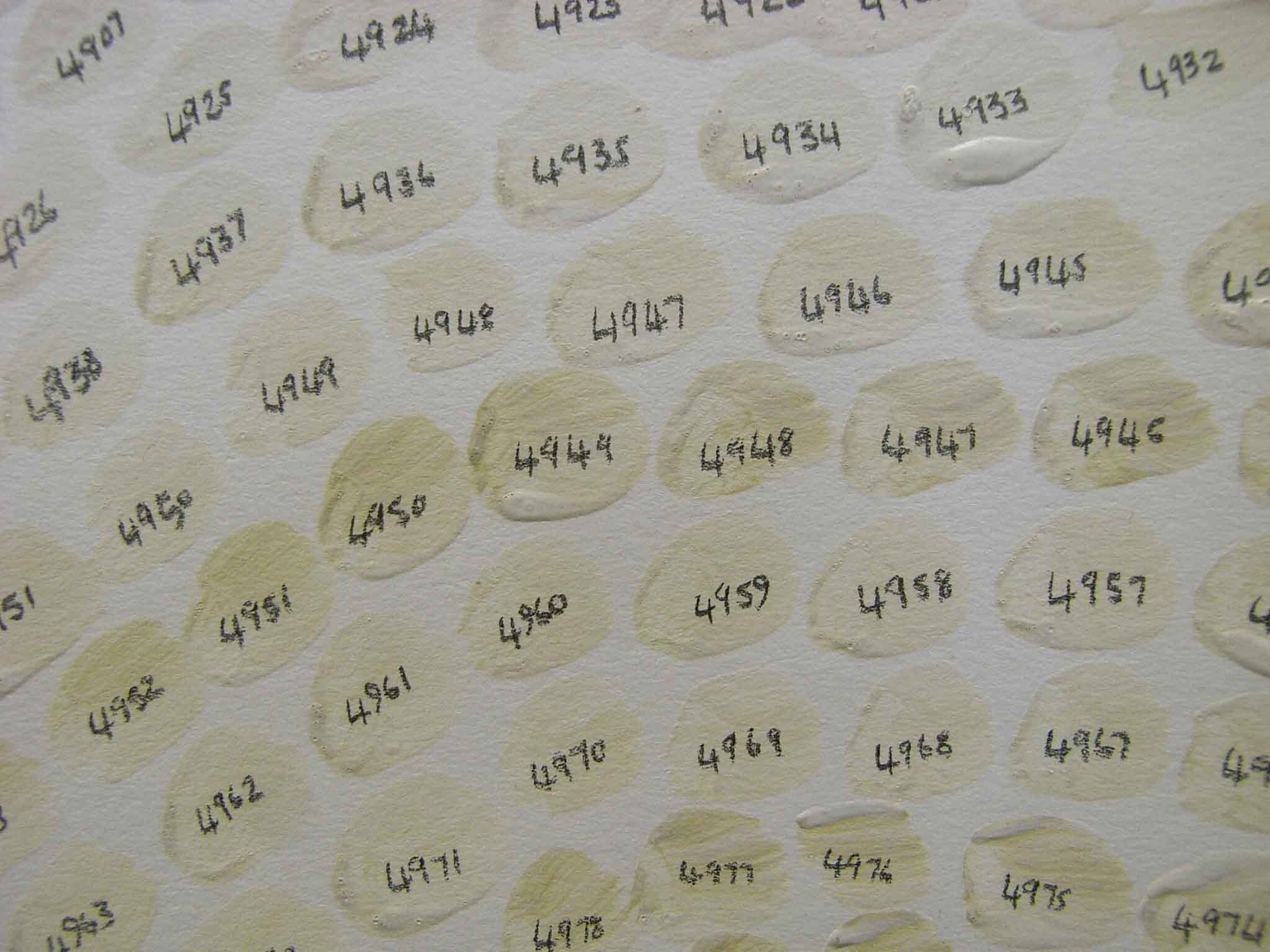
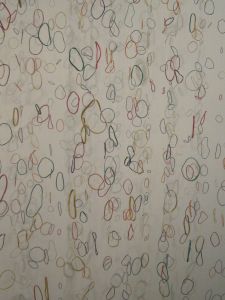
Bekki Perriman’s Curtains of multi coloured elastic bands make a drawing in space, a little forest of raindrops beside a house of cream and green kitchen sponges from Alessandro Carboni, set against a landscape pencil drawing, documenting in little bubbles, the days in dates, the artist, Jane Musgrove, has lived. Intricate paper cuts, into books of socio political texts construct sculptural forms that sprawl out of the spines and pages, over a plinth and glass cabinet shelves, from Orla Flood, recalling Micheal Landy’s infamous installation critiquing consumer capitalism.  While white inflated, surgical gloves, cascade from an adjacent wall, like menacing hands or doves of white plastic, in Melissa Caplan’s sculptural painting.
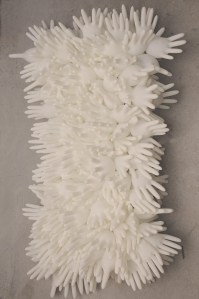
 melissa caplan

Melissa Caplan

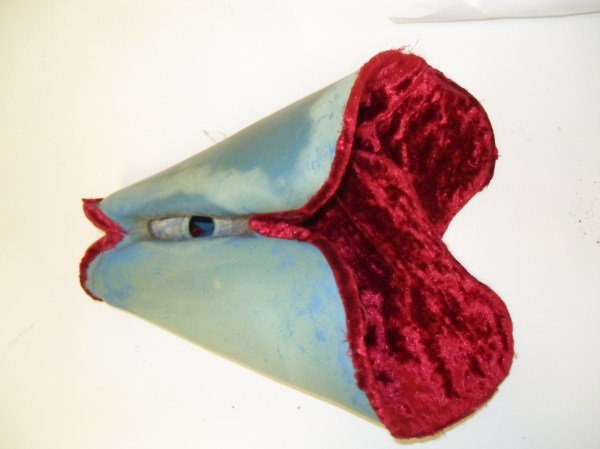
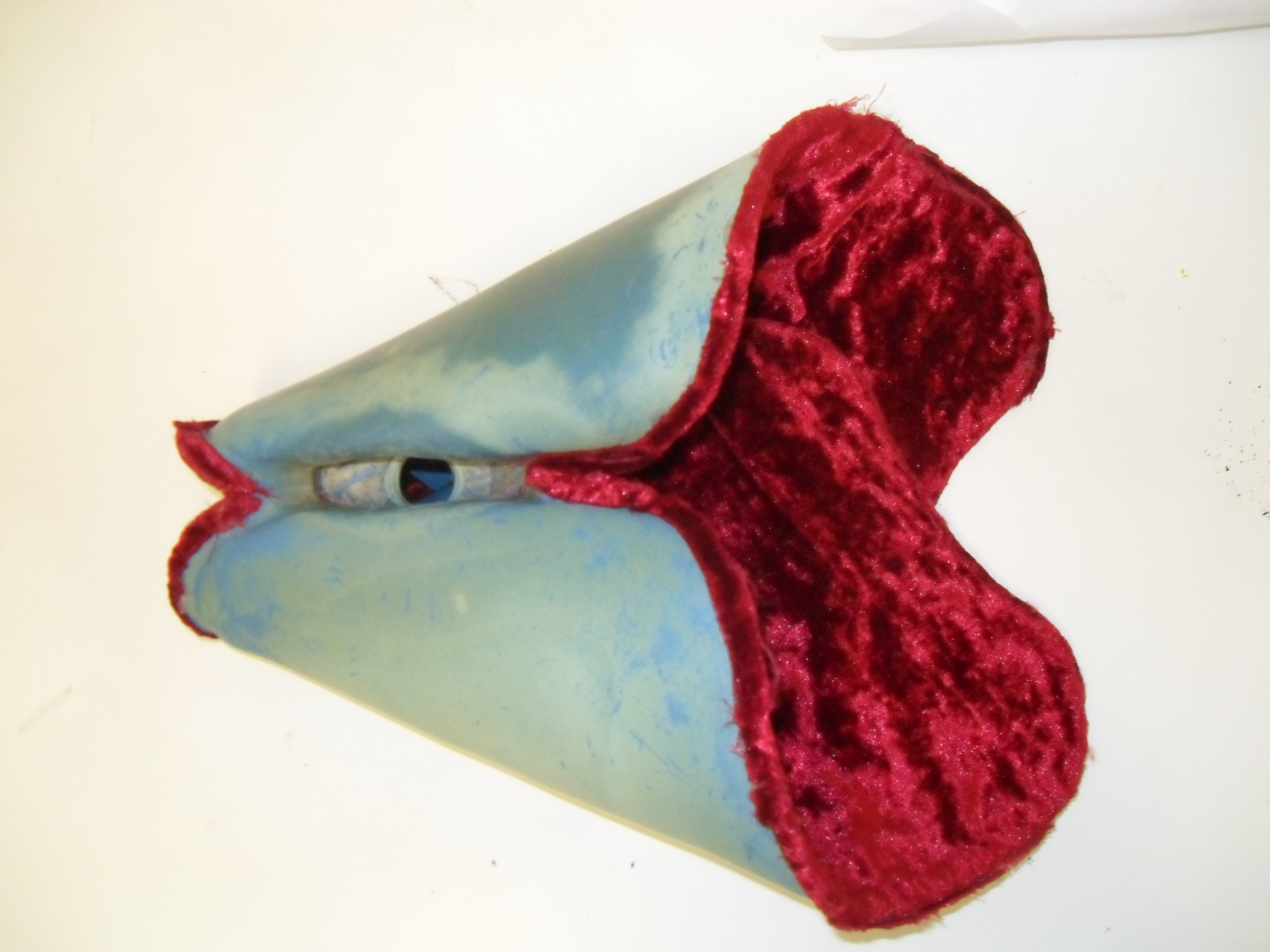
Nearby a cabinet of apparent archaeological, extracted natural material, made by Clifford Gabb, charts layers of time and a rust support says decay is vital and essential to this. Felicity Field’s inside out hot water bottle with red velvet and hanging bicycle wheel, over the stairs, echo the gestures of inverting and exposing to see better what lies beneath, inside and forgotten.
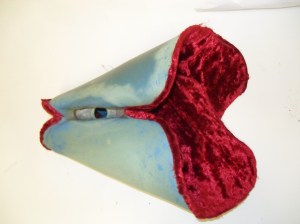
Flicity Field

Felicity Field

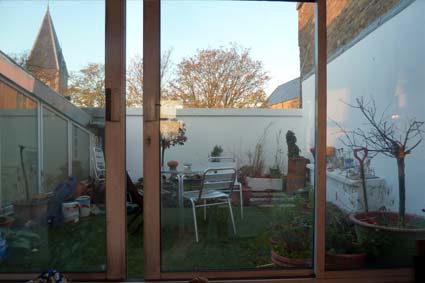
Amongst the wall based grids of screen and photo work are Rita Smiths daily documentation of an identical vista in melancholy November, from the window of a soon to be departed and ‘downsized’, family home. The light changes over the days, speaking quietly of the layers of memory and passing of time. Immortalizing a moment and slowing down time. A protest against forgetting, This is a theme in several of the works here, but Jane speaks of poignantly, describing her own work:

I thought about the passing of time, our subjective view of our lives, and how we can feel that we are merely existing when we fail to appreciate and value ourselves.  I began with a calculation of how many days I have lived 18.781 back in August 2012.  I decided to make a mark for every day to represent an inhabitation of time.  My aim was to reach the present but I felt I would not achieve this number of marks on the paper.  I did, and there are marks left over which will be filled.  Of course there cannot be an end, until I have lived my final day, so this work could go on and on although this piece will appear finished….This work has taken over four months to complete, working an hour or two at a time and being completely absorbed.  During this time, I have felt completely focused and alive, living my days and working with a connection and meaning that I do not normally experience.  Time working on this has been much more than an existence; I am much more than I think I am and perhaps we can all relate to this in some way or other.
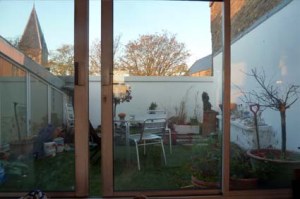
Rita Smith

Rita Smith

Coreen Bernard’s Obama faces overlaid with swastikas are reminiscent of Warhol‘s photo silk screen prints and chart a moment in history and politics, in a repetitious fashion, that reminds us that history, like art, does repeat itself, even if it looks different. She says: this piece reflects and queries the current political headlines of President Obama’s re-election in the USA. It highlights the radicalism of racial ideologies that have existed and still exist in the US; the apparent opposition to change that has been brought about with the election of America’s first ever African-American president, and the cultural collisions that have coincided with this.

Lucia fletcher’s graphic forms depict and reproduce movement and space in a carefully choreographed set of images, where a typesetting-like application, plays back a word as an uninterrupted dance sequence, where the dancer’s body temporarily makes positions recognizable as letters. Maggie Pettigrew’s installations, of family members, and another of conversations on the street, documents and records bereavement in a shrine and in the other draws attention to language as witness to being. Both make reference to sculptural space but also a personal, participant observer’s view on life outside, around her and in her own history.

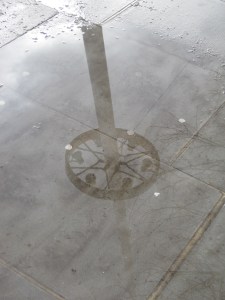
This experience of echos of internal states in shared spaces is something Bekki relates in her work, Reflections – Ten days on the street. (Not shown here but in a previous show and which I think may be a, precursor to her elastic band piece):

Puddles interest me as a reflection of another upside down world and the beauty in the mirrored images that is so easy to walk past.  I spent a day re-tracing the steps of the time I slept rough on the streets of Central London and photographed puddles in some of the places I used to sleep.  I was thinking about the transitory nature of homelessness, how invisible you can feel and that while most people are sleeping inside their homes you are out on the streets, yet the next day there is barely a trace of your existence and no one really knows you have slept there.  I chose ten places as a picture of ten days on the streets.  These are all real places I used to sleep and each of these places holds memories for me. I wanted to use the puddle photographs as way of capturing a moment in time, making permanent something that will be dried up and invisible after a few hours of sunshine.  I turned the puddle photographs into postcards.  At first glance they could be read as a paradoxical take on postcards of popular tourist destinations in London and the fact it is always raining.  When you turn them over I have written “Where I slept last night” a simple statement to make people think about homelessness.  

Bekki’s elastic bands like raindrops would be absorbed by Alessandro’s sponge house, and in these works, whether something stands where there was nothing, or real becomes a story, all the artists here explore the process of signification.  The ability and desire we all have to transform experience and things to mean something and communicate for us.

This course is led by Pernille Holm Mercer. She says: I have dedicated a large part of my professional life to teaching art and design in Higher and Adult Education. The interrelation between academic research and studio practice has been a central and constant concern. I have a joint BA Honours degree from Goldsmiths College in Art and Art History, a theory-based MA in Visual Culture from Middlesex University as well as a practice-based MA in Printmaking from Wimbledon School of Art. Finally, I have a Ph.D. in Fine Art from Goldsmiths College.  My academic research has covered feminist theory, British object-relations, and French philosophical discourse in relation to contemporary art. My practice-based work engages with notions of play, process, and intersubjective relations. I use a variety of media, including drawing, printmaking, photography, ‘sculptural’ objects, and video.

The Art and Design Professional Practice Foundation degree is validated by Middlesex University. You can graduate after two years with an FdA and go into the work place, or apply to top up your FdA to BA Hons at this University or on other degree course nationally.

Esther Windsor. WMC Curator
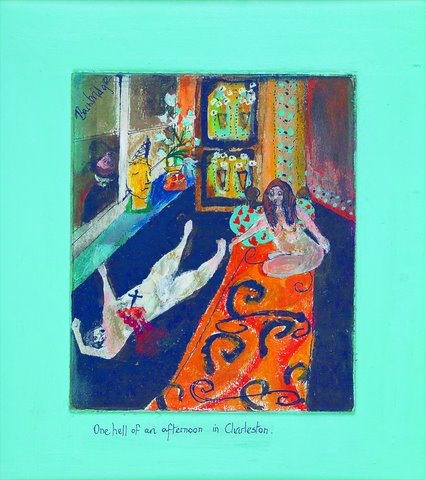
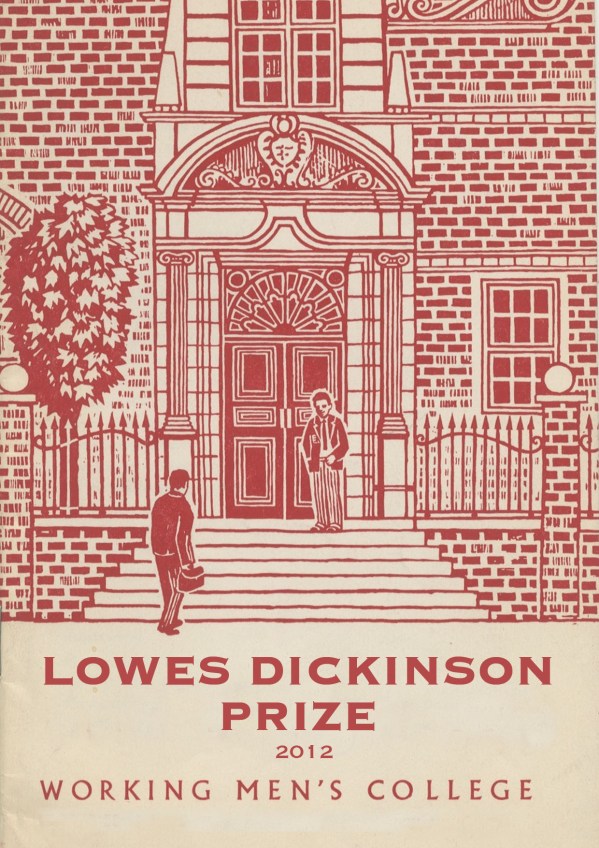
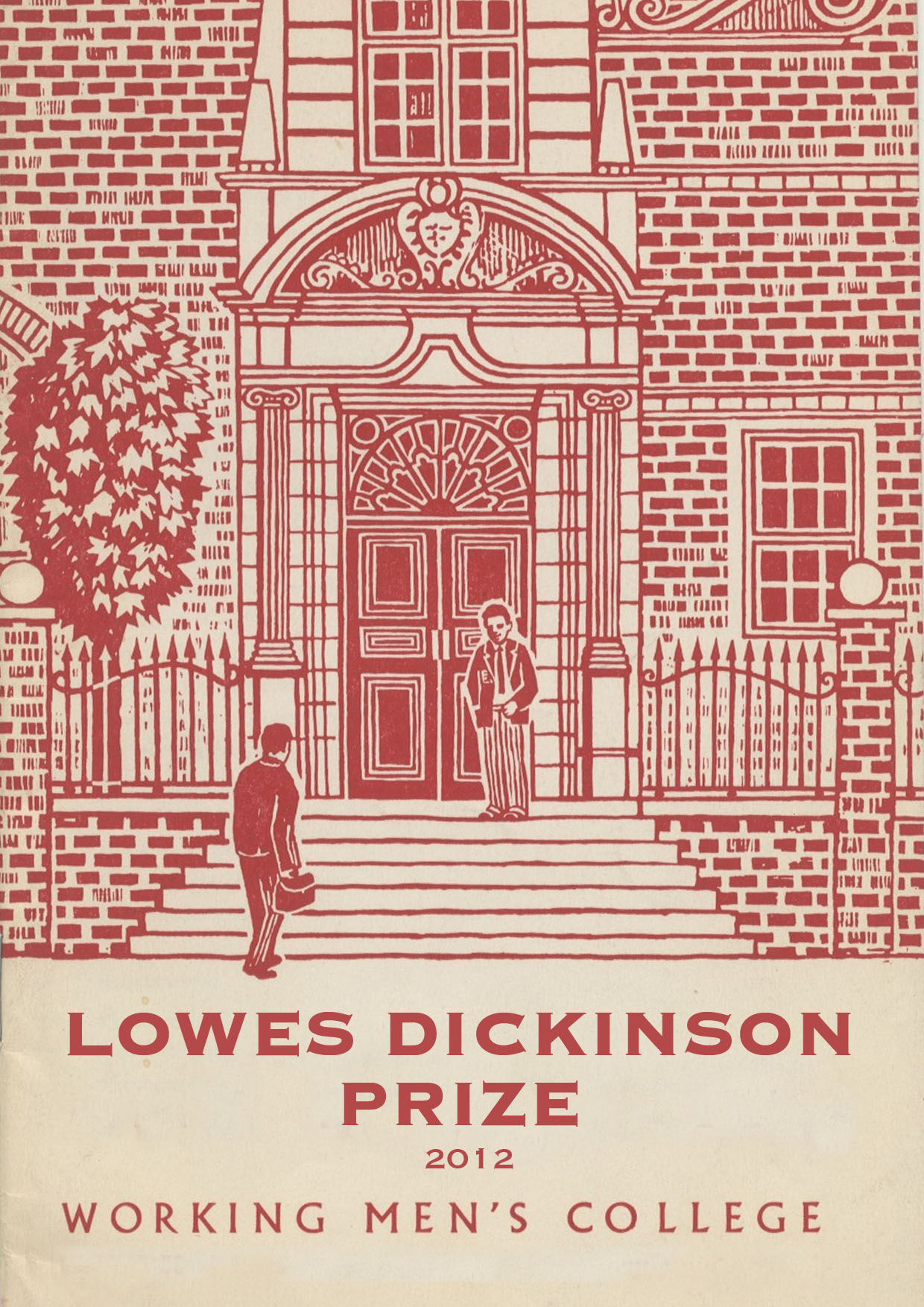
Lowes Dickinson Prize 2012

Lowes Dickenson

Prize 2012

Exhibition

22 November – 14 December 2012

 LDP NEW cover copy

Artists and writers:

Josie Ayres, Michael Baker, Beate Bechtold, Elizabeth Bordass, Amanda Cannon, Melissa Caplan, Fionnuala Condell Dominic Delargy Clifford Gabb Alfonso Jimenez Primoz Klanjsek

Scarlett Mannish, Marlene Martinez, Carl Nolan, Matthew Parker Bekki Perriman Andrea Popa Konstantinos Primerakis

The working men’s college is pleased to present the work of writers and artists taking part in this years Lowes Dickinson Award. The Working Men’s College offers an annual £1000 pound Art prize for its students called the Lowes Dickinson Award. His children also established a travel award for students in his memory.
Lowes Cato Dickinson (27 November 1819 – 15 December 1908) was a portrait painter and Christian socialist. He taught drawing with Ruskin and Rossetti. And was a founder of the Working Men’s College in London.  He corresponded and worked with the central participants of the Pre-Raphaelite Brotherhood,[6] lecturing with both Dante Gabriel Rossetti and John Ruskin.[1] With other Christian Socialists, Dickinson founded the Working Men’s College, London, in 1854,[7] a college to provide a liberal education for artisans. He was an enthusiastic follower of the Christian socialist movement, and painted other Christian Socialists including Charles Kingsley,[8] Thomas Hughes, John Malcolm Forbes Ludlow, John Westlake, Frederick James Furnivall, Richard Buckley Litchfield, John Llewelyn Davies, and the movement’s founder, F.D.Maurice[7]
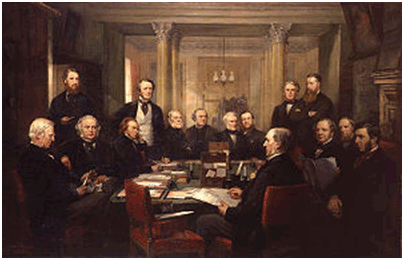
Other subjects for portraits included Queen Victoria, the Prime Minister and his cabinet, George Eliot. His papers are at Princeton,[1] Oxford and Cambridge Universities.  Dickinson has numerous paintings in the National Portrait Gallery in London, including his group painting of Gladstone‘s 1868 cabinet pictured in the cabinet room of 10 Downing Street.[4]

Gladstone's Cabinet - Lowes Dickinson

Gladstone’s Cabinet of 1868, painted by Lowes Cato Dickinson.

List of works

Clockwise from Lowes Dickenson wall sign

Visual art works

Wall and floor

Clifford Gabb

Clifford Gabb
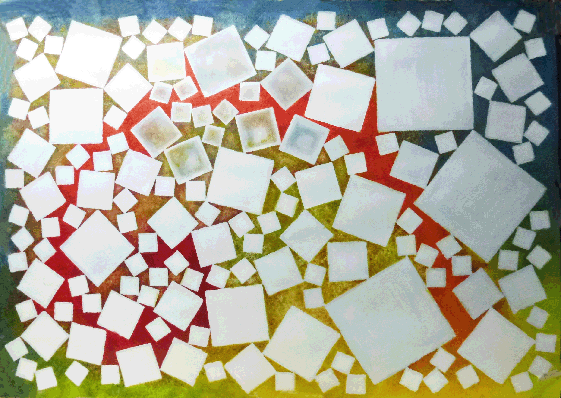
Spiral
In Progress
Acrylic on Paper
1000 x 705mm
Foundation Degree Art and Design Professional Practice

Amanda Cannon

Amanda Cannon
Punk meets Pre-Raphaelite beauty, old Victoriana meets the new via digital process 2011/12
Albimin photographic print using c4 processing
Approx. 60 x 45cm
Fashion design

Celine Samson
Who do we think we are 2012
4 x prints
80 x 50 cm
Foundation Degree Art and Design Professional Practice

Bekki Perriman
Puddles 2012
3 x Digital colour photographic prints
approx 15 x 30 cm
Foundation Degree Art and Design Professional Practice

IMG-20121130-00162

Sandra Robinson
Untitled 2012
approx. 3 x 2 ‘
Installation of mixed media and ‘rubbish’ on plinth
Sculpture

Melissa Caplan
Giant Bra 2012
Mixed media, treated fabric, 3D hanging bra
Approx. 80 cm x 90 cm
Foundation Degree Art and Design Professional Practice

Alessandro Carboni
Plastic 2012
Melted plastic, glue and spray paint
1.7m x 60cm
Foundation Degree Art and Design Professional Practice

Melissa Caplan
traffic cone flower 2012
plastic traffic cone sculpture
approx. 40 x 20 cm
Foundation Degree Art and Design Professional Practice

In Cabinet

 Rosh Keegan
Bag for Life 2011
Ceramic figure
Approx. 30 x 10 cm
Fired clay, glazed with applied gold leaf and other media
ceramics

Marysia Kratimenos
There is no wealth like life (from John Ruskin) 2012
Aron the snow leopard
Framed Drawing on velour
Botanical drawing

Elizabeth Bordass
Tigers
Ceramic tigers x 2 fired and glazed
41 x  28 cm
and 15 x 10 cm
ceramics

Stories on white wall

Creative writing unless stated otherwise

Dominic Delargy
Species: Autographus Hunterus 2012
Matthew Parker
Looking at my Watch 2012

Andrea Popa
Seizing Opportunities 2012

Linda Winter
Thoughts on a beginning 2012

Marlene Martinez
Falling from grace 2012

Poems on brick wall

Creative Writing

Michael Baker
Walkies 2012

Fionnuala Condell
The journey 2012

Sara Reyes-Espinoza
I am Mother Earth 2012
Foundation Diploma Art and Design

 Alfonso Jimenez

 the traveller 2012

Primoz Klanjsek
Collision 2012
Foundation Diploma Art and Design

 Sebiha Macit

A Sleeper’s Vision 2012
Foundation Diploma Art and Design

 Carl Nolan
I am a fire place 2012

Performance

Not represented in exhibition but included in prize

Konstantinos Primerakis
Piano Performance

In small cabinets

Camden-20121119-00151

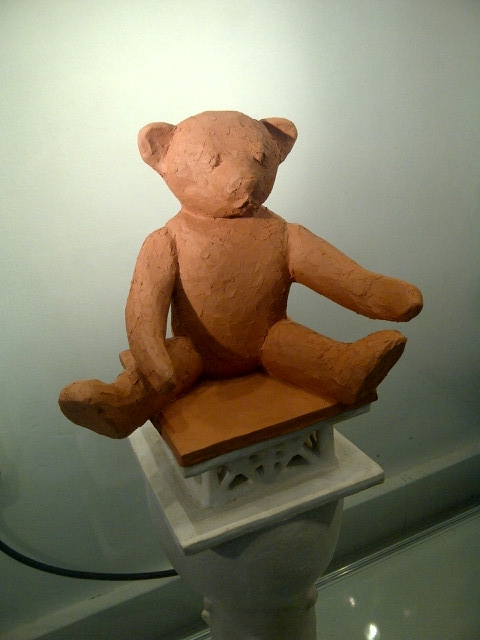
Beate Bechtold
Steiff bear 2011
Ceramic figure approx. 35 x 15 cm
Earthstone and terracotta, fired, glazed and unglazed

 Amanda Cannon
 Digitalised pin hole camera photograph 4 x 6”
Frame and cardboard box

 And

Rowan Arts catalogues documenting hackney life portraits

Life Drawing at the Working Men’s College

26th October- 16th November 2012

Open Monday – Friday 9.30-8.30pm

Saturday 9.30-3.30pm (term time only)

Artists:

 Wendy Arnot, Simon Clutton, Layne Comarasawmy, Sonia Copeland,
Hana Davies, Angela Devaney, Leela Flint, Shirley Dixon, Sandra Duffy,
Jim Foreman, Gerald Goldman, Allen Granditer, Francesca Hall,
Audrey Houtman, Marysia Kratimenos George Little, Gill Rathouse,
Christine Tambyrajah, Jo Target, Susan Webber

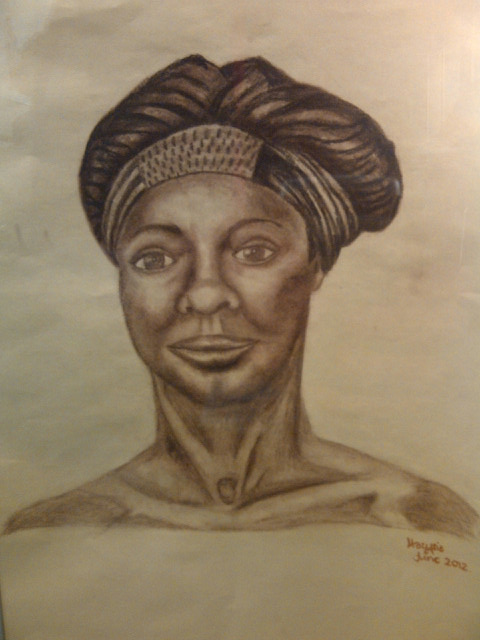
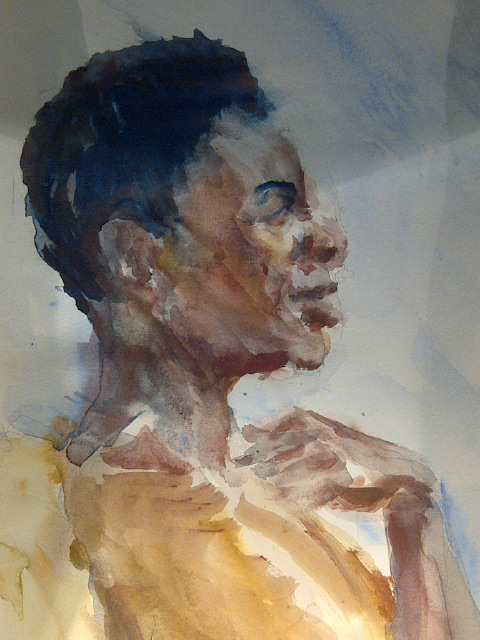
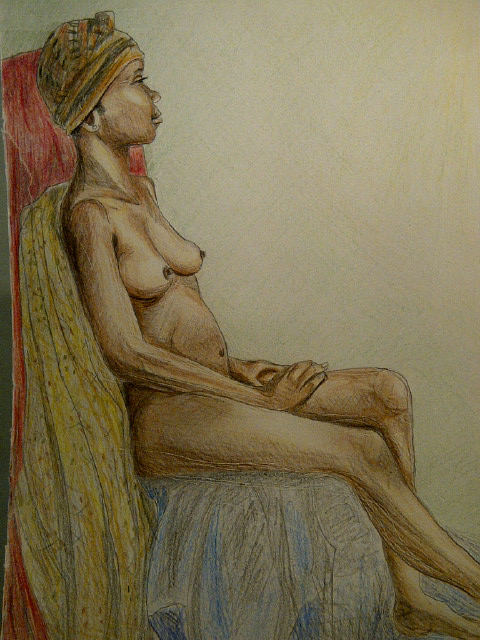
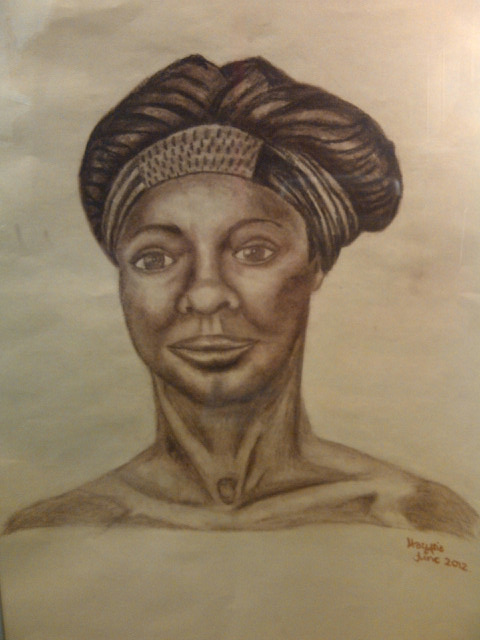
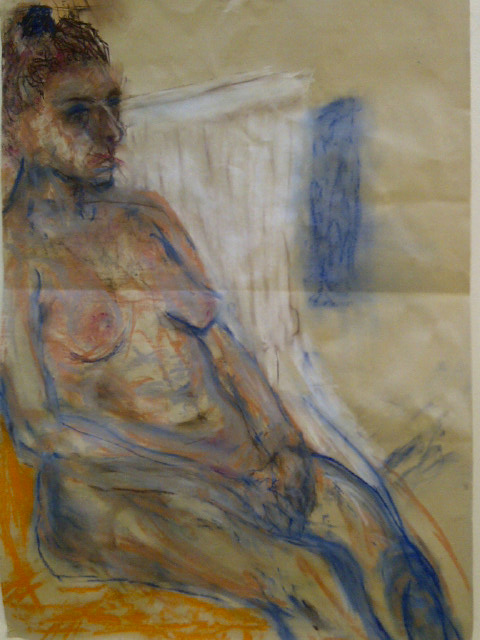
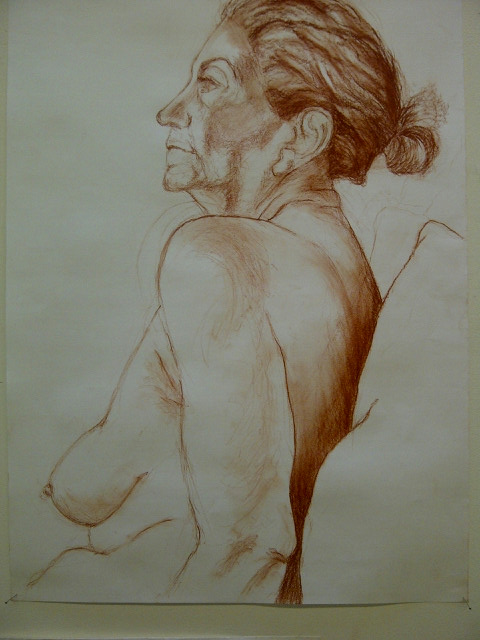
The Ruskin Gallery is pleased to present the work of students from the Life Drawing class at Working Men’s College, taught by Janet Unwin.

The classes draw nude and clothed models and portraiture plays a large part. Students work mostly on paper and use pencil, charcoal, paint, graphite, pastels, ink, oil and crayon.  Continual reference is made to art history allowing a wide perspective and engagement with ideas of representation of the human body.

Some students use work done in class, to develop further ideas on their own or using the work as subject matter for printmaking. Some work in studios or at home and some exhibit or sell their work. As a group they all value very much the opportunity to learn together, which the teaching, class and college offer. The course is open to all levels of ability and everyone enjoys taking on the considerable challenge, which this subject offers, involving a constant process of problem solving which is ultimately very rewarding.

Life drawing is a study of the human form in its various shapes and body postures, sitting, standing or sleeping. It is a study or stylized depiction of the human form, with the line and form of the human figure as the primary objective. It is a composed image of the drawn from an observation of a still, live model.  The human figure is one of the most enduring themes in the visual arts, and can be the basis of portraiture, cartooning and comic book illustration, sculpture, medical illustration, and many fine art fields. Representing the body has been practiced throughout history and sketching from life was an established practice in art school from the 13th century. Some art schools made life drawing a central discipline but before the late 19th century, women were generally not admitted to figure drawing classes.

Some of the work in this exhibition expresses sexuality or the complexity of gender or culture. Some artists offer a direct response to the complex world the human body signifies, human frailty and strength, a beauty in aging or the disconnectedness of human connectedness … the stuff of life or the notion of ‘spaces in-between’ everyday living.

If you like to enroll on a future Life Drawing class see http://enrol.wmcollege.ac.uk/lynx/CourseInfo.aspx?q=LEAFLET0912

Digital Photography at Working Men’s College

22 September – 5 October 2012

Open Monday – Friday 9.30-8.30pm

Saturday 9.30-3.30pm (term time only)

Artists:

Giampaolo Baldin, Niyazi Bayrak, Nadhira Benaissa, Alessandra Cinti, Flore Debray, Rob Devoy, Daniel Evans, Ana De Sousa Graca, Romana Kovarova, Suchisimita Majumdar, Emily Milnes, Danuta Nawrot, Daniel Nicola, Siobhan O’Hara, Sabrina Osborne, Seta Perez, Terry Rees, Jackson Rodriguez, Shane Samarasinghe, Camilla Scaramanga, Jeni Thompson

The Ruskin Gallery is pleased to present the work of students on Digital Photography classes of 2012, at The Working Men’s College.  Taught by Neil Waterson, a London based photographer, the majority of students began with little or no experience in photography. Over 10 weeks students developed visual skills and technical ability, to realize their projects. With no set brief, except to develop their own work and ways of seeing, students produce photography, using a wide variety of equipment and techniques. Neither technology nor finance determine the effectiveness of an image.

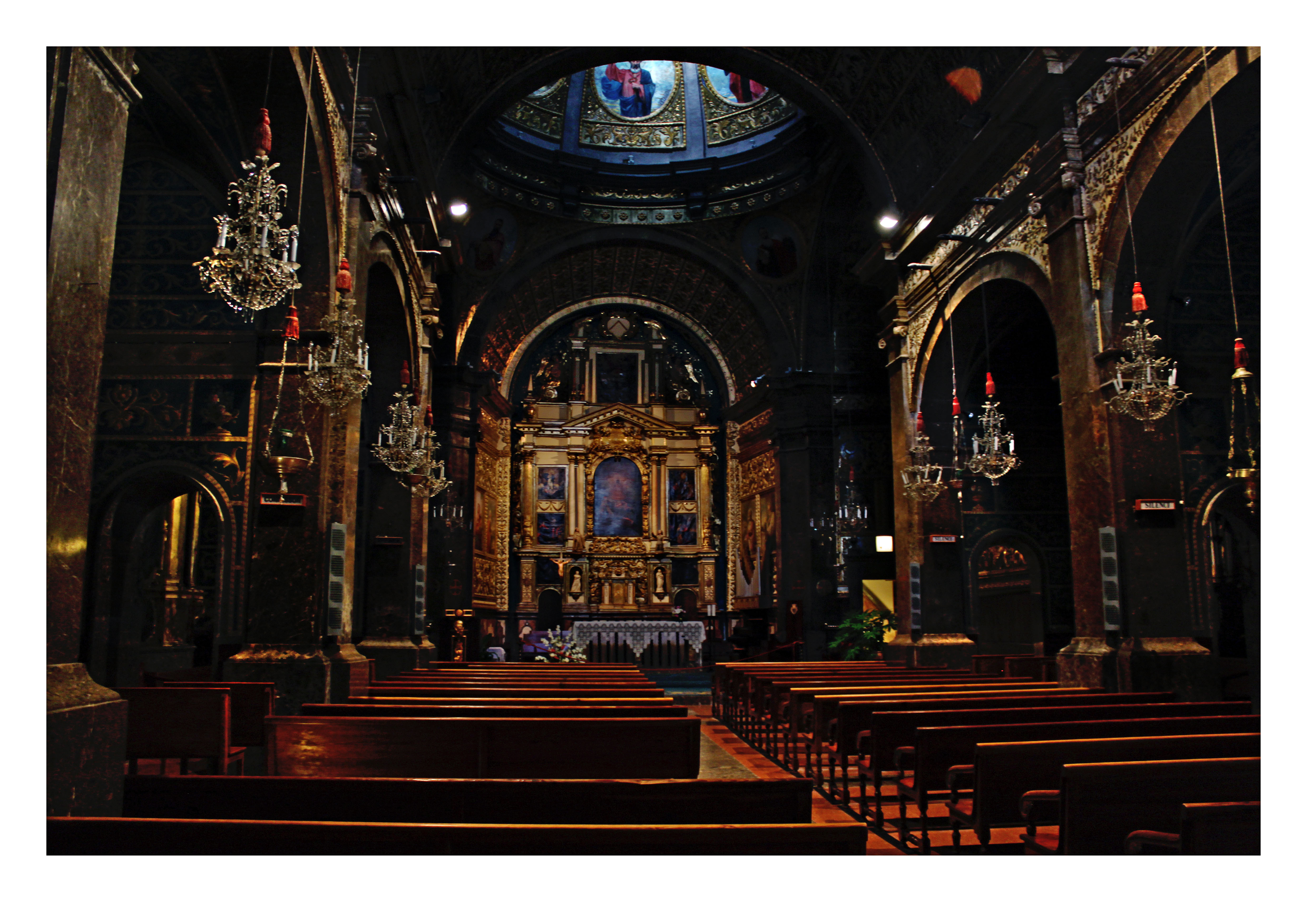
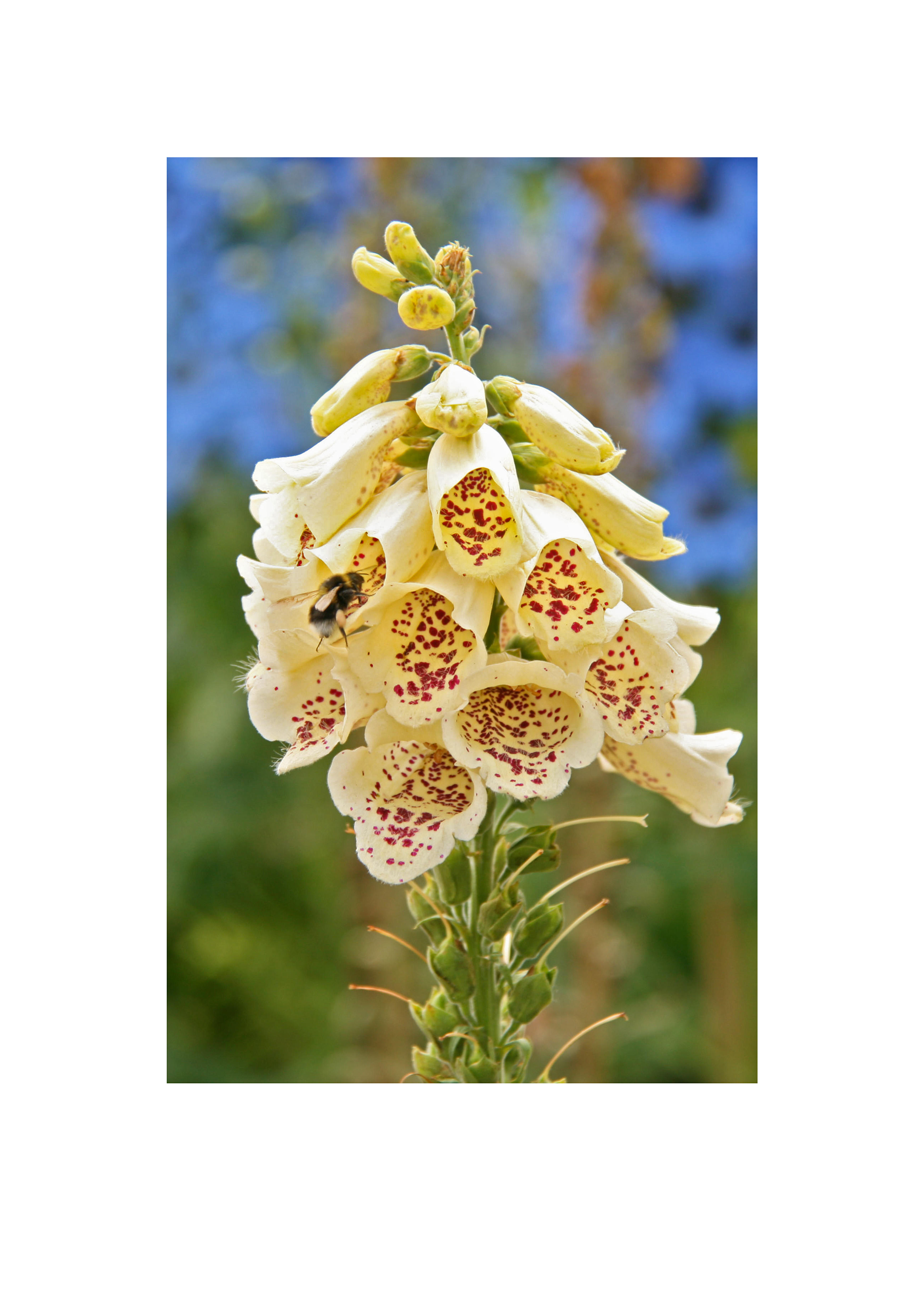
As a consequence, the images are a personal and individual reflection of each student. Several students have gone on to exhibit in national and local exhibitions and competitions. Others go on to access Art and Design courses at Working Men’s College, Art School, University or using their new skills within a professional or personal context. All have gained confidence in making photography and produced high standards of work. The photography here is informed by life in the city. From architectural forms, street observations and still life: including red freckled foxgloves; glowing church interiors and a pink plastic interior of a toddlers playroom.

Photography has been a force behind important shifts in art historical thinking and its discourse. Artists like Andy Warhol and Gerhard Richter were fundamental in changing the way we comprehend both painting and photography, blurring the boundaries that distinguish them and removing hallmarks of authorship. Artists associated with conceptualism and performance art, like Vito Acconci, Bernd and Hilla and Becher, expanded the formal criteria that defined photographs as art. Larry Clark, Nan Goldin and Richard Billingham’s, so called confessional photography, embraced subjects like trangressive sexuality, violence and family life. Artists like Cindy Sherman, as well as exploring feminist themes, pointed to the influence of film and psychoanalysis on photography. These changes also established that there were no formal precepts of photographic correctness.

 As course tutor, Neil Waterson has over 20 years experience in photography, including: portraits for actors, musicians and dancers; architectural and interior work for building, estate management and design clients; still-life, product and pack shot photography for editorial and advertising; designing and producing complete CD solutions for artists in the London Jazz Scene. His personal projects are an extension of his interest in painting and graphics in architectural forms. His client list includes: Sunday Express Magazine, Daily Express, Nexus (Japan) Ltd, Royal Caribbean Cruises, Lansdowne Euro, International, Thomson Publishing, Channel 4 Television and Central Television. The course outline can be seen at http://enrol.wmcollege.ac.uk/lynx/CourseInfo.aspx?q=LEAFLET0906

Contact estherw@workingmenscollege.ac.uk for more information.

Kyla Harris

Press Release
Kyla Harris
18 May – 17 June

In accordance with Diversity Day at WMC, Ruskin Gallery is pleased to announce the solo exhibition of Canadian artist Kyla Harris.  Largely influenced by her accident in her teenage years, much of her practice represents themes that directly relate to her experiences of disability.

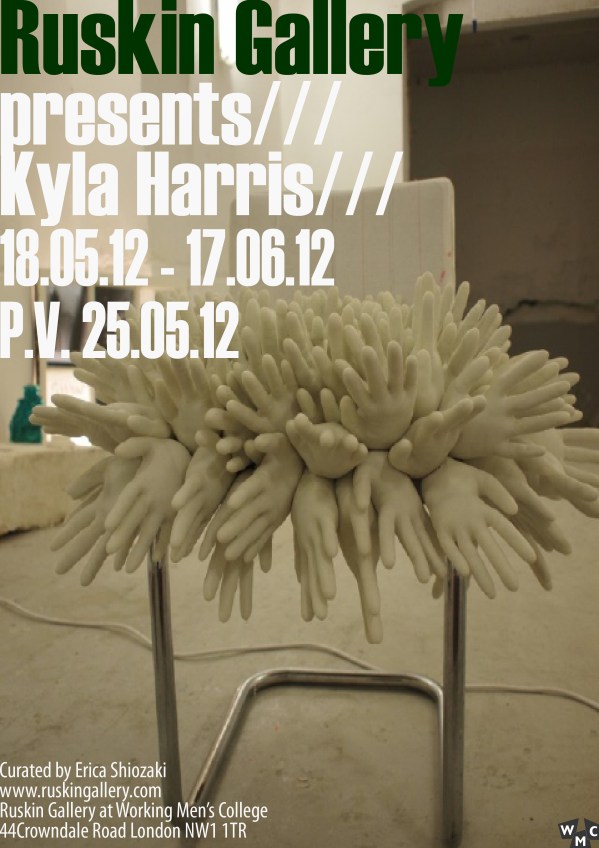
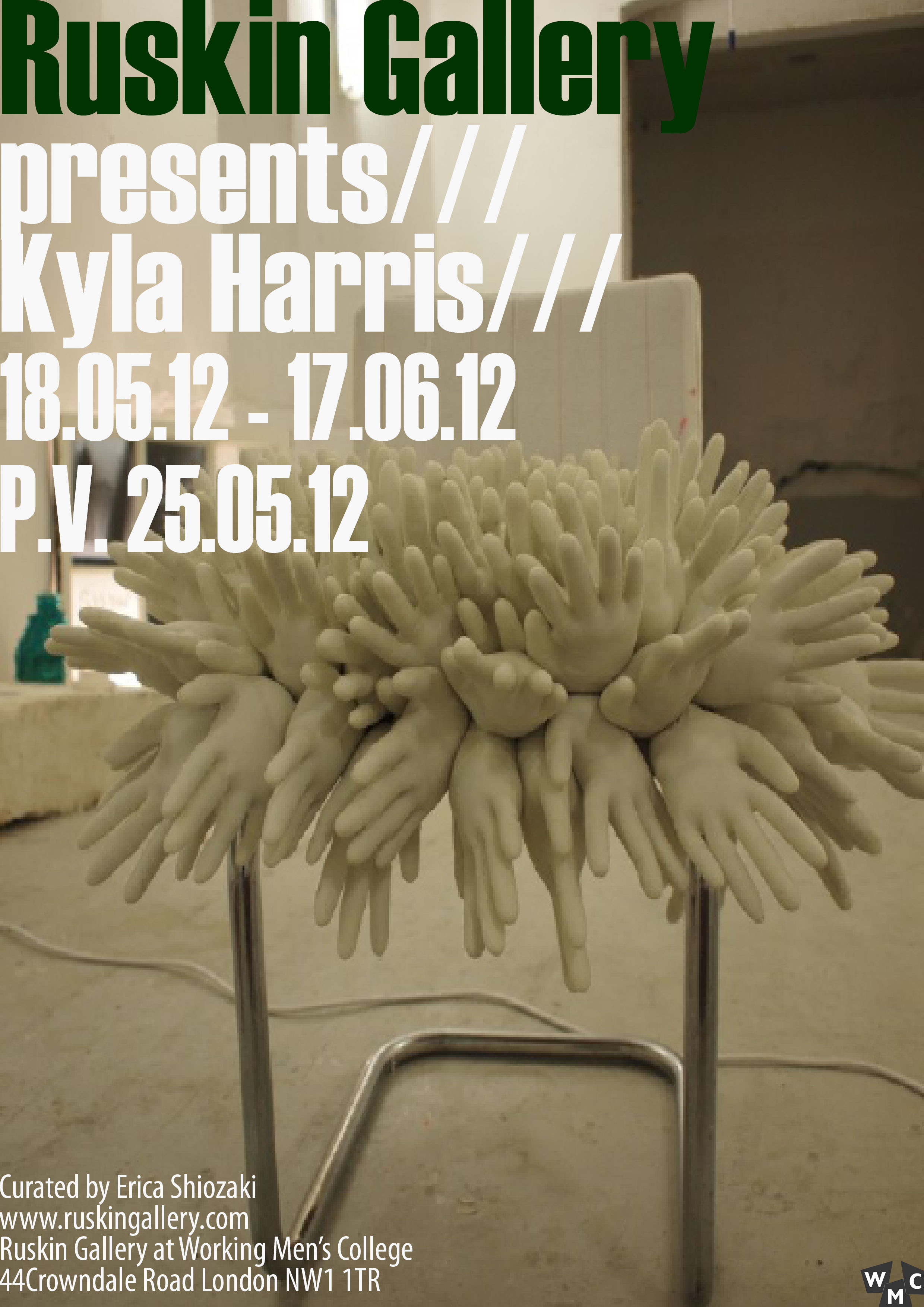
Instigated by her physical experience, the works here aim to discover and analyse physical and mental relationships a human body can have with diverse objects.  As a society we are conditioned to respond and think in a certain way when interacting with any object, but Harris questions what would happen if this expectation were completely disrupted.  Untitled (2012) has been covered with white surgical gloves, making it a dysfunctional chair.  With its original purpose lost, it is no longer a chair and instead stands as a mere object with steel frame and numerous white ‘hands’ protruding from its body.  An eerie and discomforting situation is created through the gloves, and as viewers we respond to this object in a new manner.

Harris’ current practice also has an intrinsic connection to her experience with NHS appointments, and through her use of medical equipments in sculptures and installations, she explores the transient relationship human beings have with the supplies.  The collected items within her artworks, which include oxygen masks, gloves, tubes and syringes, are all disposable, yet every element is fabricated and engineered with detail and precision.  Instead of disposing them, Harris reconstructed them into other objects, such as a chandelier (Untitled, 2012) made out of recycled and new catheters.  Through the process of collecting and assembling, Harris deconstructs the original meaning of the materials, to then add new definitions to their existence and propose a new way of interacting with them, both mentally and physically.

Ruskin Gallery supports Diversity Day and through this exhibition of Kyla Harris, it hopes to expand the awareness on issues surrounding diversity and equality within education.

Kyla Harris is a Canadian artist living and working in London.  Her past exhibitions/projects include Road Block, a collaborative project in London (2012); Vericolour at New Galley in London (2012), Points of Connection at Kingsland Road Studios in London (2012); and No Working Title, a collaborative project between Chelsea College of Art and Design, Bath Spa University and Camden Arts Centre (2012).

For more information about the artists and for images of their works, please contact Erica at EricaS@wmcollege.ac.uk or through http://www.ruskingallery.com.

Exhibition open Monday to Saturday 10-5pm

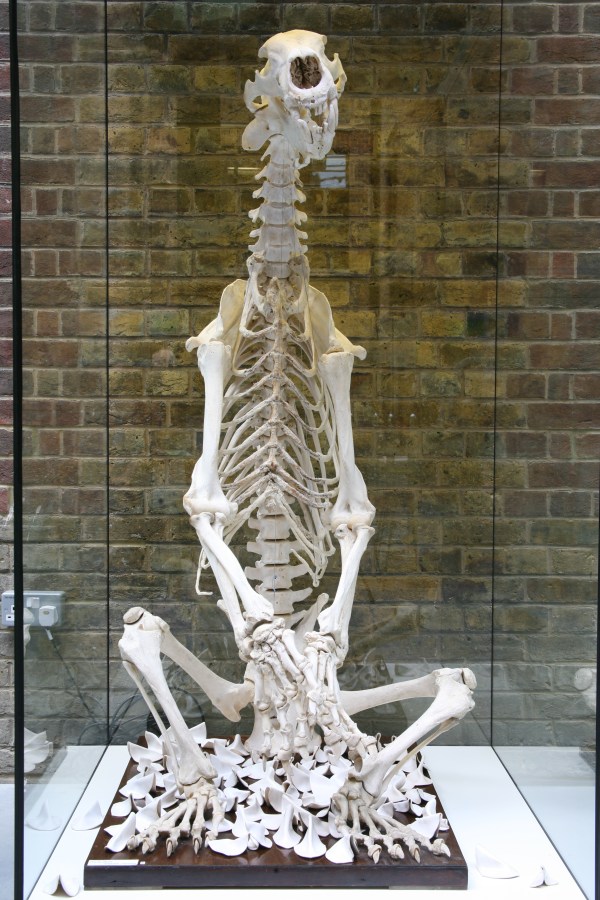
Birds and Beasts at Royal Veterinary College


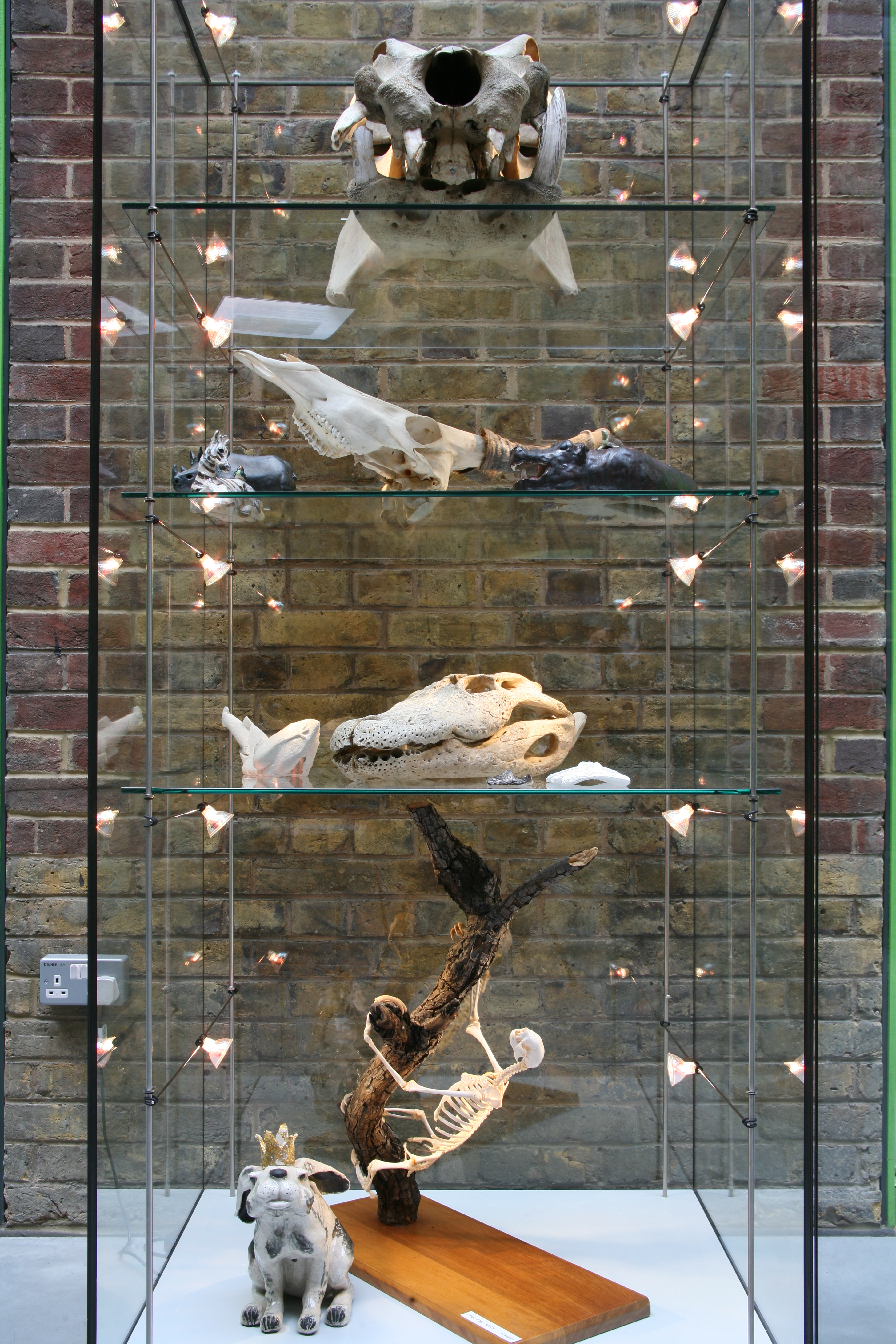
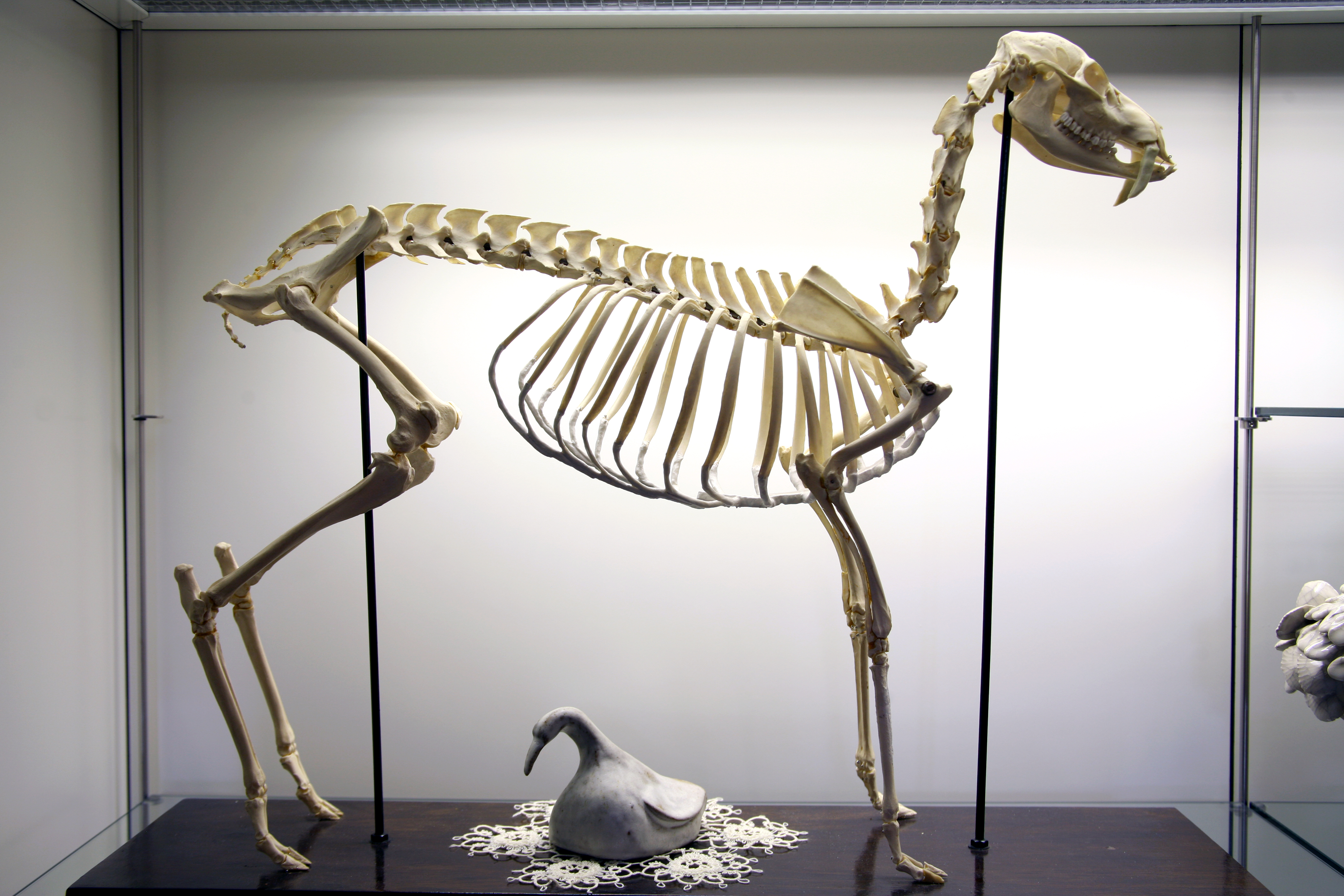
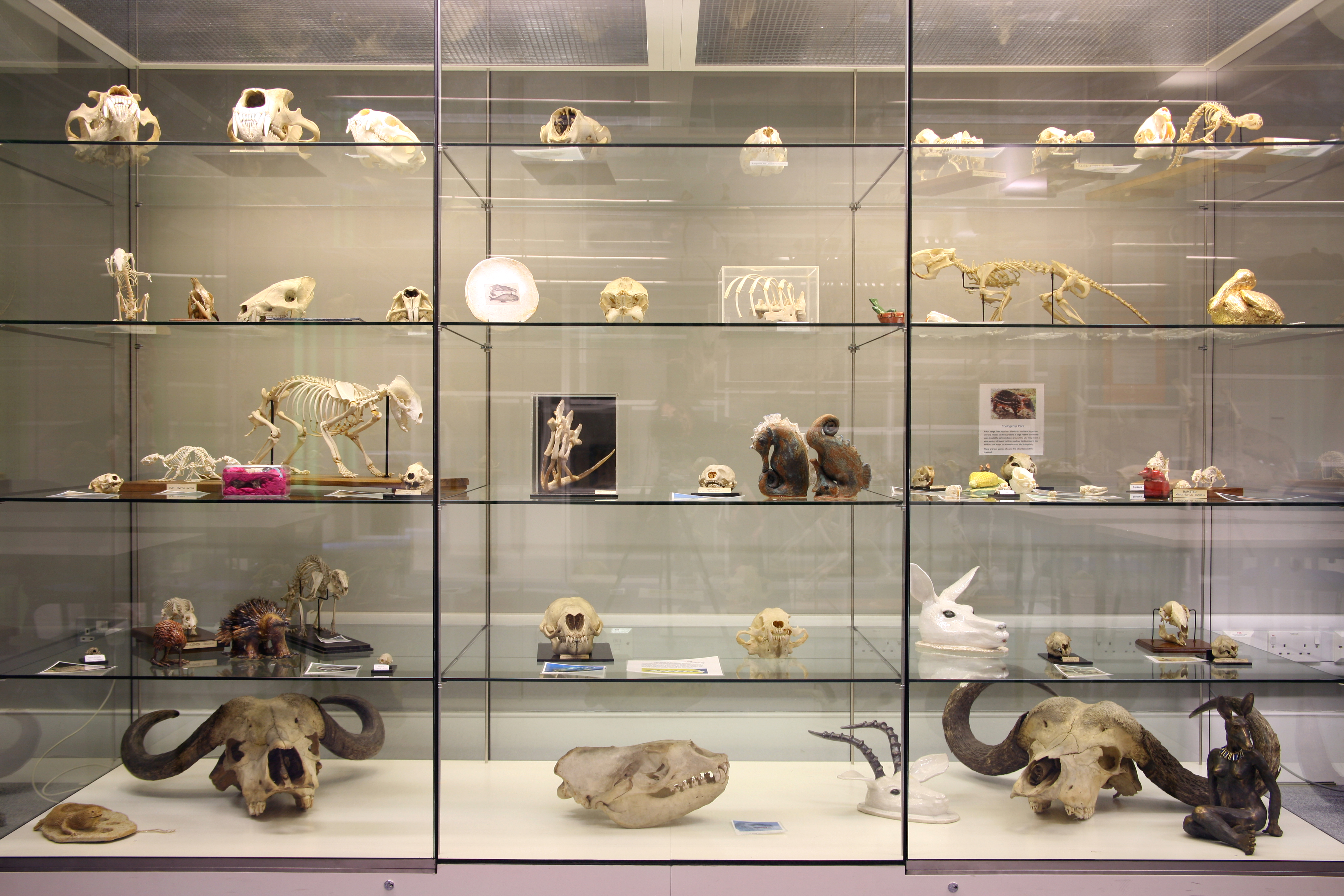
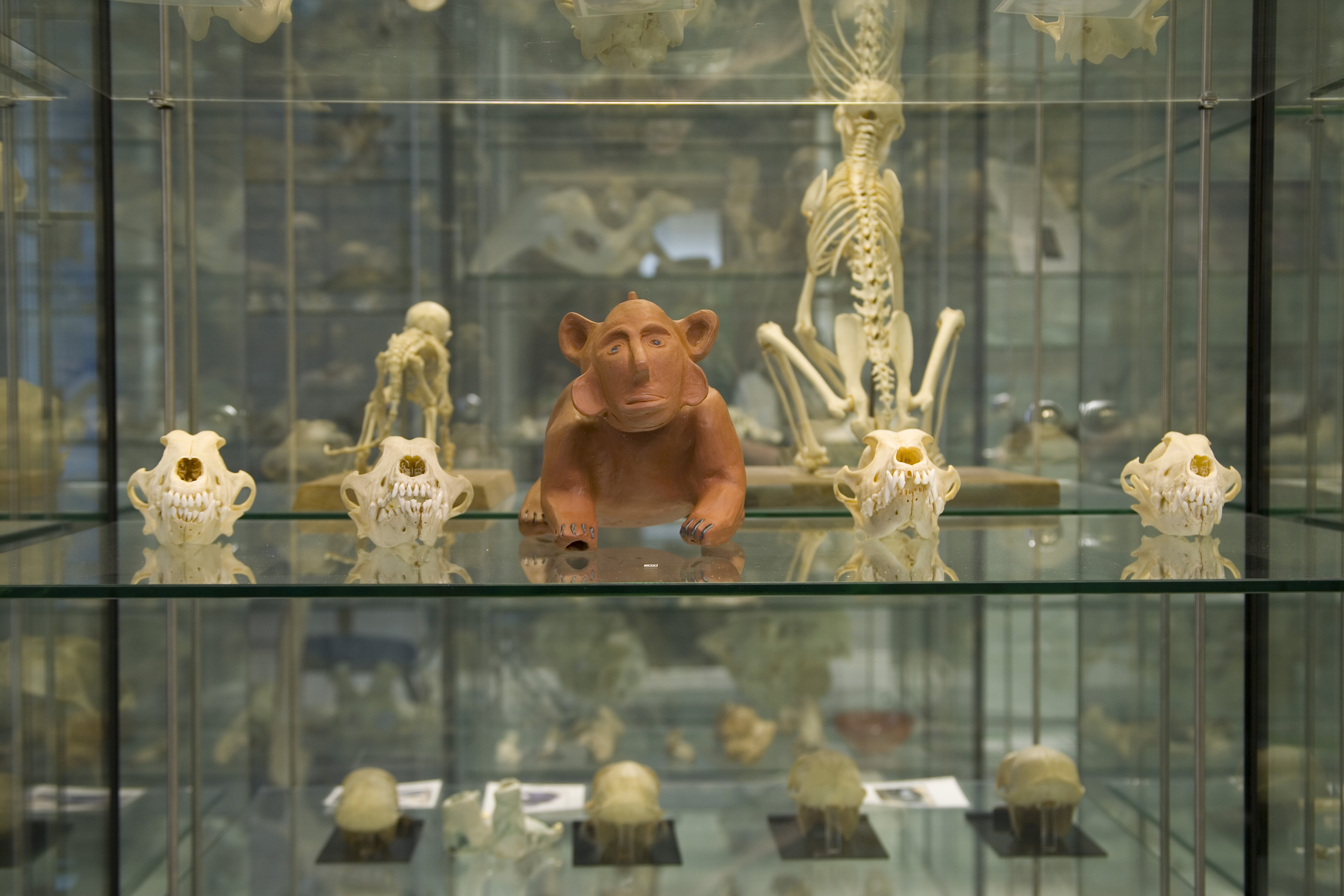
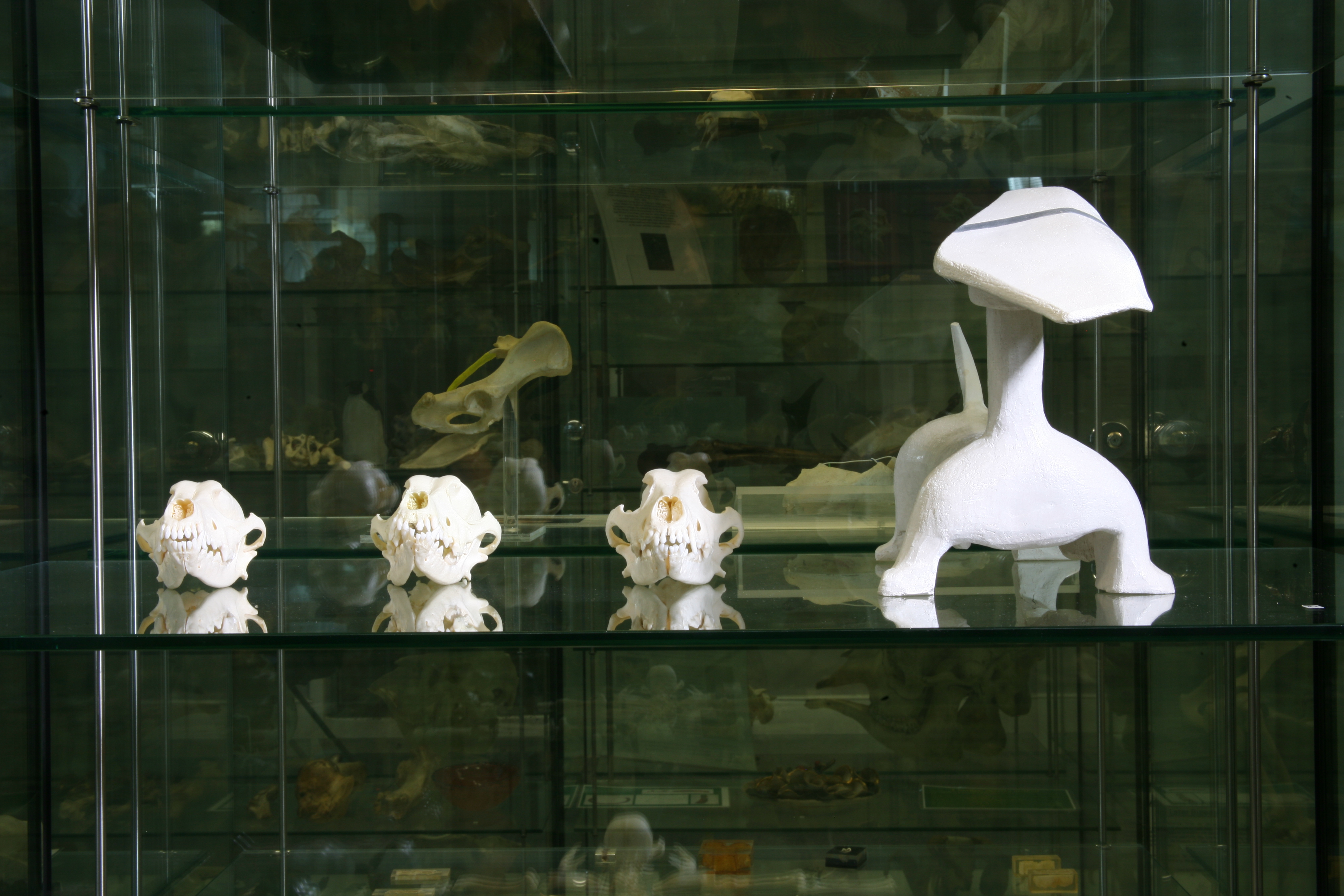
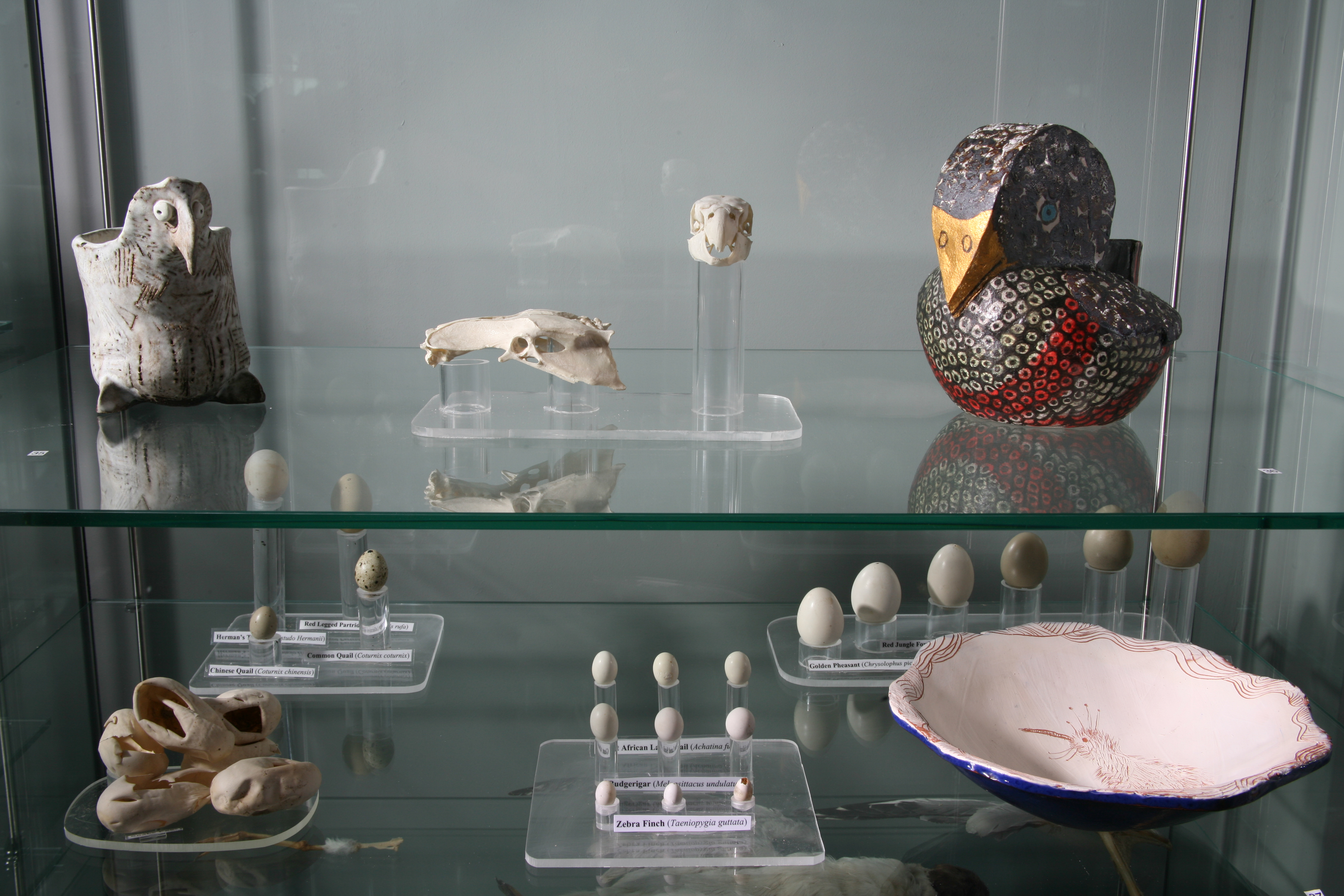
For the month of May ceramic students from Working Men’s College will be participating on an intervention project at the Royal Veterinary College.  Over 100 pieces of ceramic animals will be installed in the museum at RVC, sharing the space with skeletal models and animal specimens preserved in formalin.  Participating artists include: Wendy Arnot/ Marcella Mameli Badi/ Joanna Baines/ Richard Bates/ Beate Bechtold/ ElizabethBordass/ Jimena Cancino/ John Clarke/ Liz Mendes da Costa/ Leviathen Hendricks/ Pische Hughes/ Charlotte Jarvis/Lesley John/ Kusum Nelson-Jones/ Erna Joy/ Rosh Keegan/ Valli Kohon/ Liz Love/ Sharon Lynch/ Sunil Modi/ Kuniko Oki/ Yiannis Pareas/ Gillian Rathouse/ Miriam Reik/ Margret Rich/ Tony Royle/ Dyan Sheldon/ Karen Sussman/ Anne Tickell/ George Deville/ Hideko Oka Ward/ Nicola Web

33 ceramicists had gathered together on this occasion to create a different experience in viewing ceramics.  Distanced from plinths and pedestals, these works present a non-conventional way of looking and appreciating the medium.  Situated amongst the delicate laboratory samples, the equally fragile ceramic beasts emphasise the multiple ways of imagining animal life forms and how one can gain ideas from animals, whether they be scientific or artistic inspirations.  Amongst the ceramic works, the preserved animals also begin to take on a strange identity that was never before realised.  Perhaps they gain more life, or lose a sense of reality when positioned next to art objects.  The exhibition enunciates the abilities of these objects to influence one another in order to create a challenging context for viewers.

The concept of the project had developed from a large number of ceramic works that students at WMC had produced over the years. With the warm welcome of RVC this project has been made possible and was produced with much hope to inspire many visitors, including artists and scientists.

Exhibition is open via appointments only, from Tuesdays to Fridays 2 – 5pm.  Please contact Erica Shiozaki at EricaS@wmcollege.ac.uk, or call 07539931113 to book your appointment.

For more information about the artists and for images of their works, please contact Erica at EricaS@wmcollege.ac.uk or through http://www.ruskingallery.com.

Installation images:

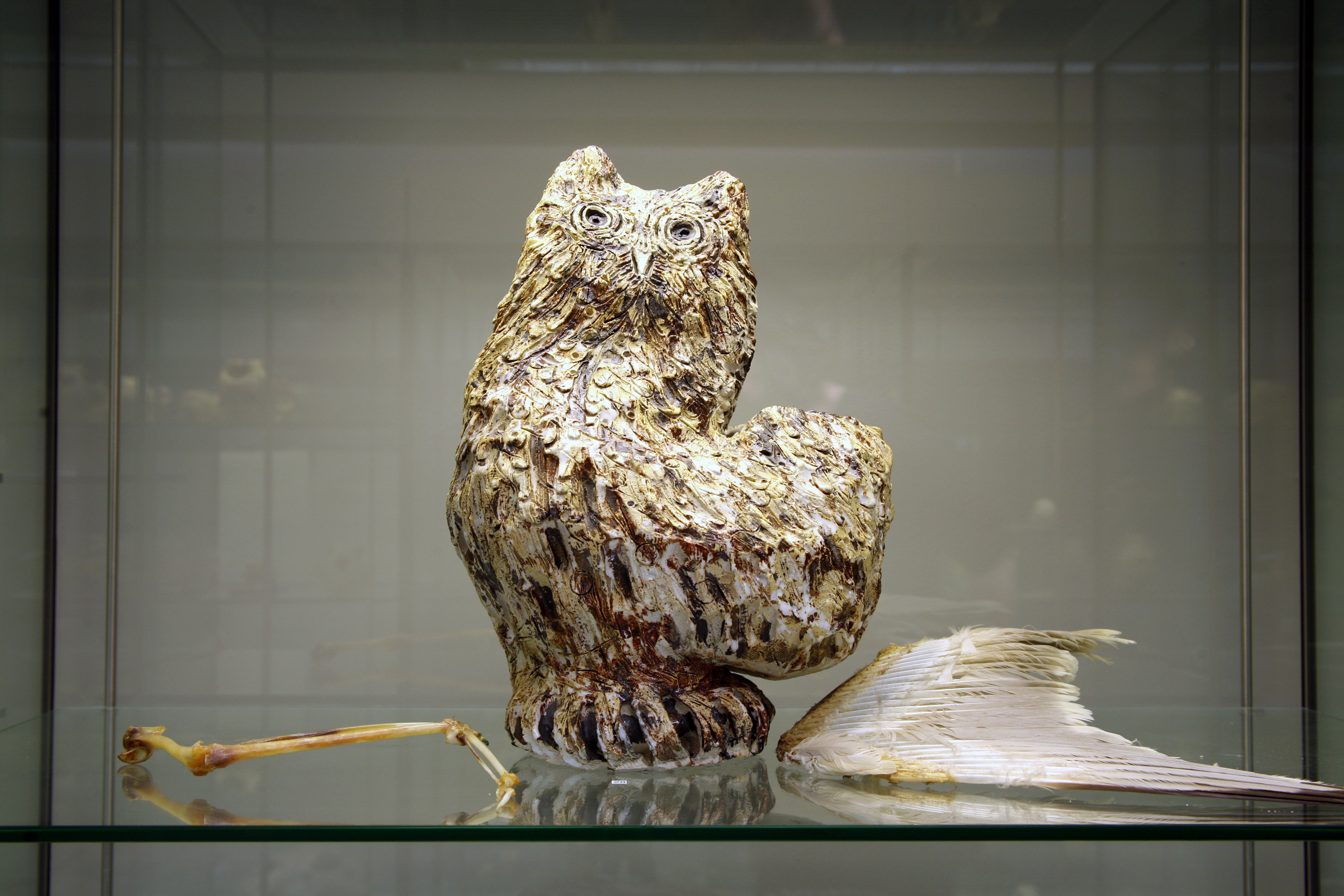
John Clarke Owl

John Clarke “Large Owl” (2011)


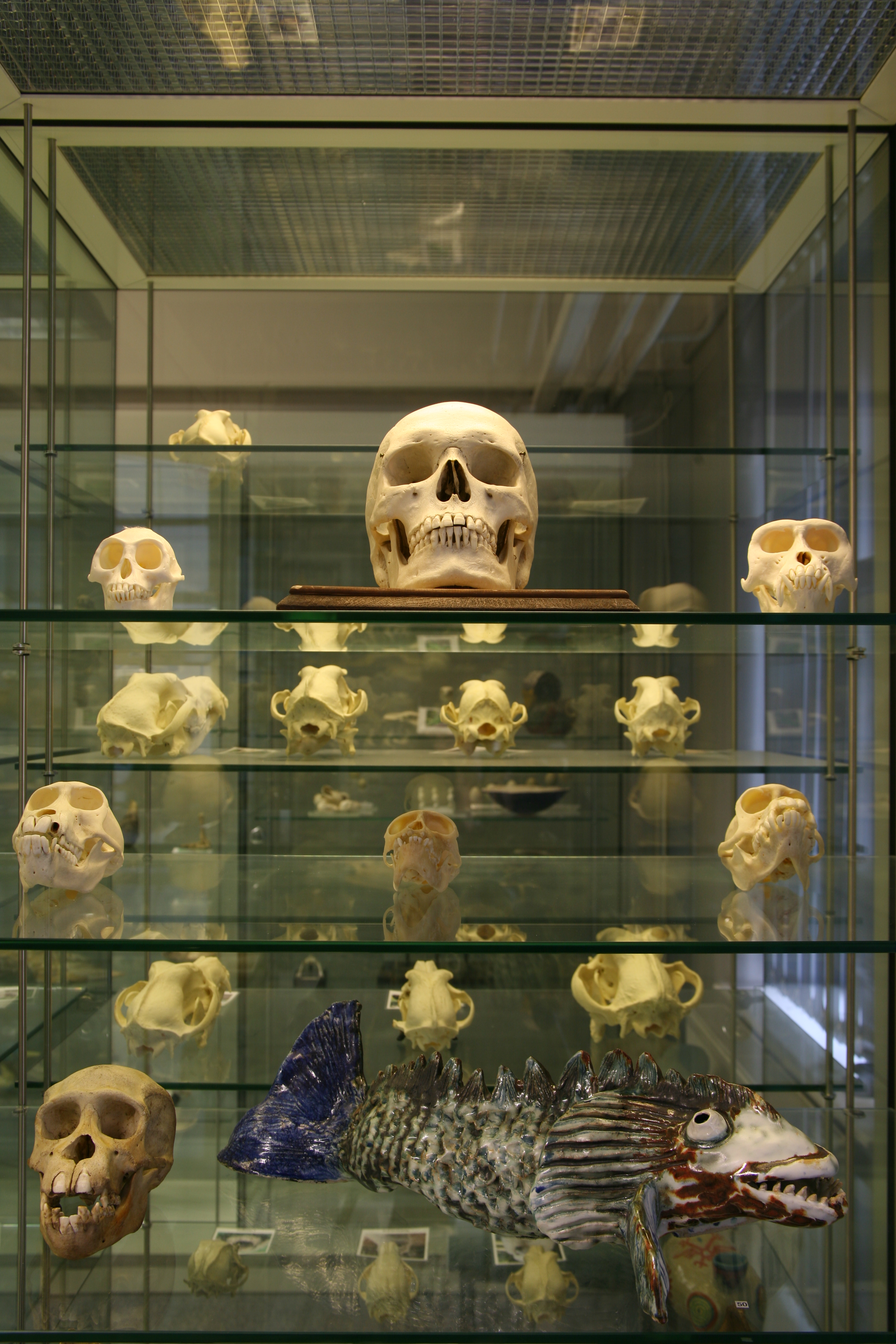
Tony Royle Monster Fish

Tony Royle “Monster Fish” (2012)


Elizabeth Boardass Monkey/ Yiannis Pareas Taurus

From Left: Elizabeth Boardass “Monkey” (2010) and Yiannis Pareas “Taurus” (2012)


installation view

Installation View: Cabinet


Hideko Oka Ward “Origami Birds” (2012)


Installation view - cabinet

Installation View Refectory Cabinet 1


Miriam Reik Pinchy Bird

Miriam Reik “Pinch Bird” (2011)


Installation Cabinet view

Installation View cabinet 2


Installation View - cabinet

Installation View Cabinet 2


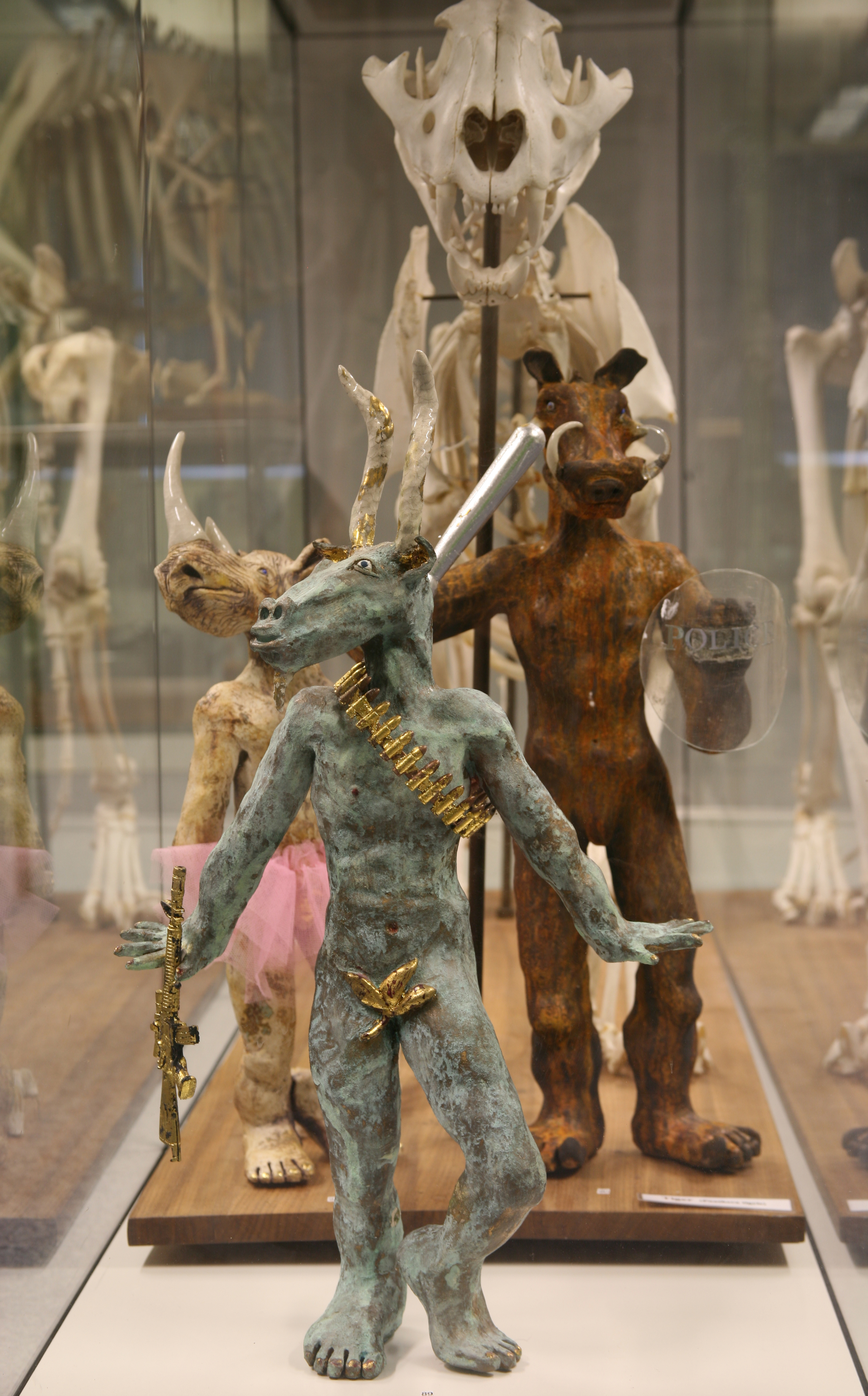
Rosh Keegan - Worrier Najinsky;Kettling Warthog; It wasn't me - Great White Northern Rhino

Rosh Keegan – From far left in counter-clockwise: It Wasn’t Me – Great Whit Northern Rhino (2011); Warrior Ninjinsky (2010); and Kettling Warthog (2011)


Installation Cabinet 3

Installation View Cabinet 3


Sharon Lynch Terracotta Dog (2011)

Sharon Lynch “Terracotta Dog” (2011)


Charlotte Jarvis Dachshund (2010)

Charlotte Jarvis “Dachshund” (2010)


From Left: Jimena Cancino and Wendy Arnot

From Left, anti clockwise: Jimena Cancino Bird Vase” (2011); Wendy Arnot “Baby Bird” (2011) and J. Cancino “Kiwi Bowl” (2012)


All photographs by Andrea Heselton

© Andrea Heselton 2012


Blog at WordPress.com.

Up ↑