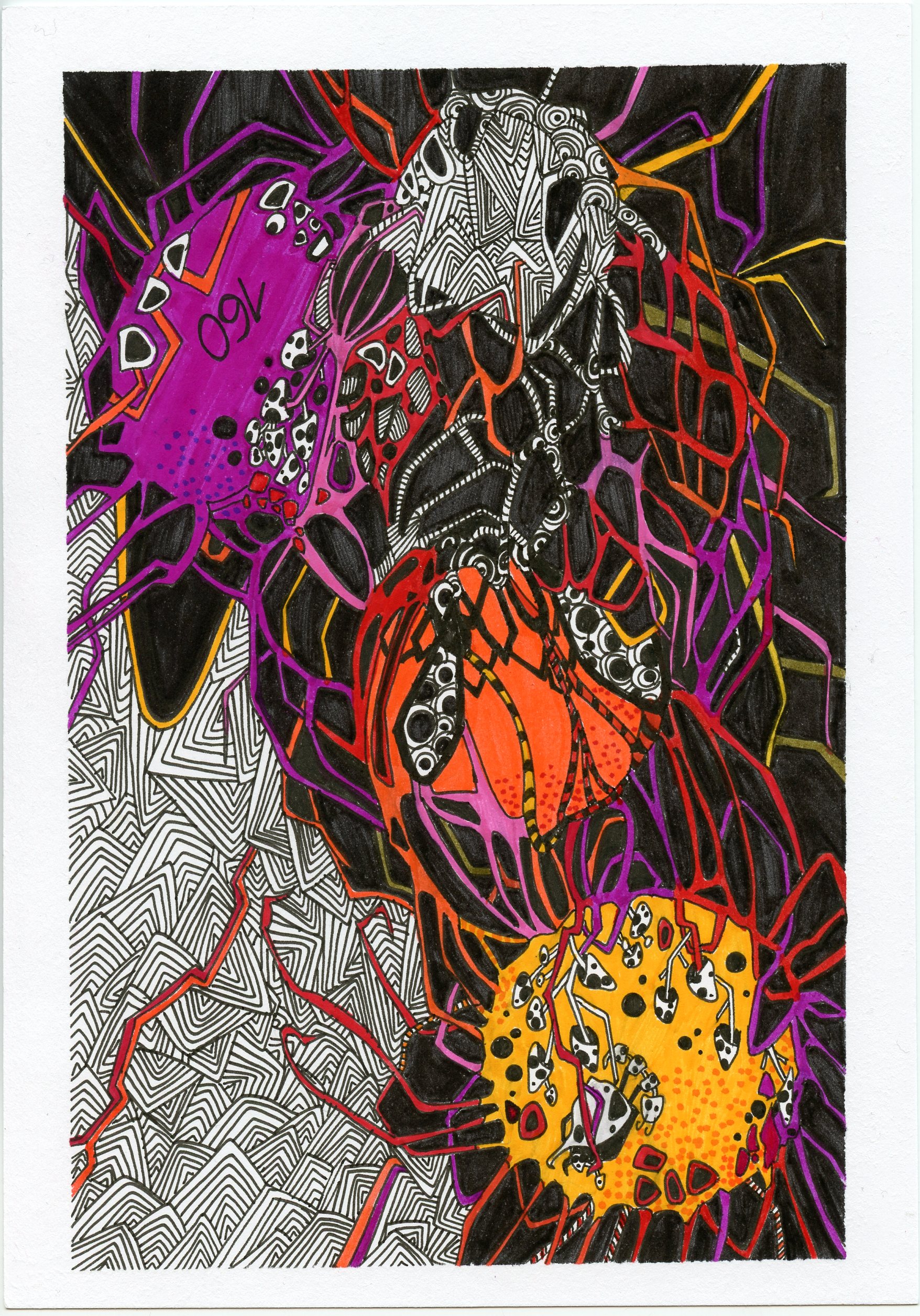
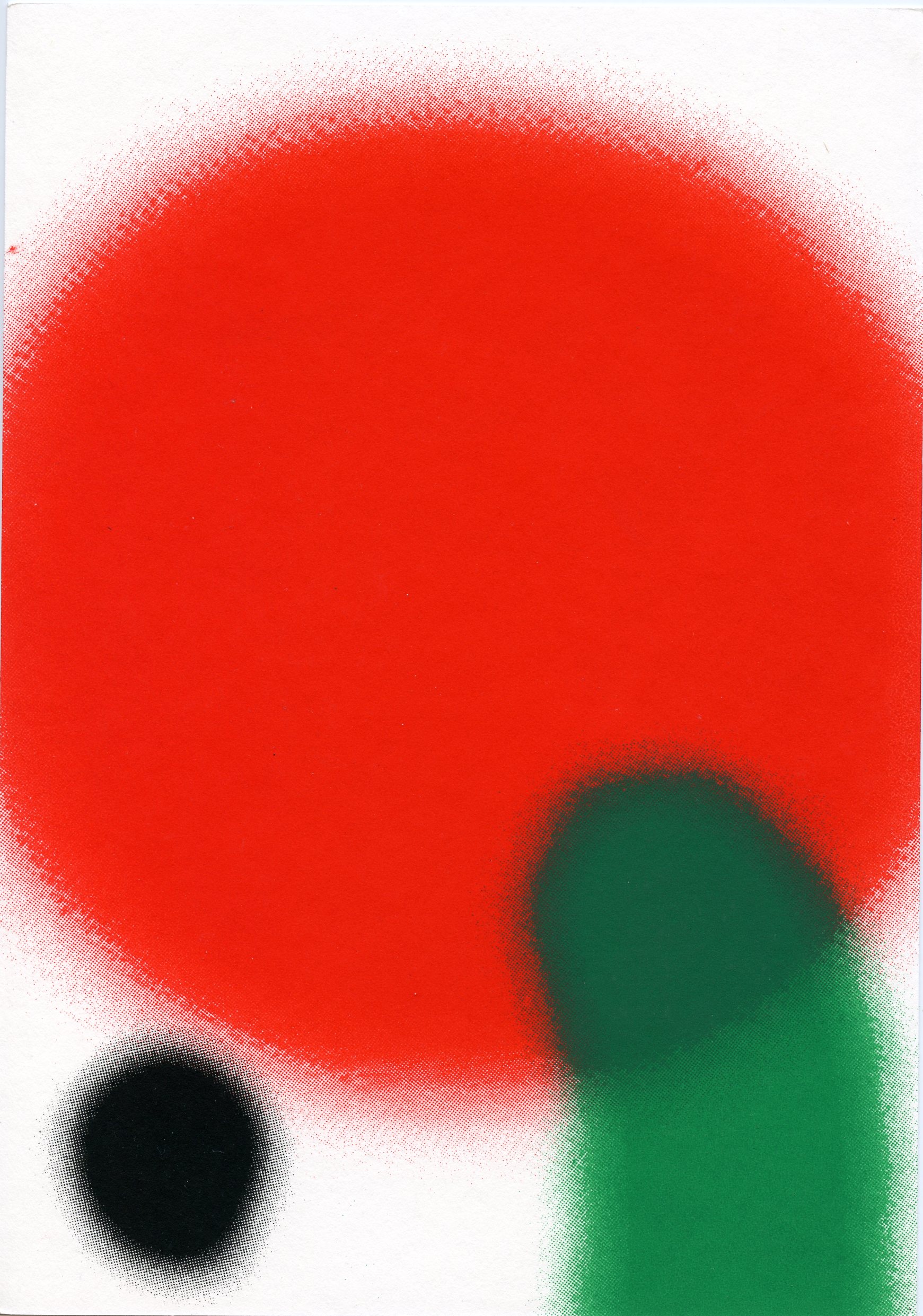
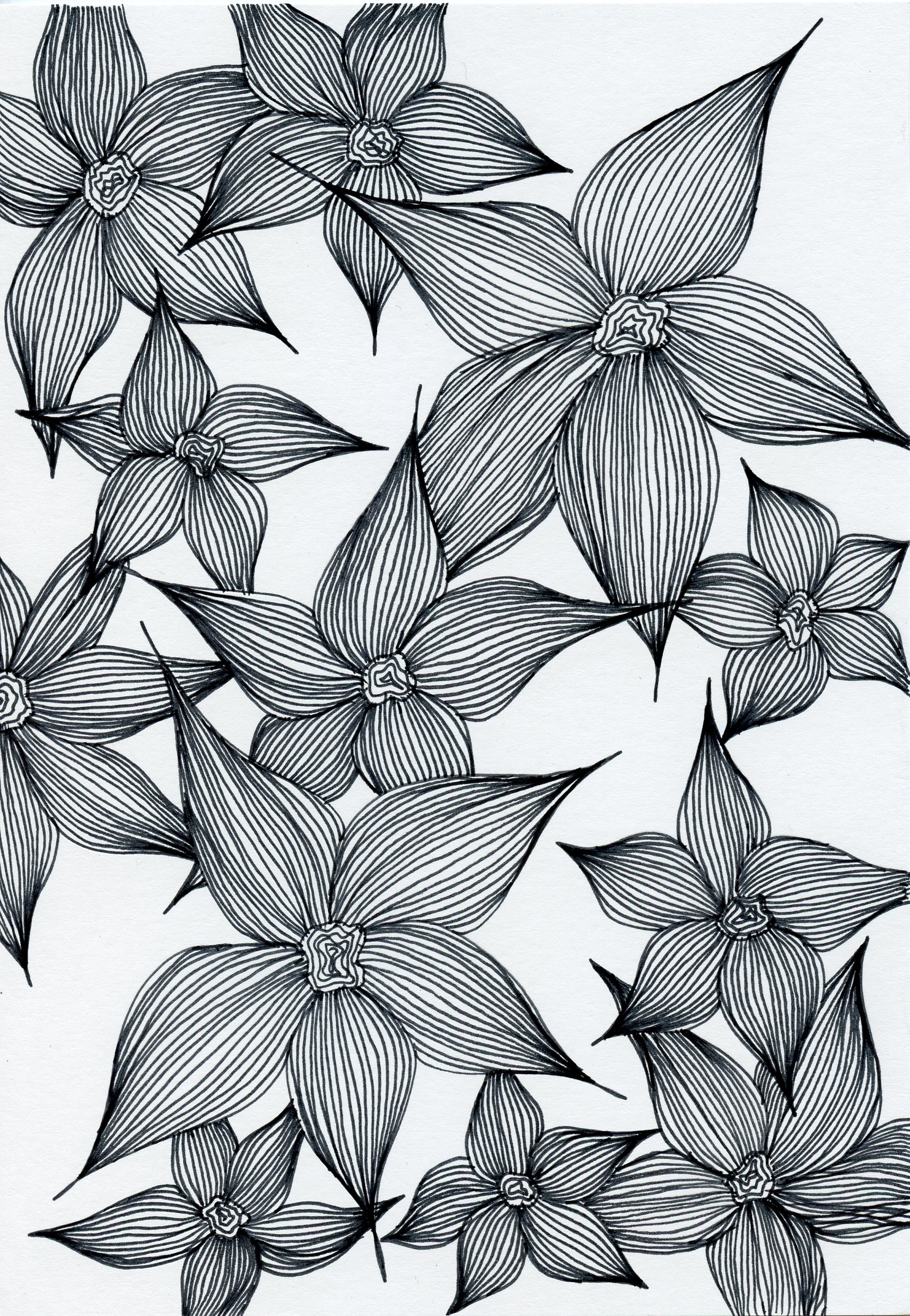
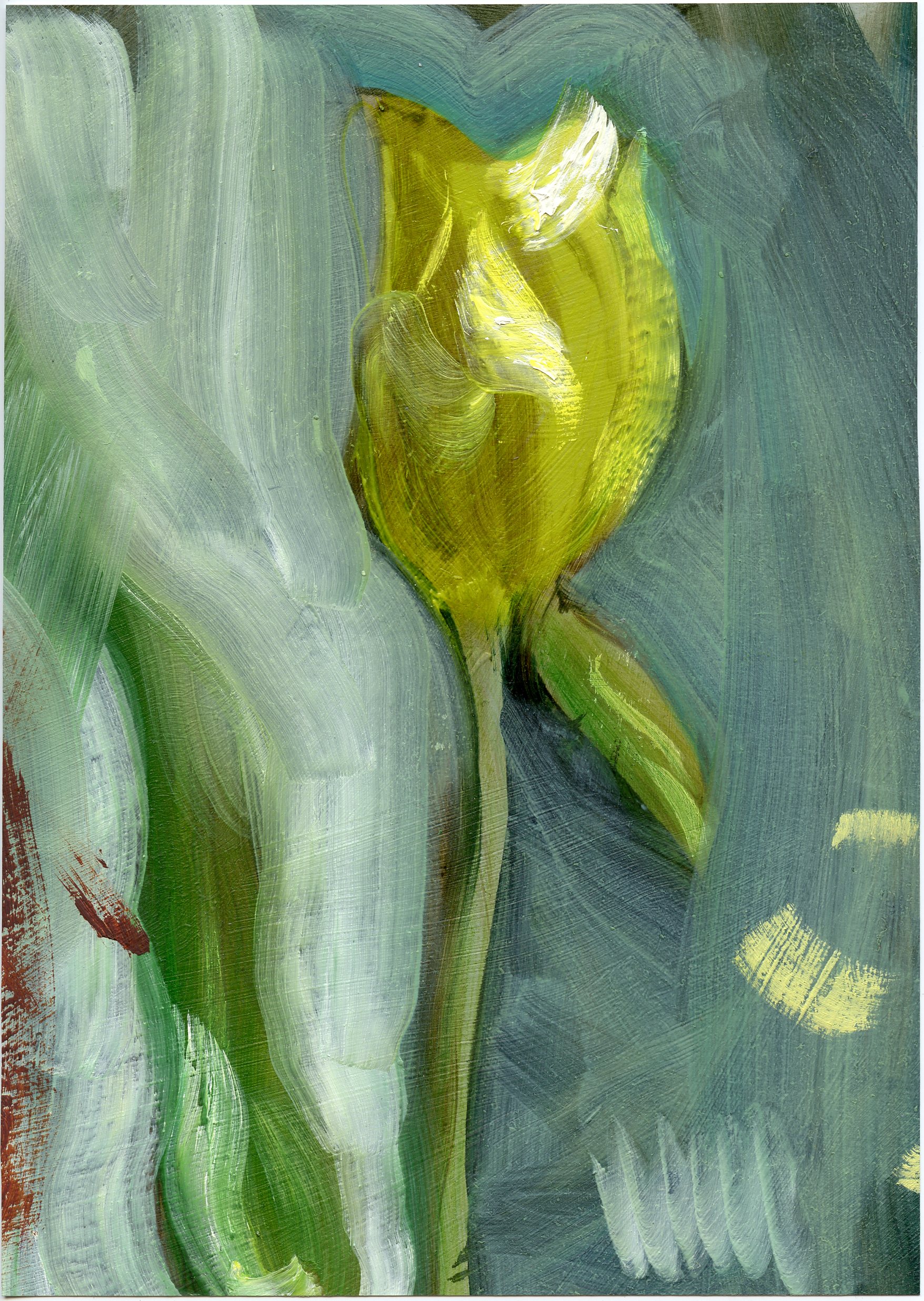
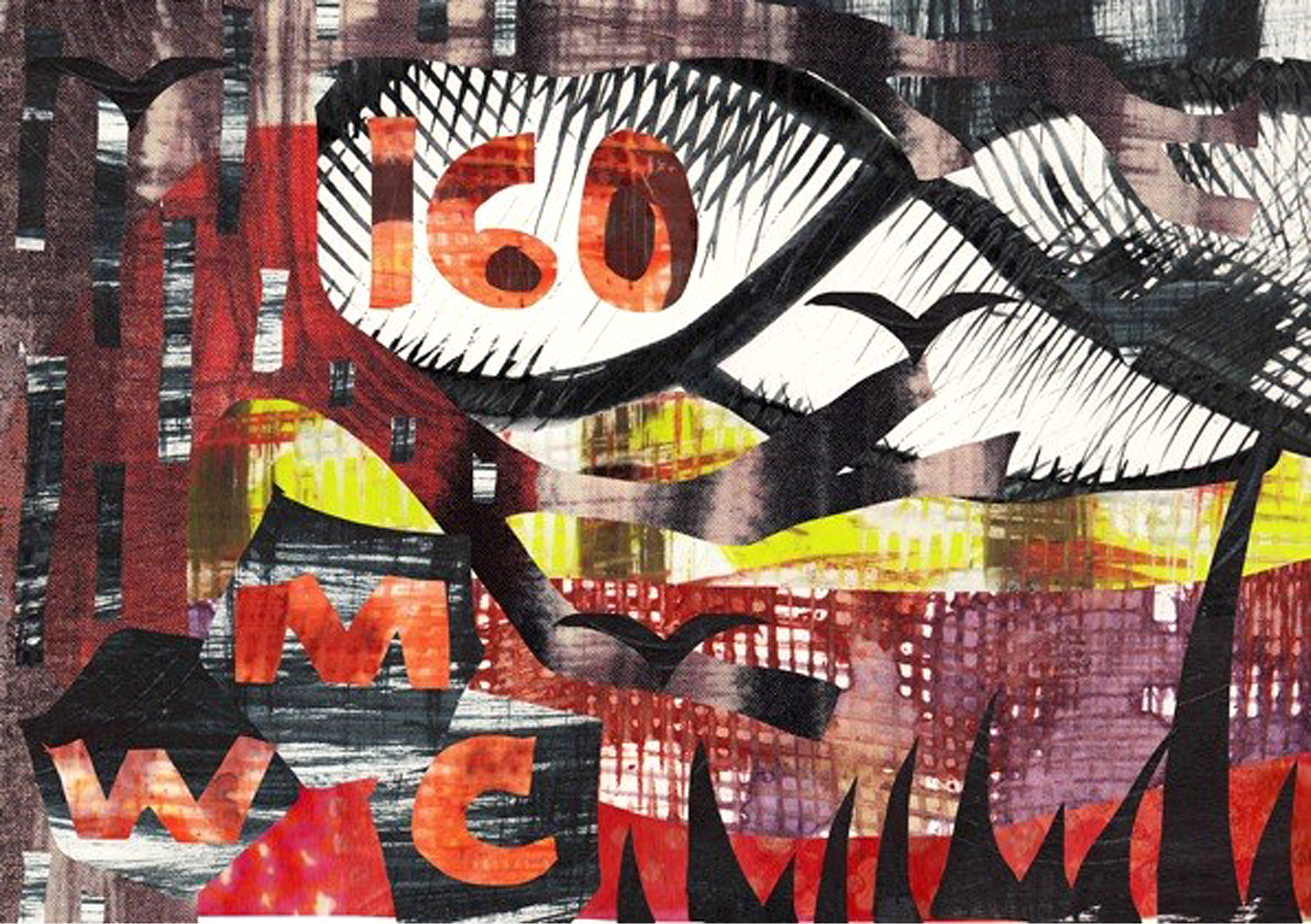
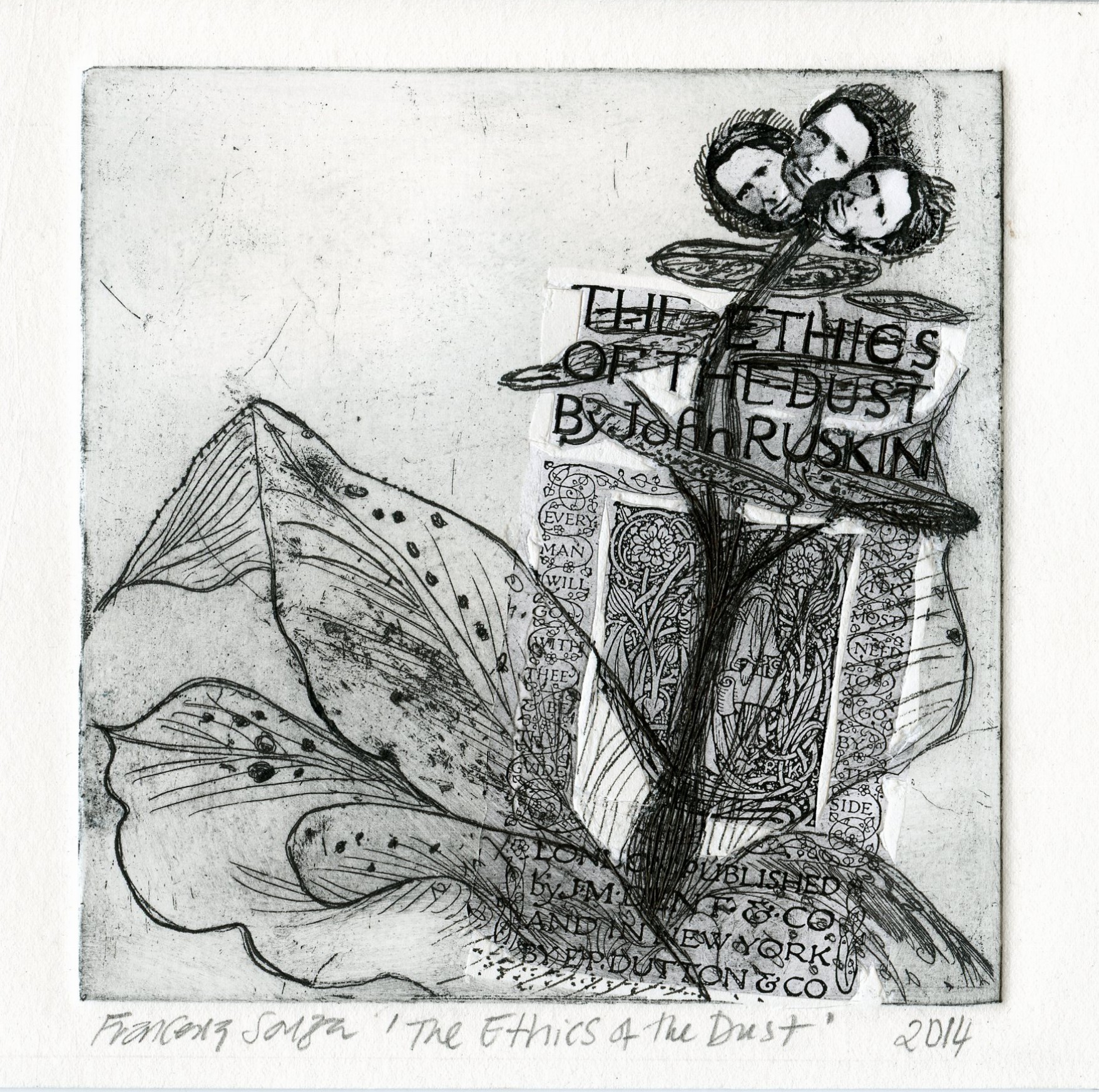
160 Years of WMC Celebrated in 160 postcards

160 Years

Celebrated in 160 Art Works


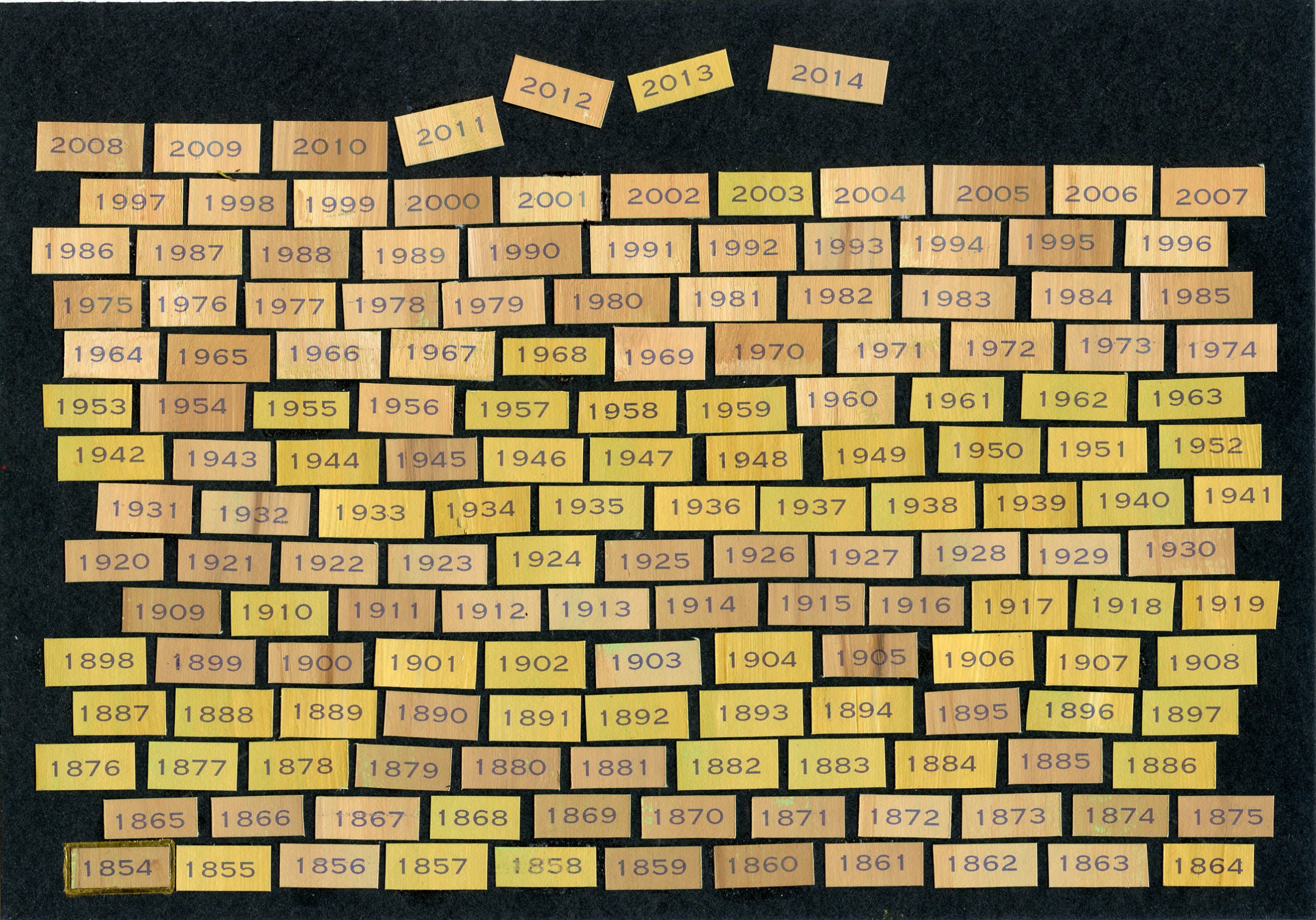
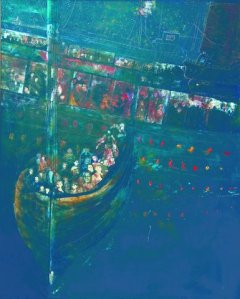
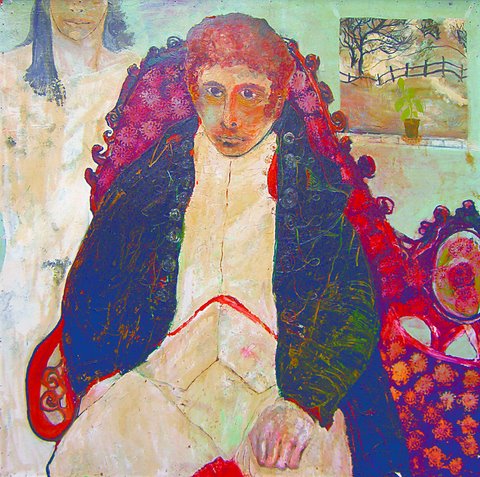
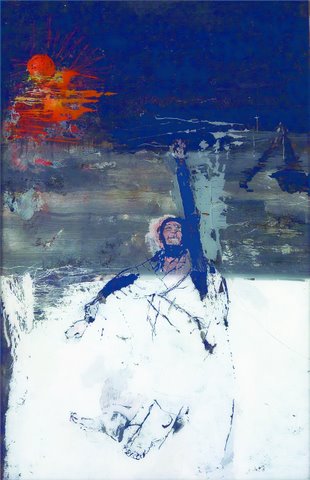
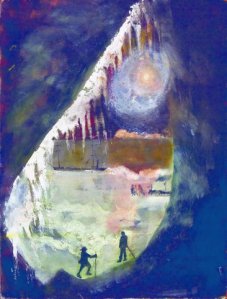
Working Men’s College is proud to present a lively visual art show of 160 small-scale works in the Ruskin Gallery to mark the 160th anniversary of the institution.

Founded in 1854, Working Men’s College is the oldest surviving adult education establishment in Europe. It has a remarkable history as a centre for innovation and excellence in the visual arts. Early supporters included distinguished artists and critics: John Ruskin, Dante Gabriel Rossetti, Burne Jones, Holman Hunt, and Ford Maddox Brown who pioneered the revolutionary Arts and Crafts and Pre-Raphaelite movements. 160 years later, the visual arts are still going strong. The work may look very different – there is less paint, charcoal, figurines and scenic vistas, and more photography, collage, and playful experimentation with letterforms and abstraction – but the desire to create, make, and experiment with visual forms and languages is the same. As with our eminent forbearers, we draw inspiration and encouragement from the past, whilst looking ahead, pushing the boundaries of the visual arts, of what we know and think we can do.

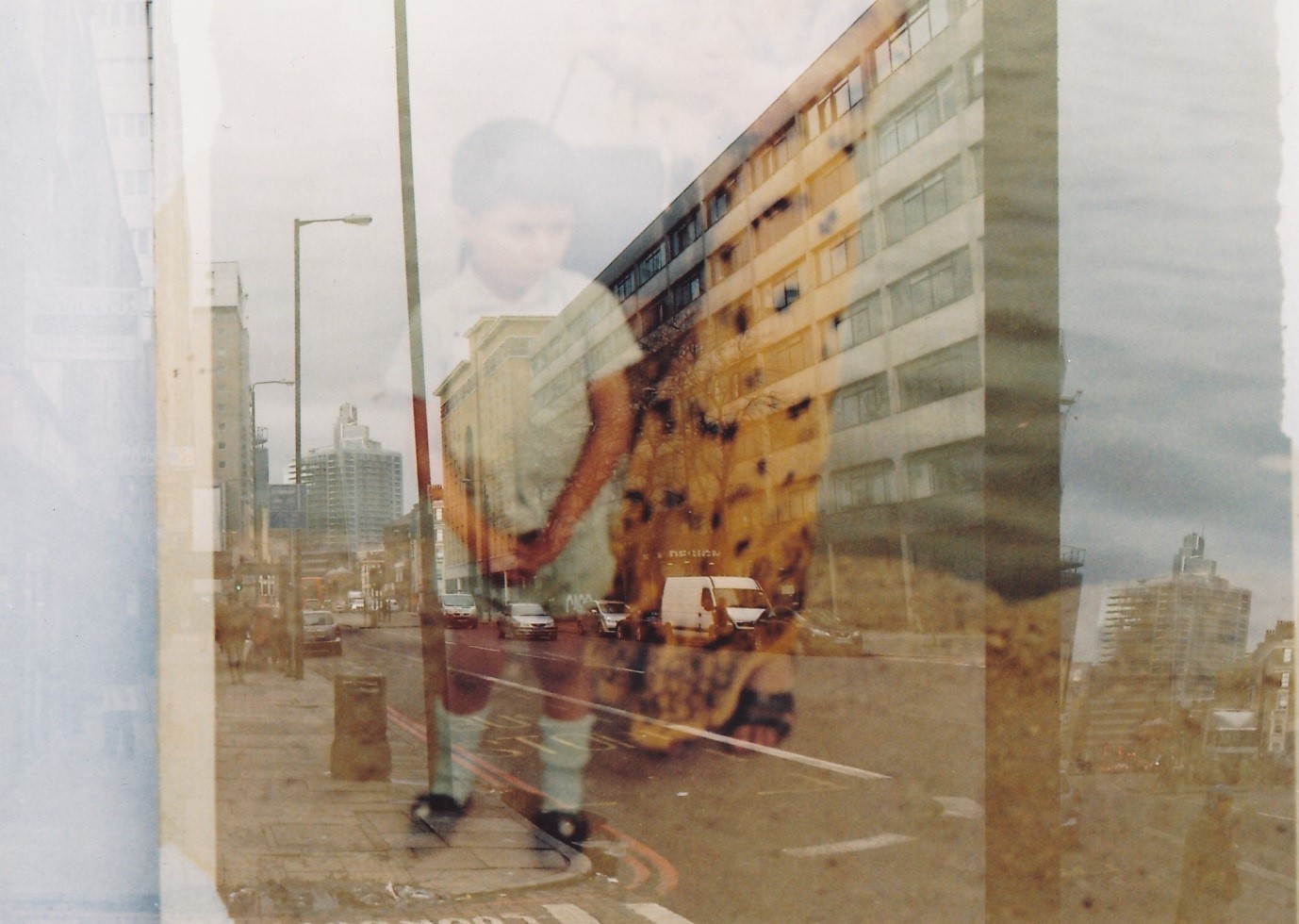
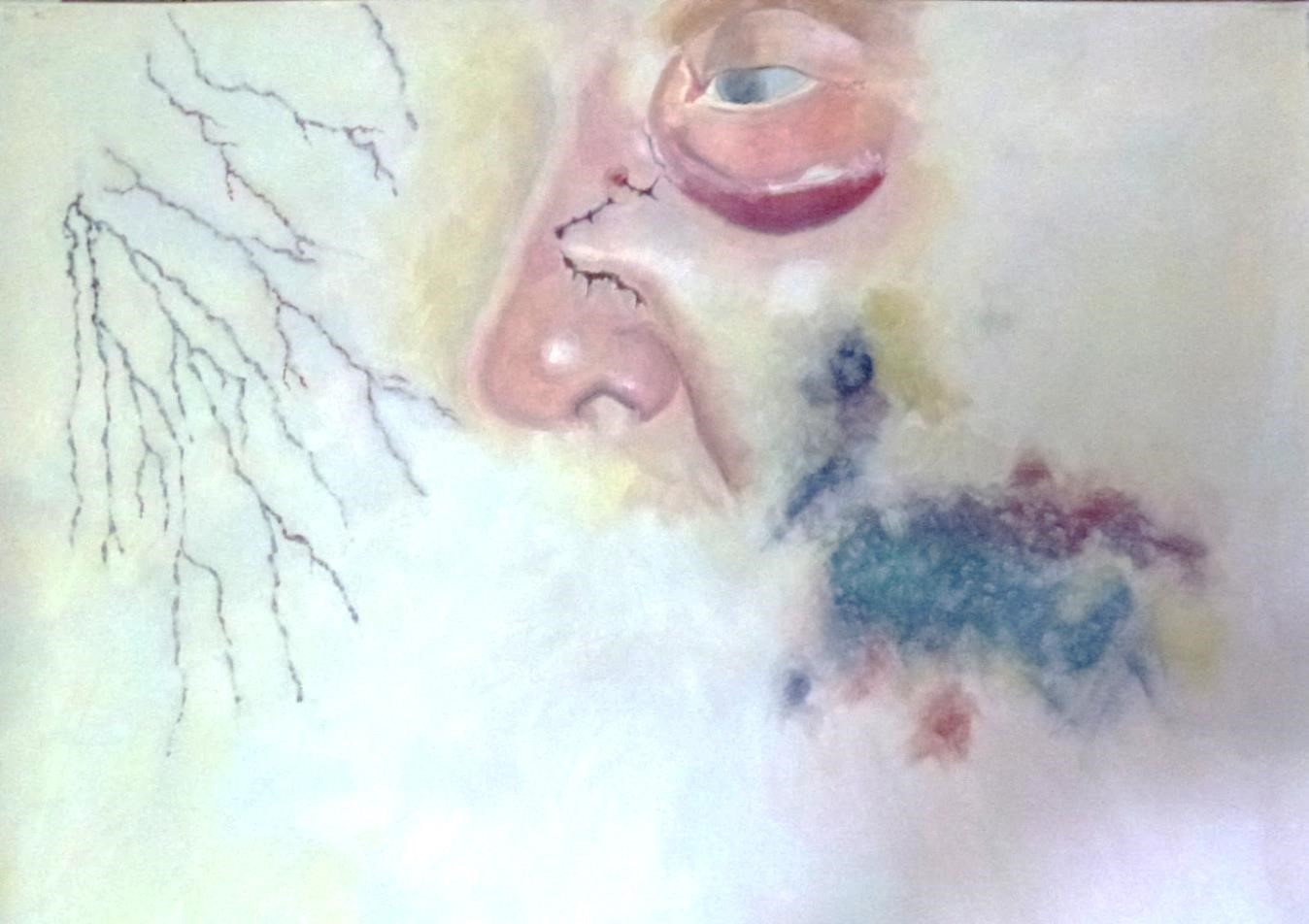
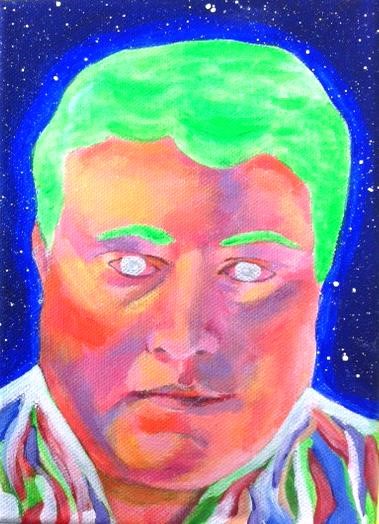
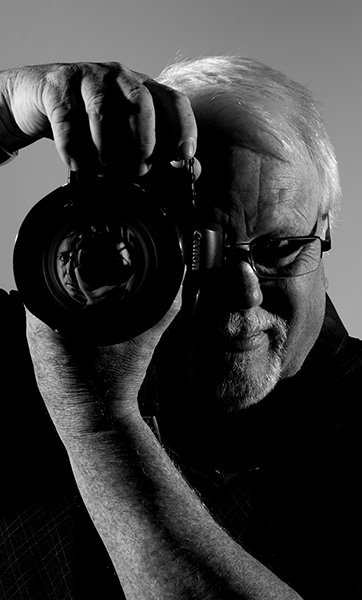
Wright Sarah 1                Marilena Onorato

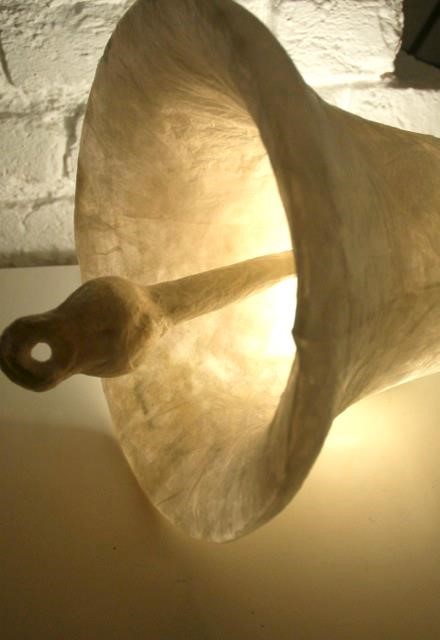
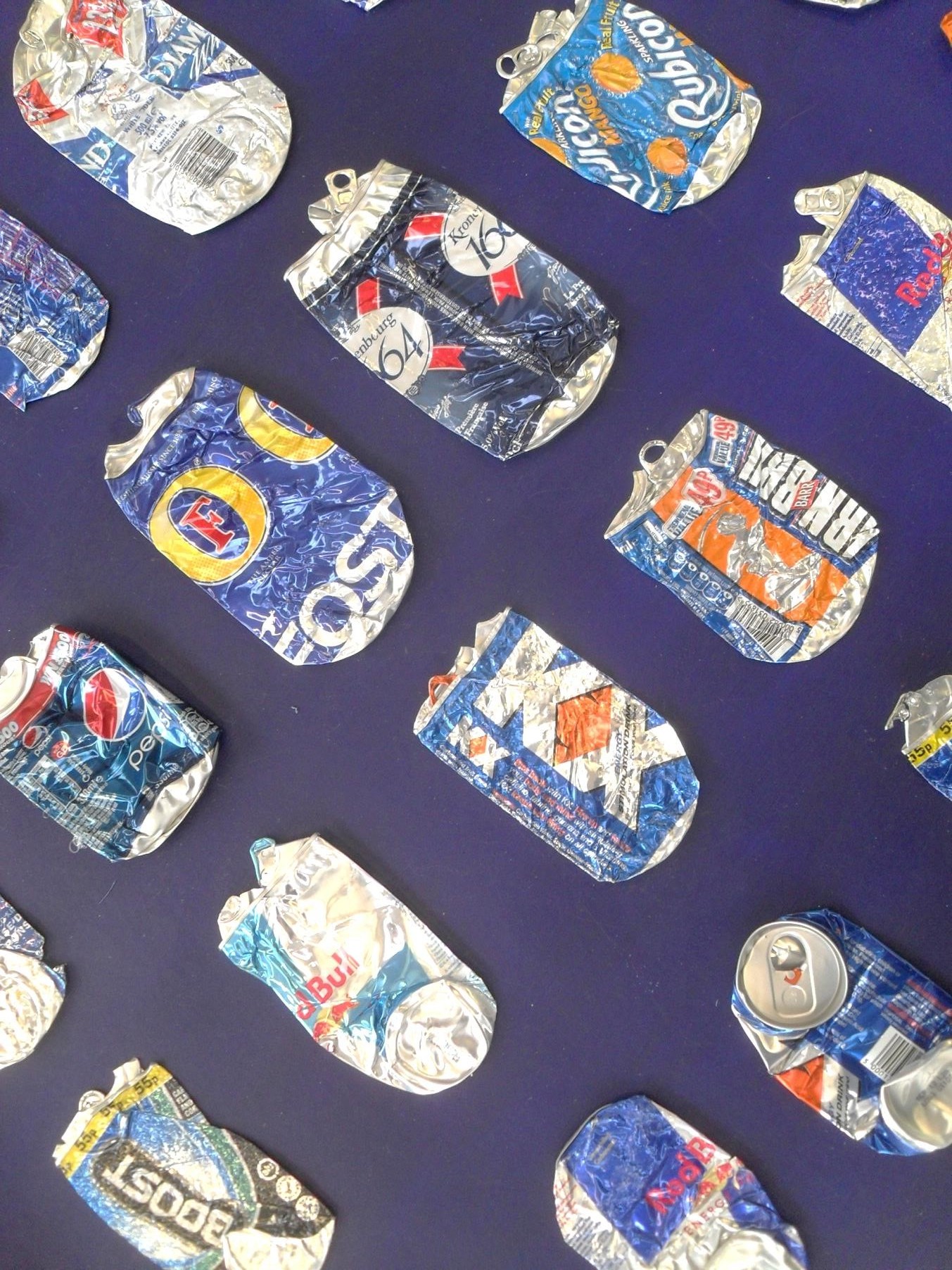
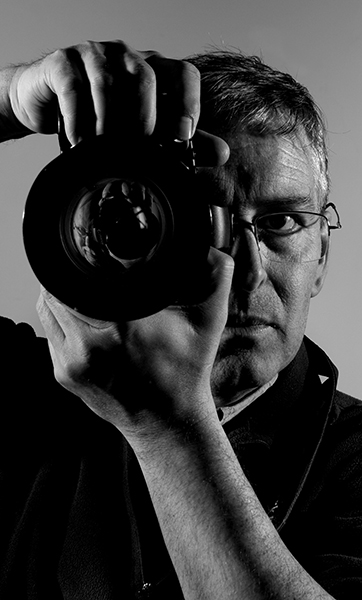
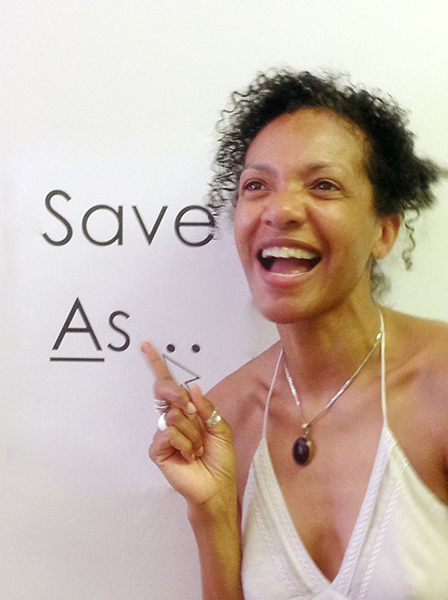
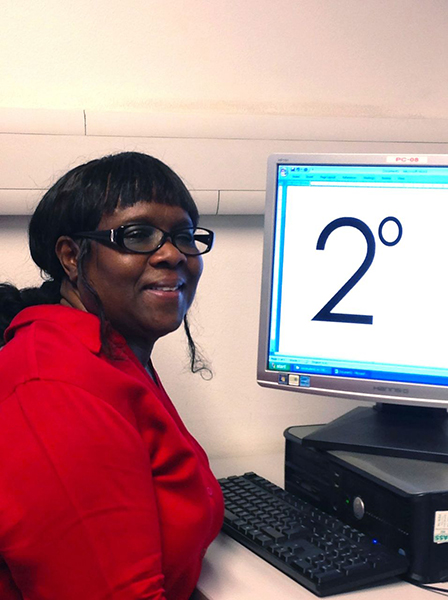
All the works in the exhibition have been made by current students, staff, and alumni who, only a month ago, were invited to take part in the project. Everyone, whether just starting out or enjoying careers as successful artists, was encouraged to make a ‘card’ to commemorate and celebrate the college. The response has been overwhelming. Reflecting the diverse range of students and staff, the cards made for the show are immensely creative, varied, and diverse, spanning across several media, including drawing, painting, printmaking, textiles, photography, and performance. Their approaches range from straightforward celebratory greetings and historical testimonies, including archival photographs of our college, to more indirect abstract references and personal memories that explore the visual and emotional landscapes of the environment. Most importantly, every card is unique and personal. This makes for an eccentric, eclectic, and enormously fun exhibition. A warm thank you to everyone who took up the brief and submitted such fantastic works.

Pernille Holm

Curator

Delphine006         katre Luik        Ben Senior005


Prizes @ WMC 13/14 – Retrospective

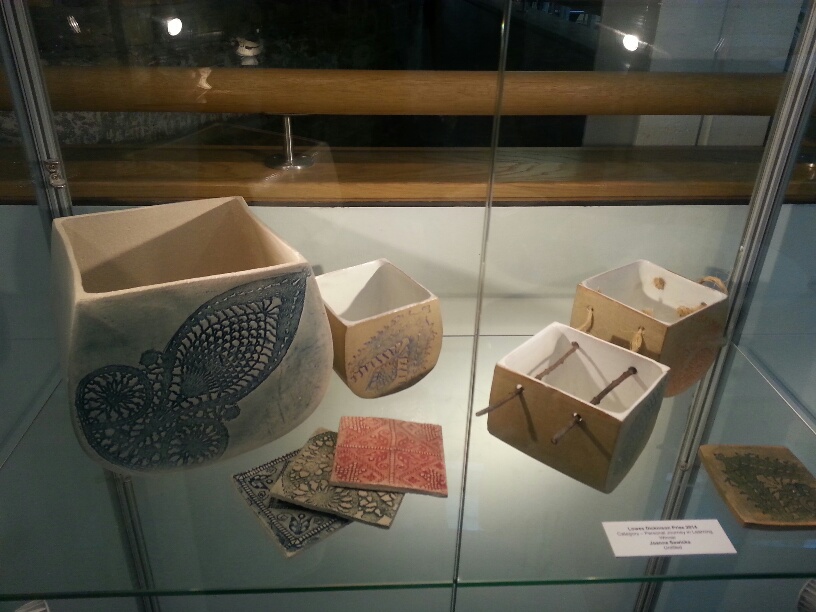
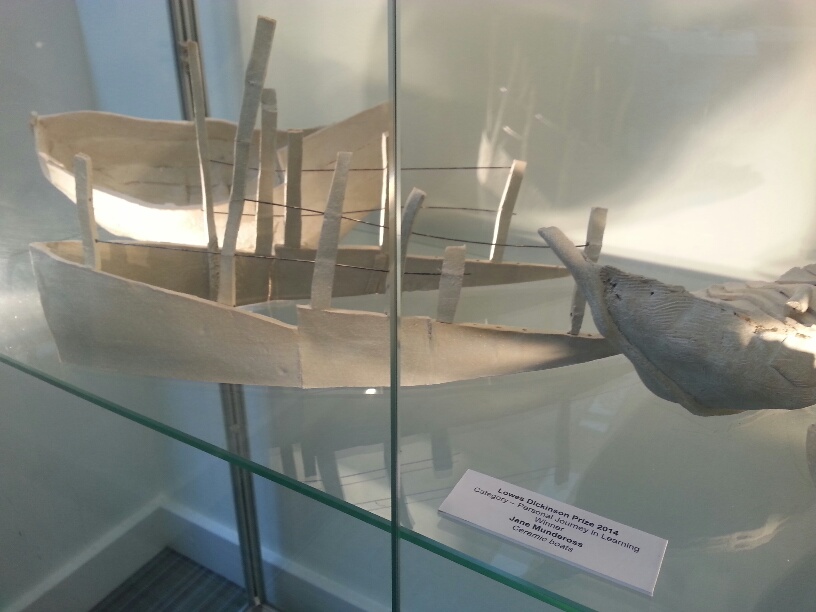
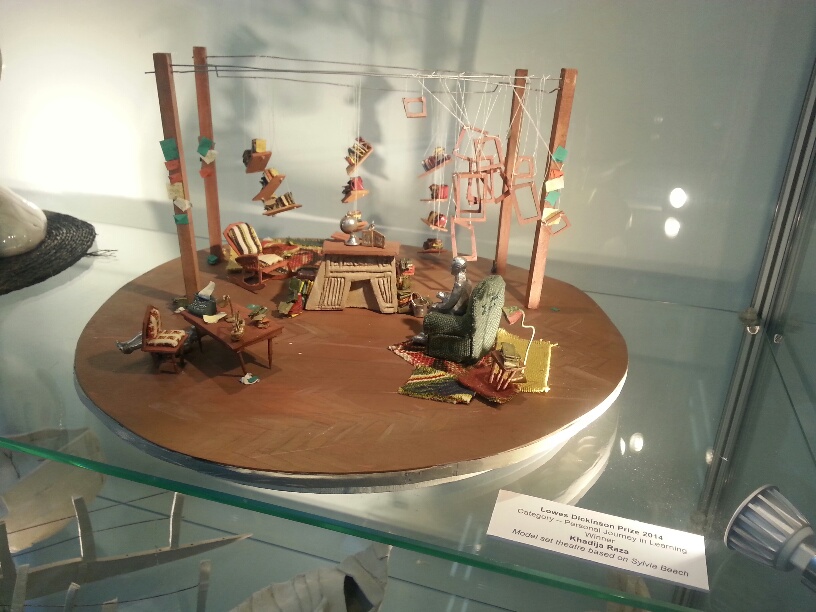
Lowes Dickinson Prize 2014
and the
Frances Martin Prize 2014

(September 2014 – October 2014)

Displayed throughout September and October 2014, the works from the successful entries to the Lowes Dickinson Prize and the new Francis Martin Prize.

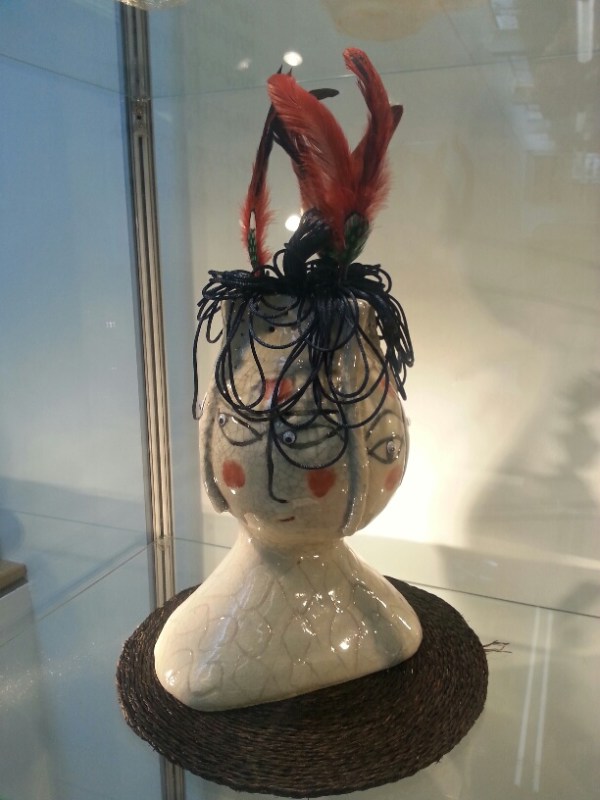
The Lowes Dickinson Prize is named after Lowes Cato Dickinson who was a tutor, artist and founder member of Working Men’s College.  The Prize is funded through a grant left by him to enhance the learner experience at Working Men’s college and has manifested itself in many versions over the years, ranging from travel scholarships to one-off prizes for artworks.

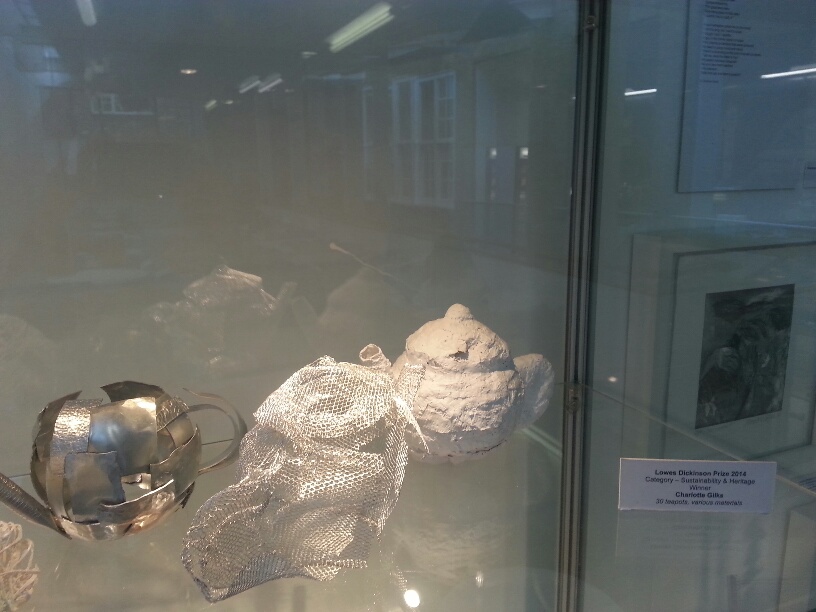
In offering a number of prizes, the Prize aims to support the learning of students at Working Men’s College. This year the Prize was split into 3 categories: Personal Journey in Learning, Contribution to the Community and Sustainability and Heritage.

20141024_095701_resized

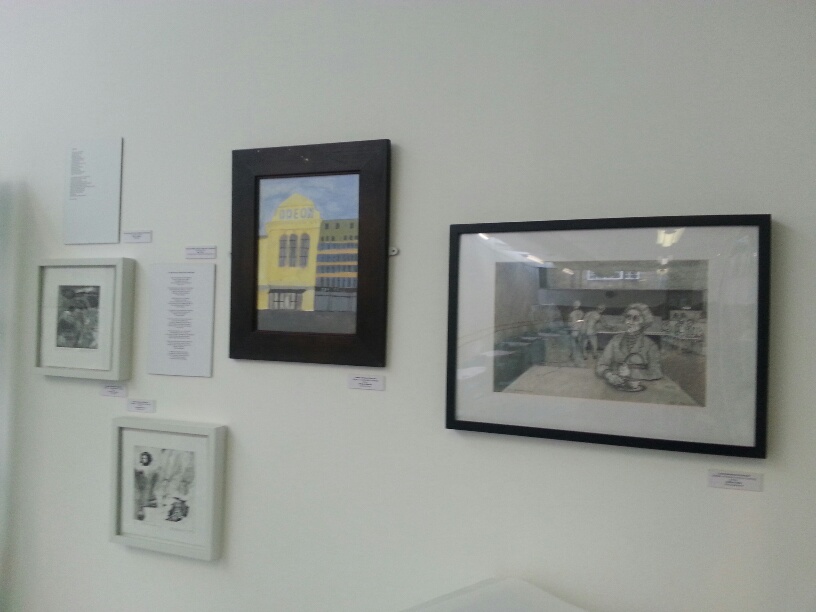
New for students in 2013/14 was our pilot Francis Martin Prize for poetry and literature which celebrated the literary works of our students.  WMC students they got creative by putting pen to paper or by typing up their prose.  The prize has its roots firmly based in the College as Frances Martin founded the College for Working Women which was house together and then merged with WMC in the 20th century. Winners are also celebrated in the Ruskin Gallery.

20141024_095737_resized

Successes in 2013/14

Lowes Dickinson Prize 2014

Name / Category / Title / Course

Vojsava Fakhro / Personal Journey in Learning / Girl with a gold earring / Sculpture All Levels

Clifford Gabb / Personal Journey in Learning / The Conversation / Fine Art All Levels

George Little / Personal Journey in Learning / Seated Lady / Life Drawing All Levels

Jane Mundeross / Personal Journey in Learning / Ceramic Boats / Handbuilt Forms

Khadija Raza / Personal Journey in Learning / Model set theatre based on Sylvia Beach / Foundation Diploma Art and Design

Joanna Sawicka / Personal Journey in Learning / Untitled / Ceramics Level 2

Hideko Oka Ward / Personal Journey in Learning / Head of girl / Handbuilt Forms

Christopher Simpson / Contribution to the Community / Untitled / Foundation Diploma Art and Design

Michael Alderton / Sustainability and Heritage / That’s All Folks! / Painting: Developing Techniques

Charlotte Gilks / Sustainability and Heritage / 30 teapots / Foundation Diploma Art and Design

Francesca Souza / Sustainability and Heritage / Relative Bonds /

Somaye Zadeh / Contribution to the Community / Performance (Iranian + Middle Eastern Jazz fusion) / Pro Logic Intermediate

20141024_095907_resized 20141024_095728_resized

Frances Martin Prize 2014

Name / Title / Course

Anne-Marie Clarke / Slapdash / Fine Art All Levels – First Prize

Somaye Zadeh / The Funk / Logic Pro Intermediate – Second Prize

Sam Flynn / An Alien Sends a Postcard from Ridley Road / Creative Writing – Joint Third Prize

Andrew McCall / S Stands for Scotland / Creative Writing – Joint Third Prize

20141024_095650_resized 20141024_095814_resized

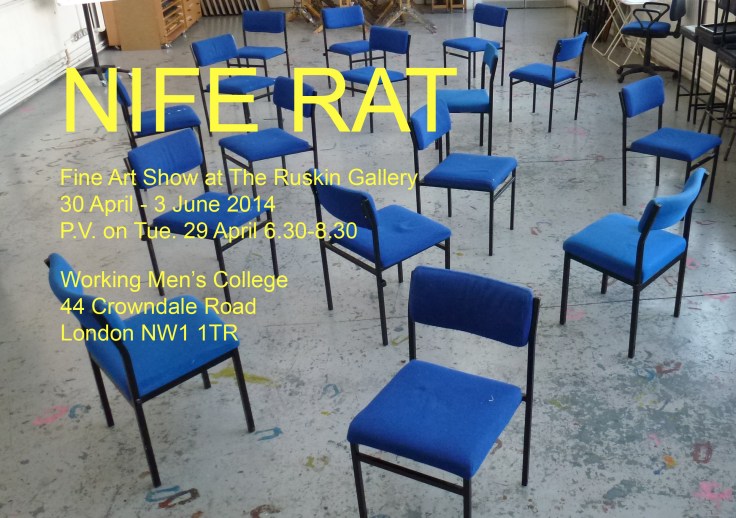
Fine Art Exhibition 30 April – 3 June

Fine Art All Levels Exhibition

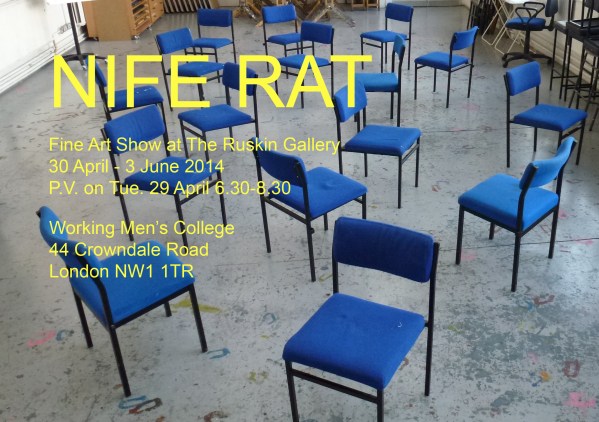
NIFE RAT

Fine Art Show at The Ruskin Gallery

Private View 29 April 6:30-8:30pm

Exhibition opens 30 April and runs until 3 June

This lively show celebrates the work of 12 Fine Artists who meet every Tuesday in the art studio 901 at Working Men’s College. They have come together to share and develop their work and ideas, and this show is the fruit of their hard work and playful experiments over the last two terms.

The artists in the show come from a variety of backgrounds: some have completed diplomas and degrees and have several years of experience behind them, others have just started out. Quite a number of them work in new media – video, photography, and performance – yet others prefer traditional forms of painting and drawing. Many have joined the group because they need a space and focus for their work; others because they enjoy the support and feedback you get from a community.

But they all have one thing in common: an open and inquisitive mind. Throughout the months, ideas have been explored, embraced, tested, debated, materialised, reworked, questioned, critiqued, and then explored again. Fine Art is a funny business today, because it appears that everything goes, and yet it doesn’t. With the freedom to work in any media and materials you like – whether paint, film, rubbish, chocolate, or stuffed animals – comes the need for rigour, questioning, and self-imposed limits and frameworks. And these artists, whether just starting out, or continuing a long-standing practice, seem to have understood this balance well: they have embraced new ideas, materials, and working practices with open minds, yet never without rigorous testing and critical examination, which bespeaks a serious commitment to the discipline of Fine Art, here edgily retitled as Nife Rat.

Students Exhibiting


Mladenka Vujicic Ninkovic

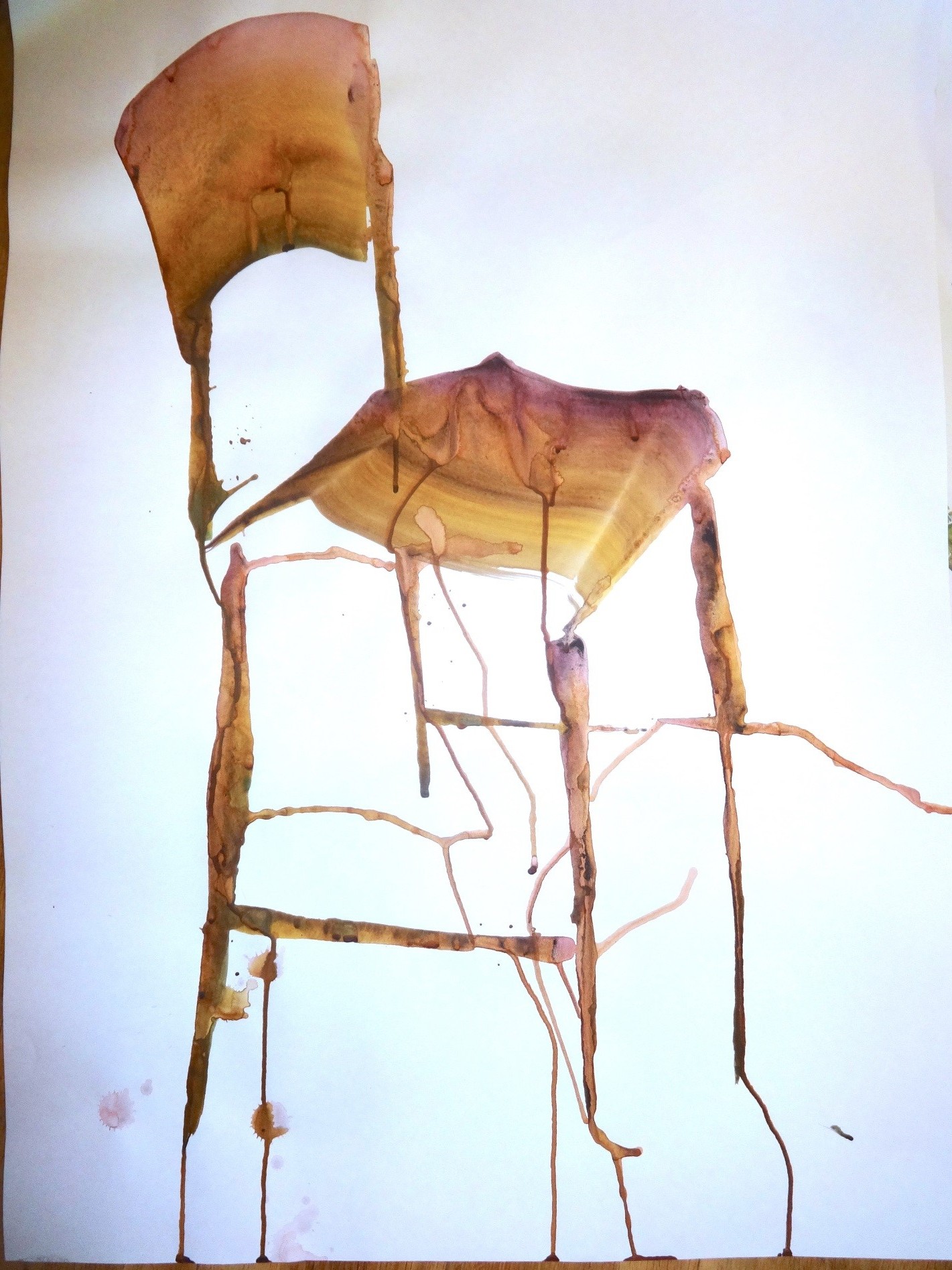
Mladenka Vujicic Ninkovic - Chair

Chair

Jane Musgrove

Jane Musgrove - Shifts in Time

Shifts in Time

Louise Harrison

Louise Harrison - Comfort

Comfort

Mohammed Akram

Mohammed Akram - Ghosts
Ghosts

Clifford Gabb

Clifford Gabb - Skin
Skin

Clare Lewis

Clare Lewis - Echoic Memory
Echoic Memory

Parvin Dabaghmanesh

Parvin Dabaghmanesh - My Precious Little Pieces
My Precious Little Pieces

Felicity Field

Felicity Field - On The Road
On the Road

Michaela Howard

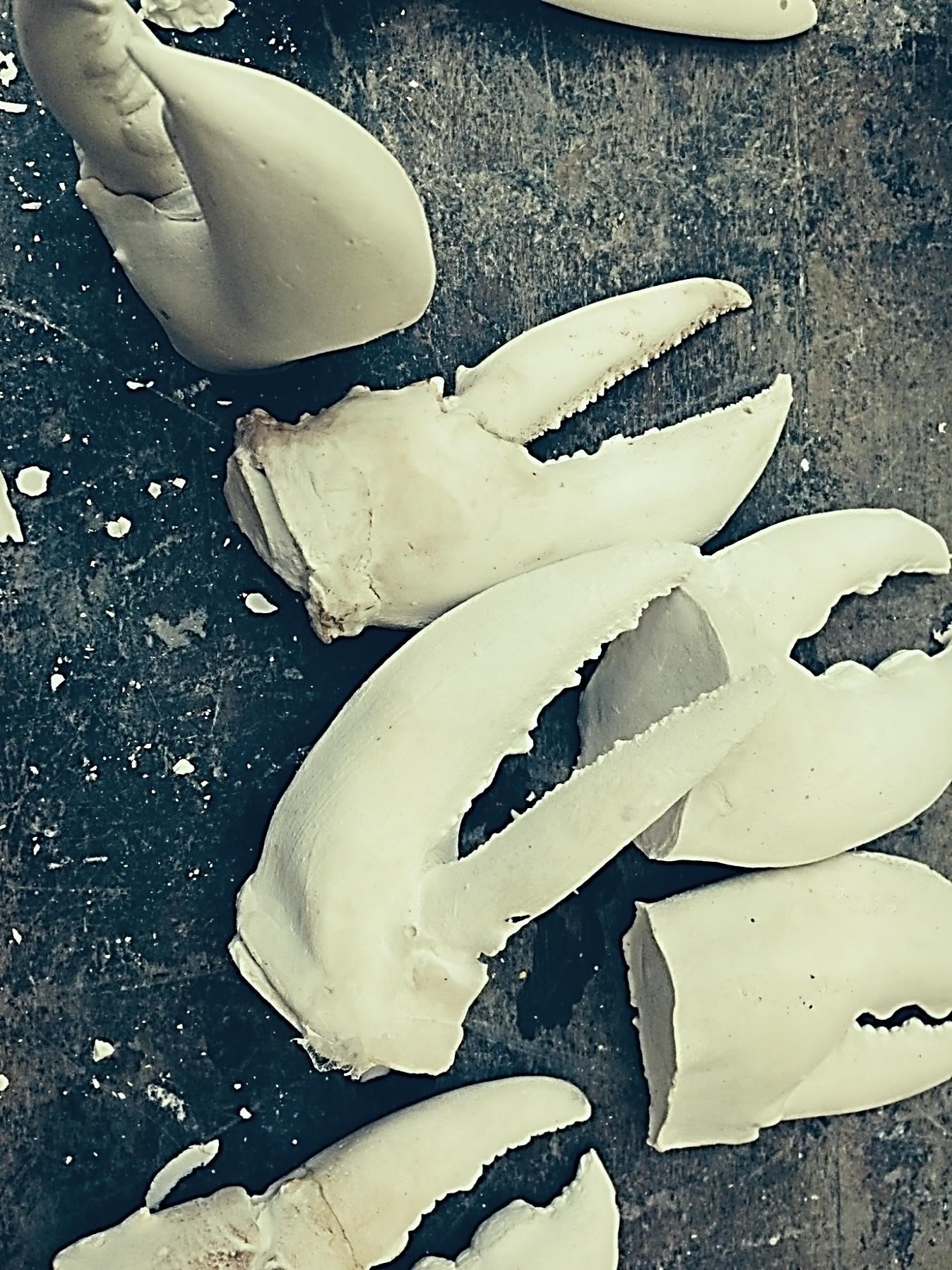
Michaela Howard - Lobster Ghosts

Lobster Ghosts

Tara Wellesley

Tara Wellesley - Mice Elf

Mice Elf

Liz Wharfe

Liz Wharfe - Untitles

Untitled

Judy Neville

Judy Neville - The Flower Show

Flower Show

Working Men’s College Fine Art students exhibit their work @ the Ruskin Gallery, Working Men’s College

Private View 29 April 6:30-8:30pm

Exhibition opens 30 April and runs until 3 June

Opening times

Monday to Friday 9am until 7:30pm, Saturday 10am until 2pm – term time only

Monday to Friday 10am until 4pm – holidays (closed bank holidays)

fine art invite


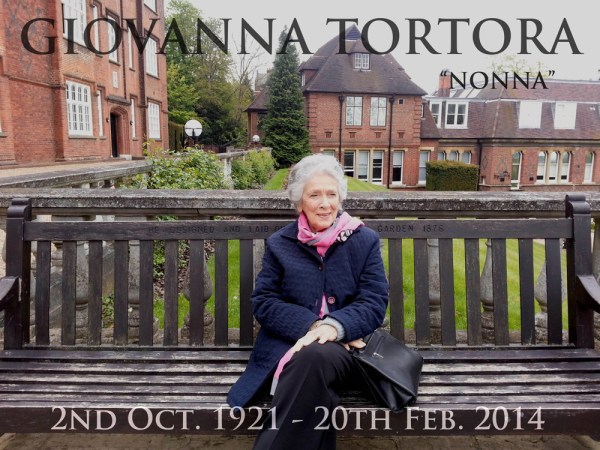
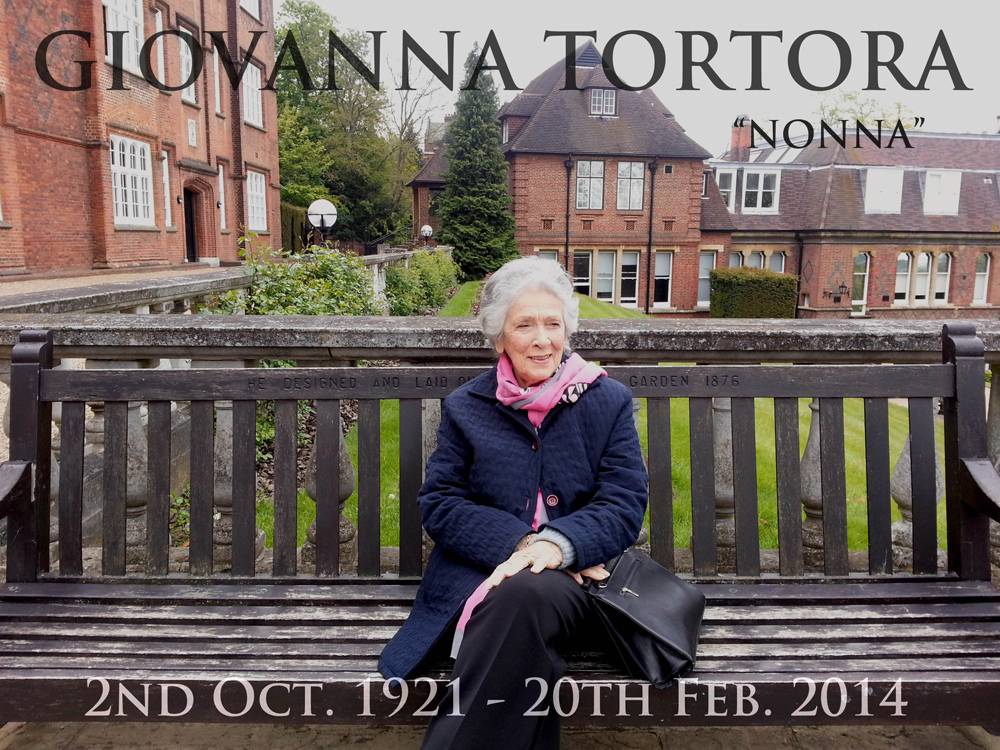
Giovanna Tortora

Image

It was with great sadness and gratitude for the life of our friend and colleague Giovanna, that this week we said goodbye at her funeral.  Her death came after a short period of severe illness, which she took bravely and dealt with in her usual way with fortitude, since she recognised that she had lived a full and long life.

                                                                                                                                                                                                                 20130502_153655  20130502_153555

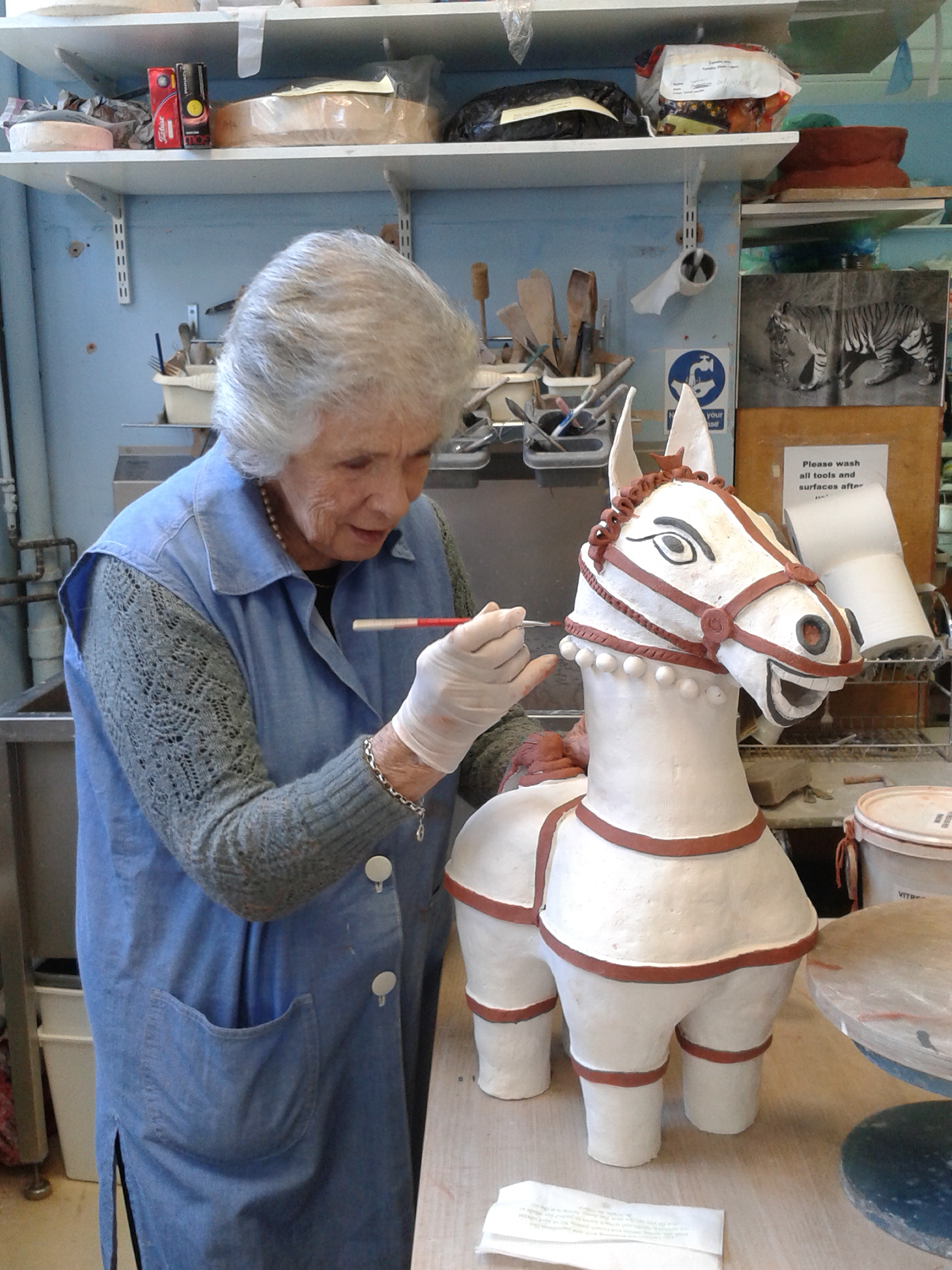
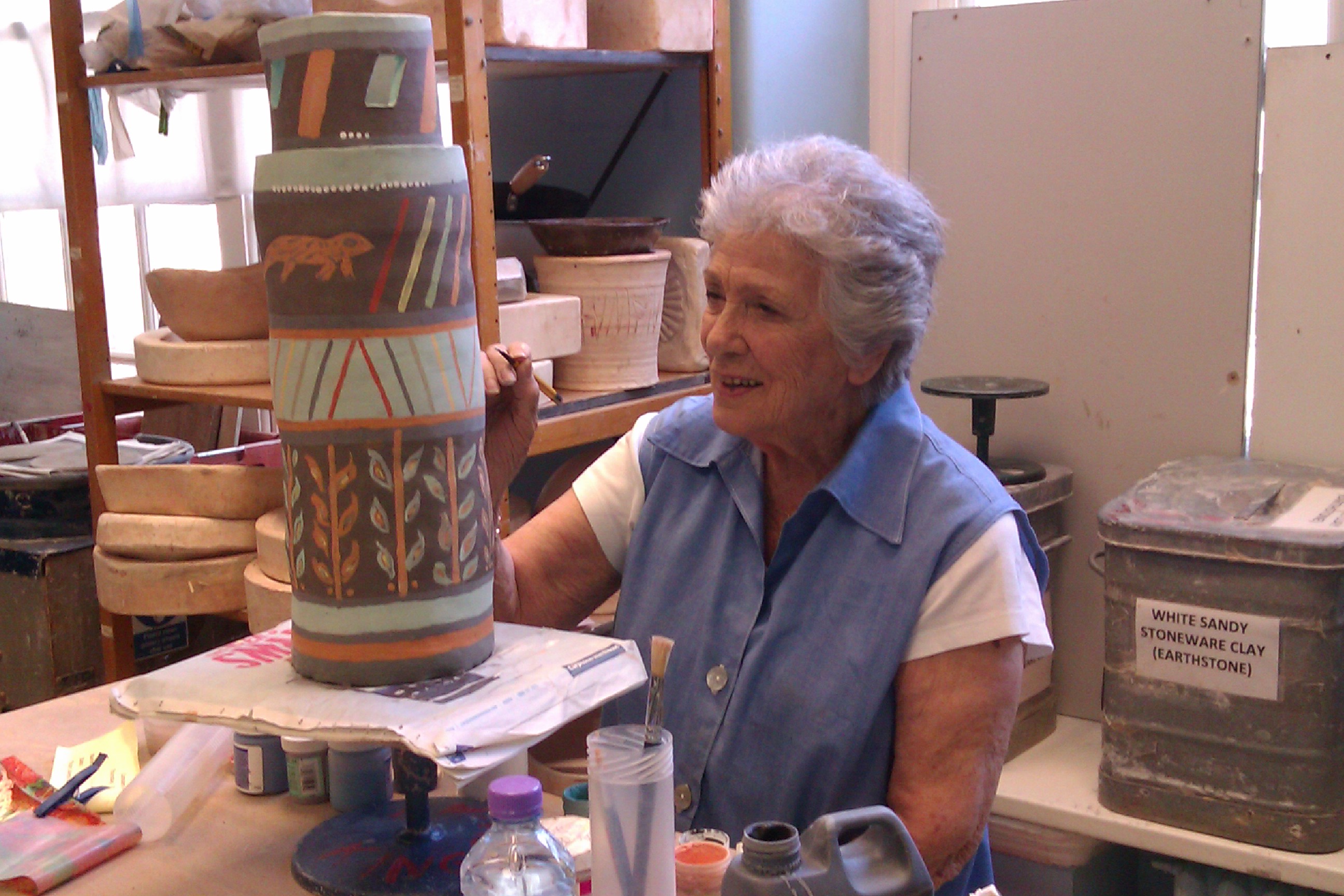
Giovanna had entered our ceramics and sculpture class six years ago at the young age of 86. This was a considerable challenge for most, but learning new skills using your third language, is not what most people would tackle at her age. However she was able to fully engage with the class and her classmates with great personal charm and warmth and physicality, that endeared her to all. She entered fully into the group and the group projects using her considerable personal skills of engagement. As an Italian woman born and brought up at the end of the First World War in Italy, she was 18 when the Second World War broke out. She left Italy after the war with many other Italians, with her husband and two children to find a new life in Venezuela, where she had to learn Spanish and adapt to a new culture. There she spent her life bringing up her family and worked as a TV host. She had a very distinct and beautiful singing voice, which we in her class at WMC were privileged to be entertained by, in tapes that she played for us. During her latter years she had stoically borne the deaths of her husband and both her children, and yet had survived and not given up after such grievous personal losses.

Image

At the Age of 80 she eventually returned to Italy and subsequently to the UK, where she had settled with her grandson and daughter. Here for the second time she had to adapt to a new language and culture, and find a new life, when most people would be daunted by such a task. She clearly embraced this challenge and here at WMC she always appeared, as one would expect from an Italian woman, with great style and charm, in beautiful dress and jewellery, which always attracted our attention, when we all appeared in the ceramics class in our old working clothes.

Giovanna therefore epitomises the ideal of a true International Woman, who had been touched by many people and cultures and life events, and who therefore integrated some of the best human qualities, that in spite of her limited English, always were fully visible to all. On International Women’s Day at WMC, we therefore would like to remember and to honour her as a full example of challenge, personal strength, energy to engage with new tasks and projects, creativity and beauty, integration of the best of cultural differences, but above all the ability to touch and respond to all of us irrespective of age, background and culture in a beautiful human way.

She will be greatly missed.

DSC02703

A fundraising page has been set up in support of the North London Hospice who supported Giovanna through her short illness.  If you would like to donate, please click the link below.

http://www.justgiving.com/Nonna

Reflective Dialogues

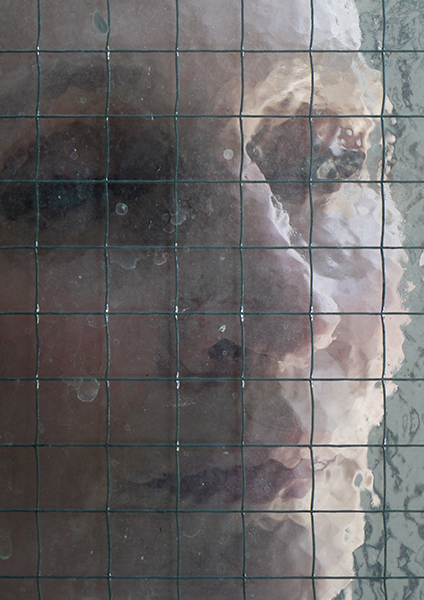
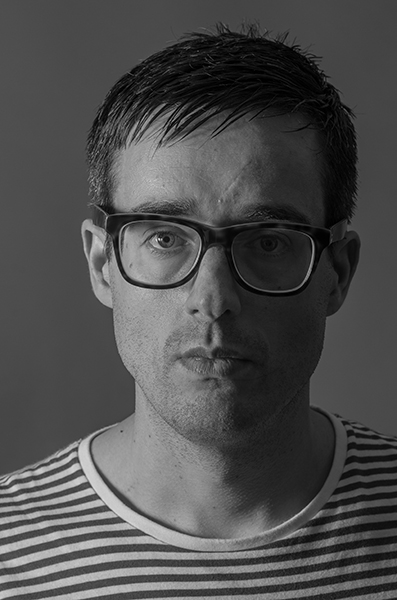
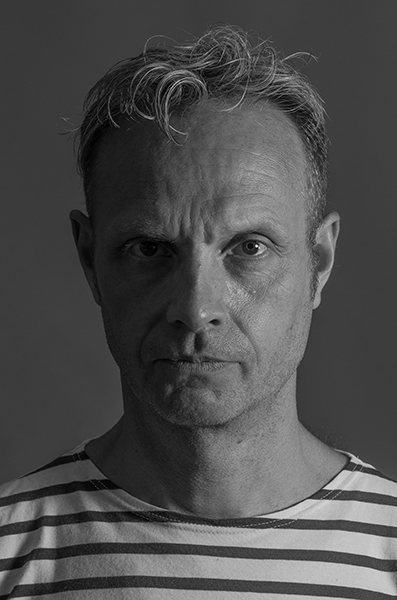
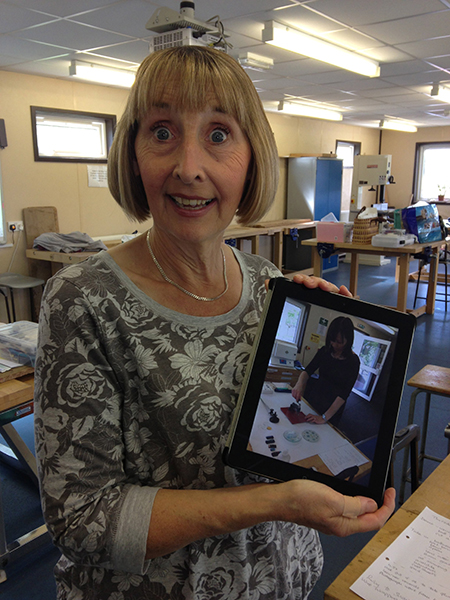
Pernille Holm-Mercer - Photograph by Clifford GabbClifford Gabb - Photograph by Pernille Holm-Mercer

Reflective Dialogues

13.11.2013 – 20.12.2013

Reflective Dialogues is the final event of an LSIS (Learning and Skills Improvement Service) funded Leadership with Technology Project which ran between August 2012 – March 2013.  The project recruited 10 Art and Design practitioners from 5 London ACL providers to pilot online learning technology.

Paul Kemp- Photograph by Dean BrannaganDean Brannagan - Photograph by Paul Kemp

The exhibition take the dialogue between practitioner and student as its starting point as well as recognising the tutors’ personal and creative practice outside teaching.  Practitioners were asked to produce an individual portrait of one of their students and ask a student to produce a portrait of them.  The two works are displayed in the exhibition as paired images to extend the dialogue between practitioner and student visually.  Works have been produced both seperately and through more collaborative processes.

Gill Webb - Photograph by Lucy WinterLucy Winter - Photograph by Gill Webb

The project management team thanks all the practitioners and student who participated in the pilot and gave up their time to feedback on their experience of using new technology.

Laurence Elliott – Leadership with Technology Project Manager

Dave Thomas - Photograph by Kim LucasKim Lucas - Photograph by Dave Thomas

‘Reflection in a key part of learning, whether looking back – at what we have experienced, or looking inward – at what is going on inside.  These actions lead to greater understanding, because they give us a sense of perspective.

Gillian Burton - Photograph by Esther PaulEsther Paul - Photograph by Gillian Burton

Collaboration requires an exchange of perspectives, embraces the insights of others, and should sharpen our focus.  This project is about the learning converation – whether between the student and the tutor – the tutor oand the college – or between the colleges themselves.  These actions lead to better education, because they give us co-operative vision.’

Victor Dejean – Leadership with Technology Project Advisor

EXHIBITION Beryl Bainbridge

EXHIBITION Beryl Bainbridge at WMC’s Ruskin Gallery

10-14 June and 1-19 July 2013

Free entry: Mon to Fri 09:30-20:30, Sat 09:30-15:30 (term time only)

BB71

Dame Beryl Margaret Bainbridge DBE

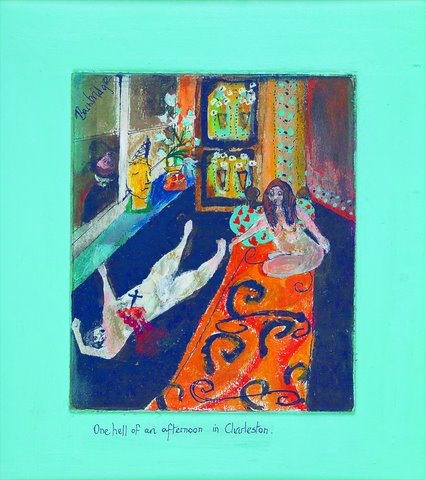
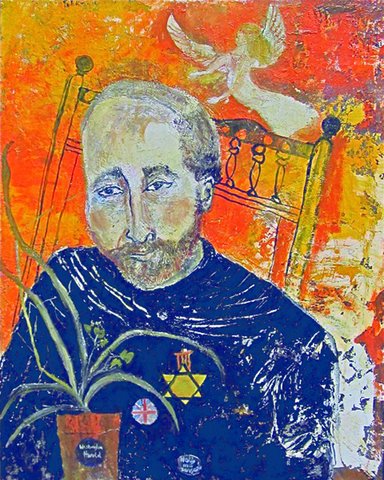
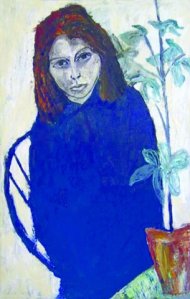
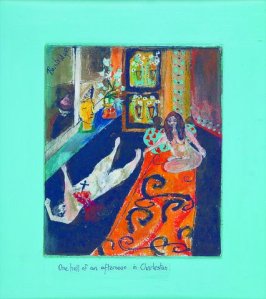
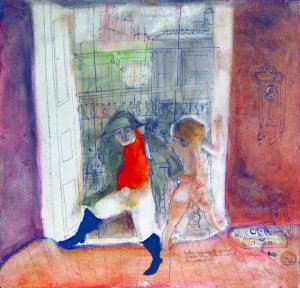
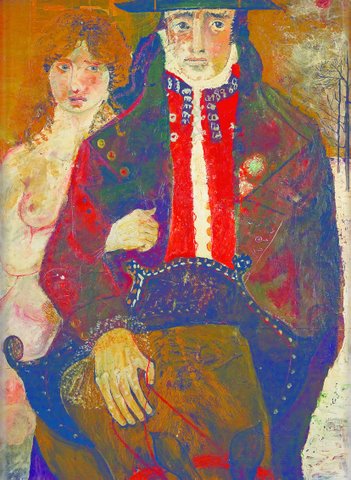
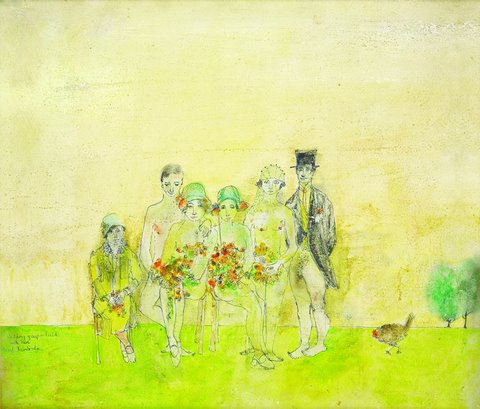
Beryl Bainbridge, 21 November 1932 to 2 July 2010, was an English writer from Liverpool. She was primarily known for her works of psychological fiction, often set among the English working classes. She was also an untrained artist using painting sales to survive as a single mother while writing novels. Using her kitchen table in Camden, her finger and often spit, she showed scenes of everyday life and political and historical fantasy. Her home was filled with unusual objects, including a stuffed buffalo.

BB118 DIGITAL CAMERA

Beryl Bainbridge might now be known as a fashionable “outsider” artist, like those shown by the Museum of Everything and currently at the Hayward Gallery. She used whatever was to hand to make work and survive. She sold large and vivid canvasses to supplement her wages, at one point as an actress with in 1961 a bit part in Coronation Street where she helped one of the characters make a Ban the Bomb placard. She was writing from an early age, by 10 keeping a diary and at 11 appearing on Northern Children’s Hour radio show, and was expelled from her Girls’ School being caught with a dirty rhyme, written by someone else.

BB69 JJ  BB67 JJ  BB2

Bainbridge began to write, primarily basing her work on incidents from her childhood. Her first novel, Harriet Said…, was rejected by several publishers, one of whom found the central characters “repulsive almost beyond belief”. It was eventually published in 1972, four years after her third novel, Another Part of the Wood.  Bainbridge won the Whitbread Awards prize for best novel in 1977, Injury Time, and again in 1996; Every Man for Himself.  She was nominated five times for the Booker Prize, described in 2007 as “a national treasure” and, in 2008, The Times newspaper named Bainbridge among their list of “The 50 greatest British writers since 1945”.

BB29 JJ BB27 JJ  Beryl Bainbridge - Paintings.  Beryl Bainbridge - Paintings.

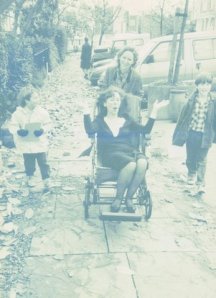
Beryl Bainbridge’s best friend, Psiche Hughes, was involved with Beryl’s family and estate, in the Liverpool Museum exhibition of Beryl’s paintings, for which she contributed objects and stories from her long history with Beryl. Their friendship and Beryl’s life including her writing and painting is documented in Psiche’s book published by Thames and Hudson.  In 2003 Beryl told The Guardian: “In 1965 having left my home town of Liverpool, and living in a top-floor Hampstead flat, I gave birth to a daughter, expelled in a thunder storm but with nothing suitable in which to wash her, until Philip and Psiche Hughes in the ground floor flat came up trumps and loaned their chicken casserole dish.” Beryl and Psiche became and continued to be best friends and later both became students at Camden’s Working Men’s College.

BB18  BB16 JJ  Beryl Bainbridge - Paintings.  BB11 JJ

Psiche Hughes, a former lecturer in Latin American and comparative literature at the University of London, has published several translations of prose and poetry.  Psiche currently studies ceramics at Working Men’s College.

For more information: estherw@wmcollege.ac.uk

To reserve places at the Talk: events@wmcollege.ac.uk or 020 7255 4748

TALK by Psiche Hughes  Beryl Bainbridge Artist, Writer, Friend

(also the title of Psiche Hughes’ book published by Thames and Hudson)

Thursday 13 June 2013 7pm

Free but to reserve a place: events@wmcollege.ac.uk 020 7255 4748

At Working Men’s College, 44 Crowndale Road, Camden, London NW1 1TR

Beryl Bainbridge: Artist, Writer, Friend by Psiche Hughes, published by Thames and Hudson, £19.95. Copies available for sale on Thursday 13 June.

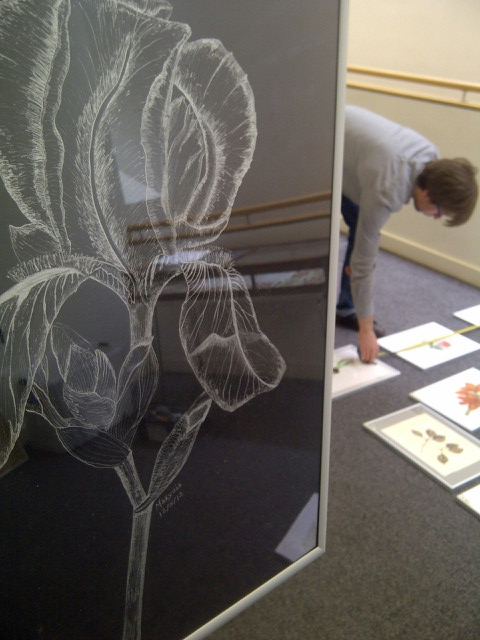
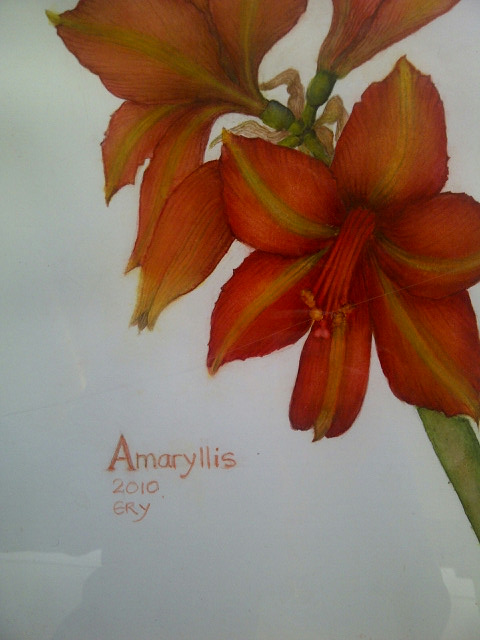
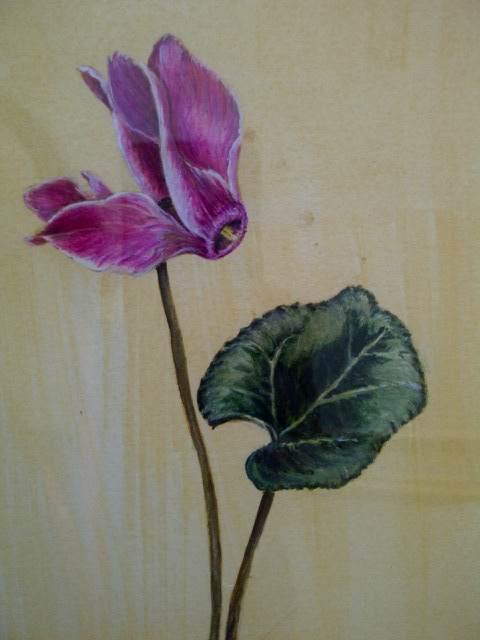
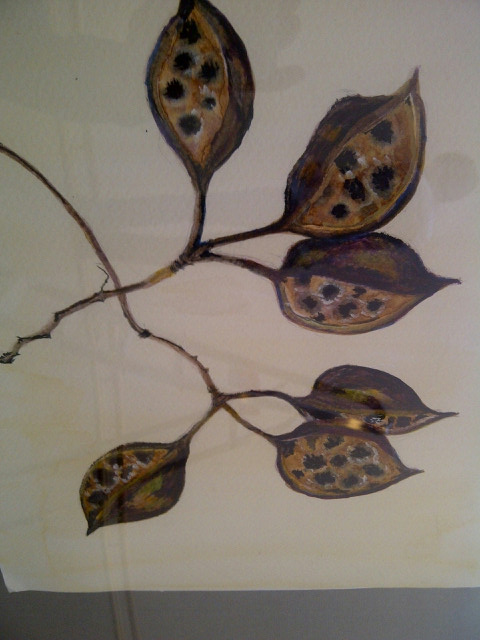
Botanical Drawing Students

Botanical drawing 17 May – 31 May  2013

Open Monday – Friday 9.30-8.30pm

Saturday 9.30-3.30pm (term time only)

Camden-20130517-00229

Artists: Elizabeth Barnes, Claudia Colia, Judith Cook, Ann Fusi,  Clare Gerrard, Silvia Acost-Palmer, Alison Freefard, Marysia Kratimenos, Keren Mc Connell,  Kate Squire, Jenny Stokes, Yi Ynin Tsao, Elizabeth Young.  

In the 17thc before the advent of photography, observation recording and learning about science through nature, was done via drawings, often of exacting and elaborate detail.  Originally for the propose of identifying plants and gathering knowledge botanical drawing at working men’s college was a firmly established part of the curriculum in the 1800’s, along with Bible study, discussions on issues of empire, politics and social reform and accompanying vocational skills. between 1750 and 1850 –on its origins and the pre-classical era; on ancient herbals and the Renaissance period, featuring Leonardo da Vinci; on Dutch and German painters, including Dürer, and work by American artists Catesby and Bartram from the early 18th century, as well as Linnaeus, the plant classifier, and a host of explorers and travellers. Many of the 250 images, from the archives of the Royal Botanic Gardens at Kew, have rarely or never been seen before.

Camden-20130517-00233 Camden-20130517-00230

Botanic art’s golden age was heralded by global explorations of Russia, India, China, South America, Japan and Australia by individuals like Sir Joseph Banks, Franz Bauer and Francis Masson who depicted their bounty of new found lands, like Strelitzia reginae by Bauer, in those days they must have seemed as exotic as a bird of paradise.

Botanical drawing has enjoyed a return to fashion in coffee table books, lifestyle supplements and areas of fine art – a nostalgia for looking and not snapping point and shoot style along with a romance for nature. Today’s renaissance in botanical drawing does not have the same function as in the past, now it’s about preserving cultural values; of slowness, gardens, Englishness, the hand tended and picked.

Our Botanical Drawing course was inspired by Working Men’s College’s historical connections with artists such as Dante Gabriel Rosetti, William Morris and in particular, John Ruskin. The study of natural forms and traditional methods were once the core of art lessons in the college’s early years. Ben Senoir the course’s tutor – has his own artist interest in historical and traditional methods of drawing and painting. As such,sessions often include painting in the ancient technique of egg tempera and discussions of the work of past ‘Old Masters’ such as Chardin, Caravaggio and Zurbaran. Today it is also focus for contemporary debate as our concern for the environment and fragility of plants is critical in the context of post industrial society and global warming.

Open to all levels – students join the course to improve their objective skills of observation and their techniques of painting and drawing. Students have used the course to enhance their  professional practice as well as their own leisure interests.

Camden-20130517-00236 Camden-20130517-00237

Archive Today

Archive Today

8th March – 26th April 2013
Open Monday – Friday 9.30-8.30pm
Saturday 9.30-3.30pm (term time only)
Easter holiday closed: 29 March – 14 April

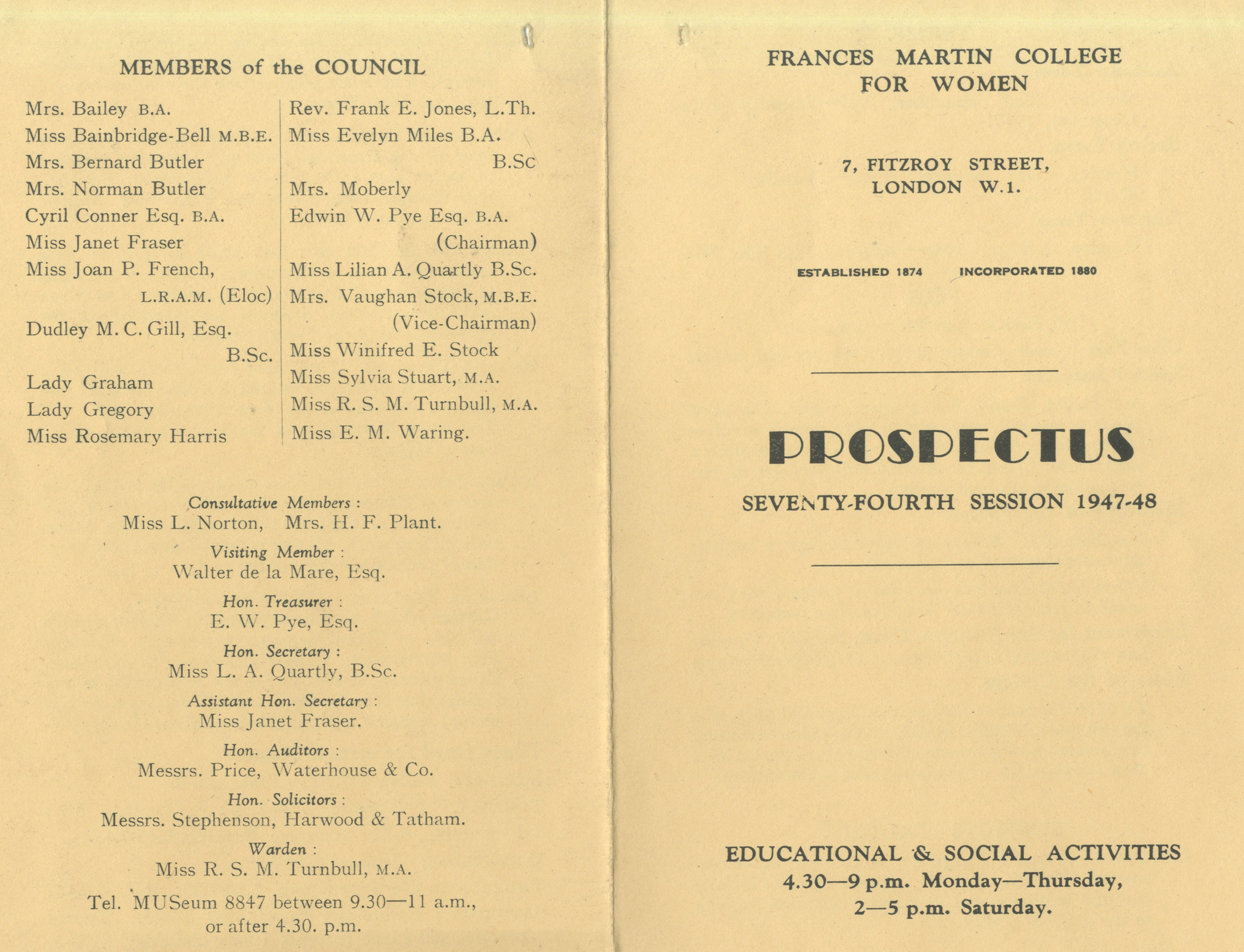
archive francis martin 1974 1874-1974 1

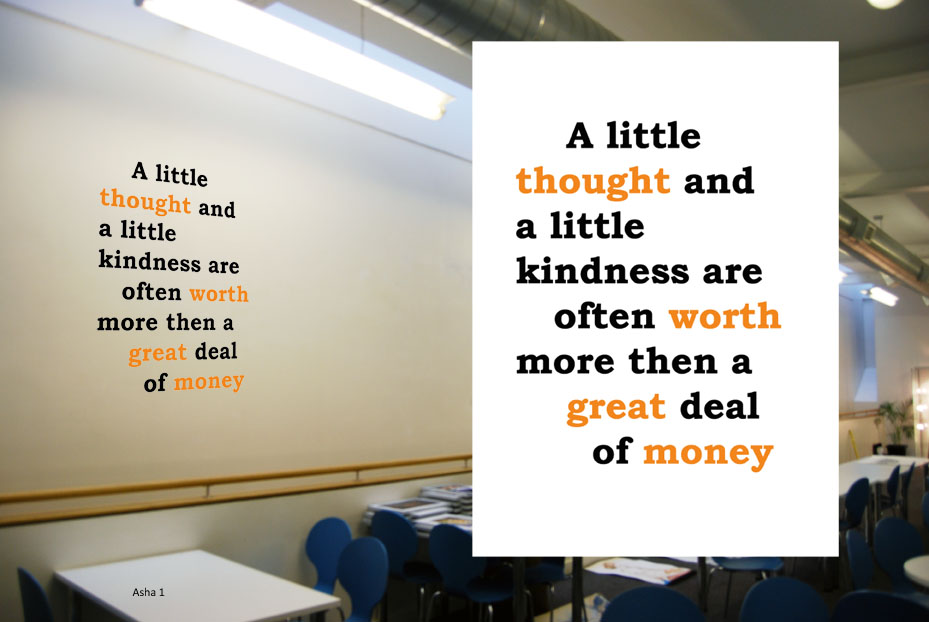
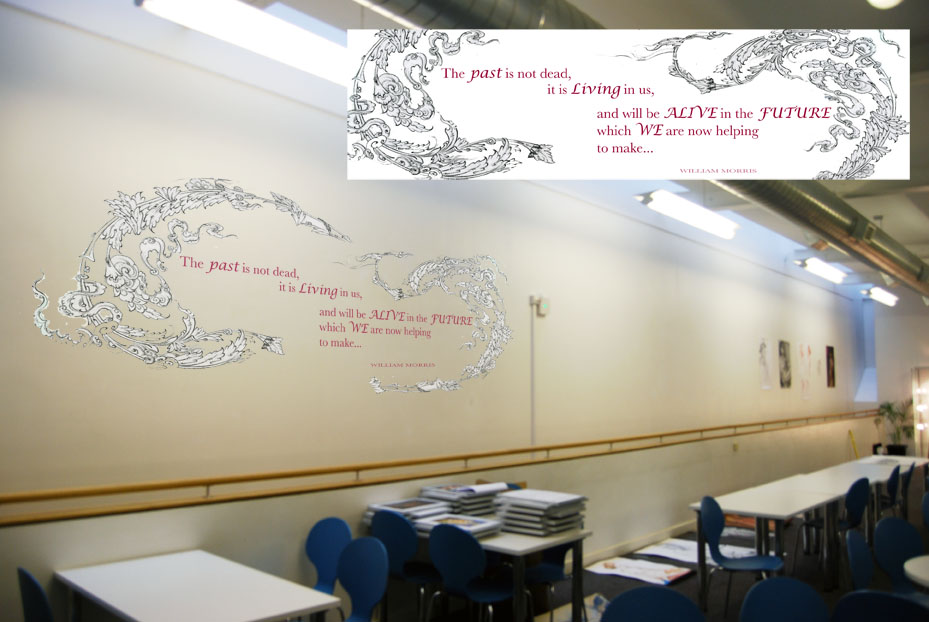
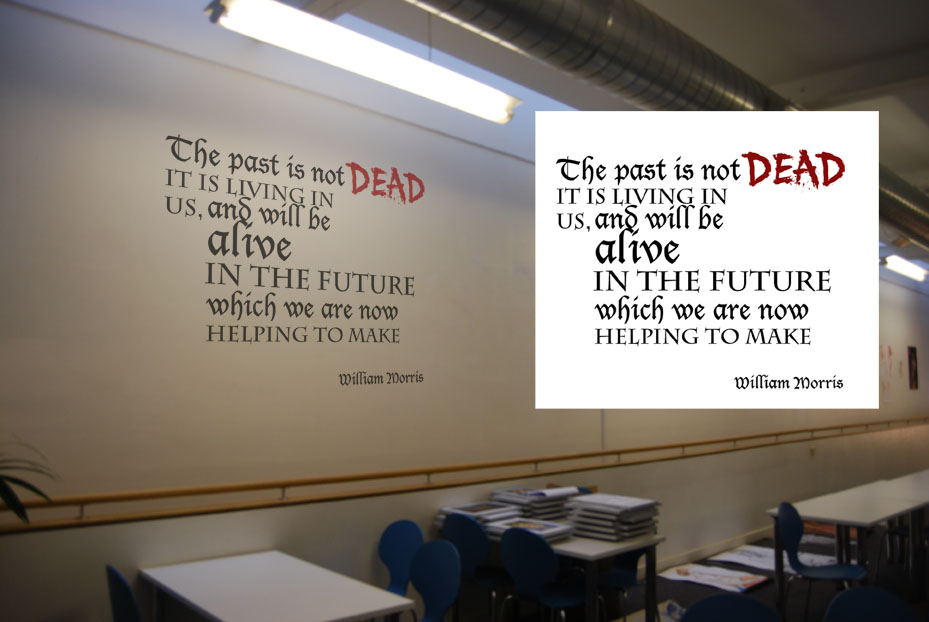
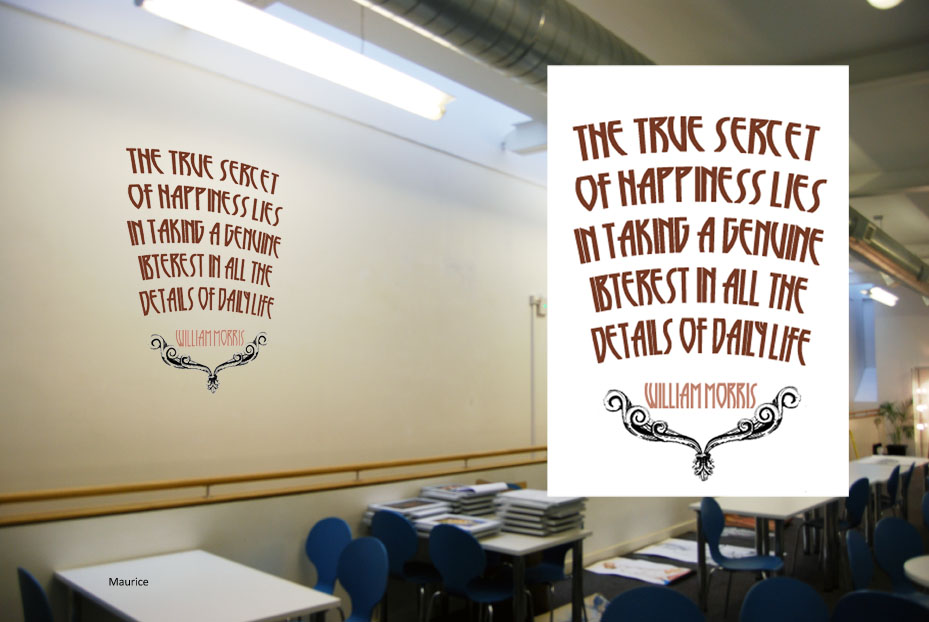
Corridor vinyl texts: Maurice Mitchell, Asha Gonzales and Tina Meehan

Asha 2 Asha 1

Asha 3

‘A little thought and a little kindness are often worth more than a great deal of money’ -John Ruskin

‘Have nothing in your house that you do not know to be useful or believe to be beautiful’ -William Morris.

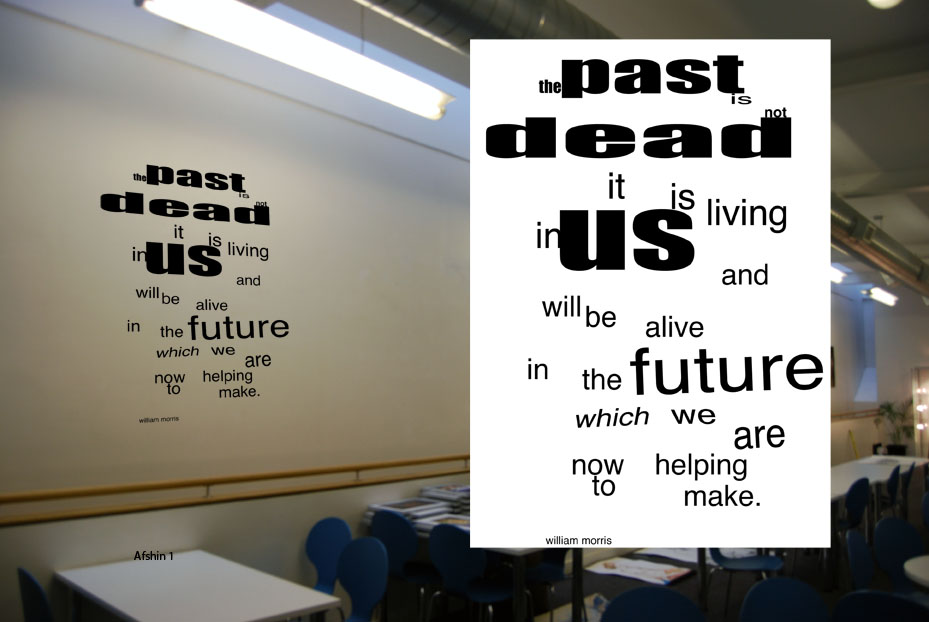
Afshin 1

Fin Tina Afshin 2

‘The past is not dead. It is living in us and we will be alive in the future, which we are helping to make’ -William Morris.

Corridor & Galllery posters, journals & photographs: Working Mens College Archive

Gallery Cabinet: polystyrene cups, Maurice Mitchell; wood blocks, Asumpter Amber

Iris

‘Fine art is that in which the hand, the head, and the heart of man go together’ –William Morris

Gallery Vitrine: Ceramic tiles, Kiloran Benn O’Leary
and
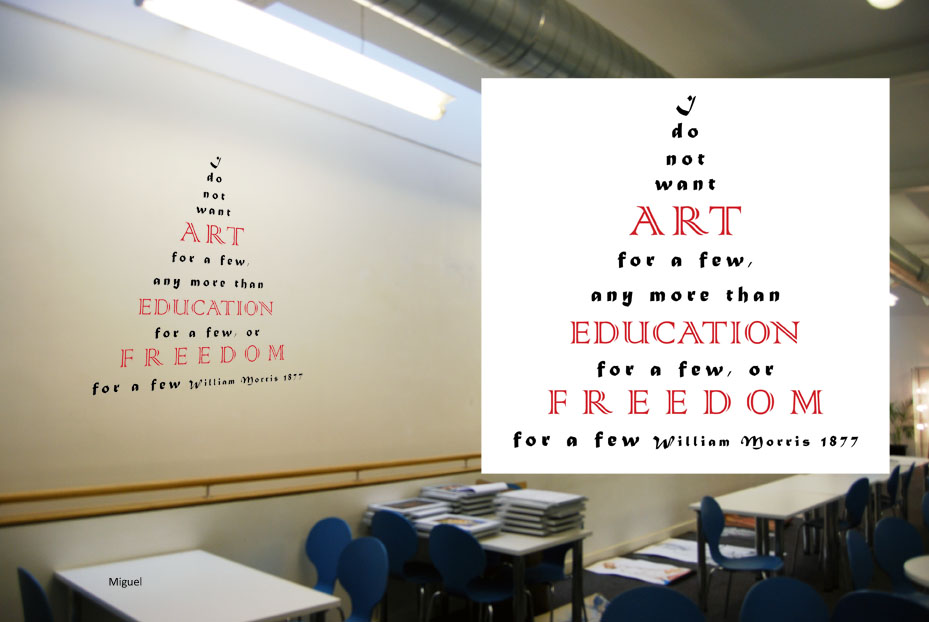
Large triangle gallery text: Miquel Angel Alorcea
Both read

Miguel
‘I do not want art for a few any more than education for a few, or freedom for a few’ William Morris.

Maurice

Working Men’s College is pleased to present the work of artists from Art Foundation, reinterpreting ideas of founding fathers of the College, John Ruskin and William Morris. Using drawing, graphics, hand painted ceramic tiles, vinyl lettering, polystyrene cups, and wood printing blocks, to bring history to life. These commissioned installations decorate the ground floor corridor running through the heart of the college, alongside archive posters dating from 1854-1960’s, advertising adult education courses in vocational skills and art and design, along with hobby clubs, public lectures on politics of the day, and music, literature and theatre performances. The historic, early modern graphics and printmaking, alongside contemporary vinyl texts of 2013, complement each other and the architectural features of the building, including: high ceilinged corridors, rounded windows, and internal squared glass panels, embodying early modernist values, of simplicity and style for purpose.

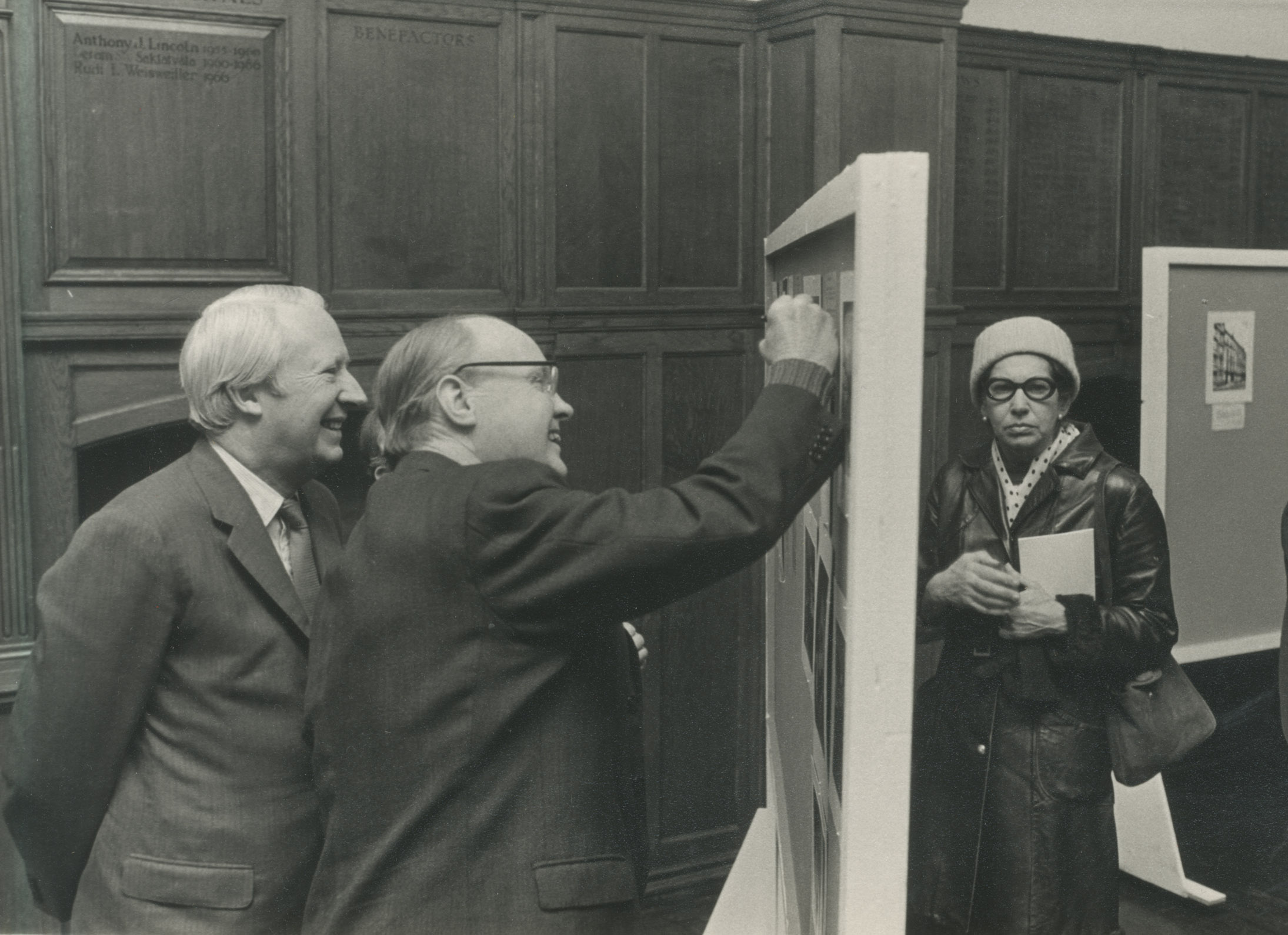
Archive-Heath-hat art lady2 Archive-Heath and beryl B  1

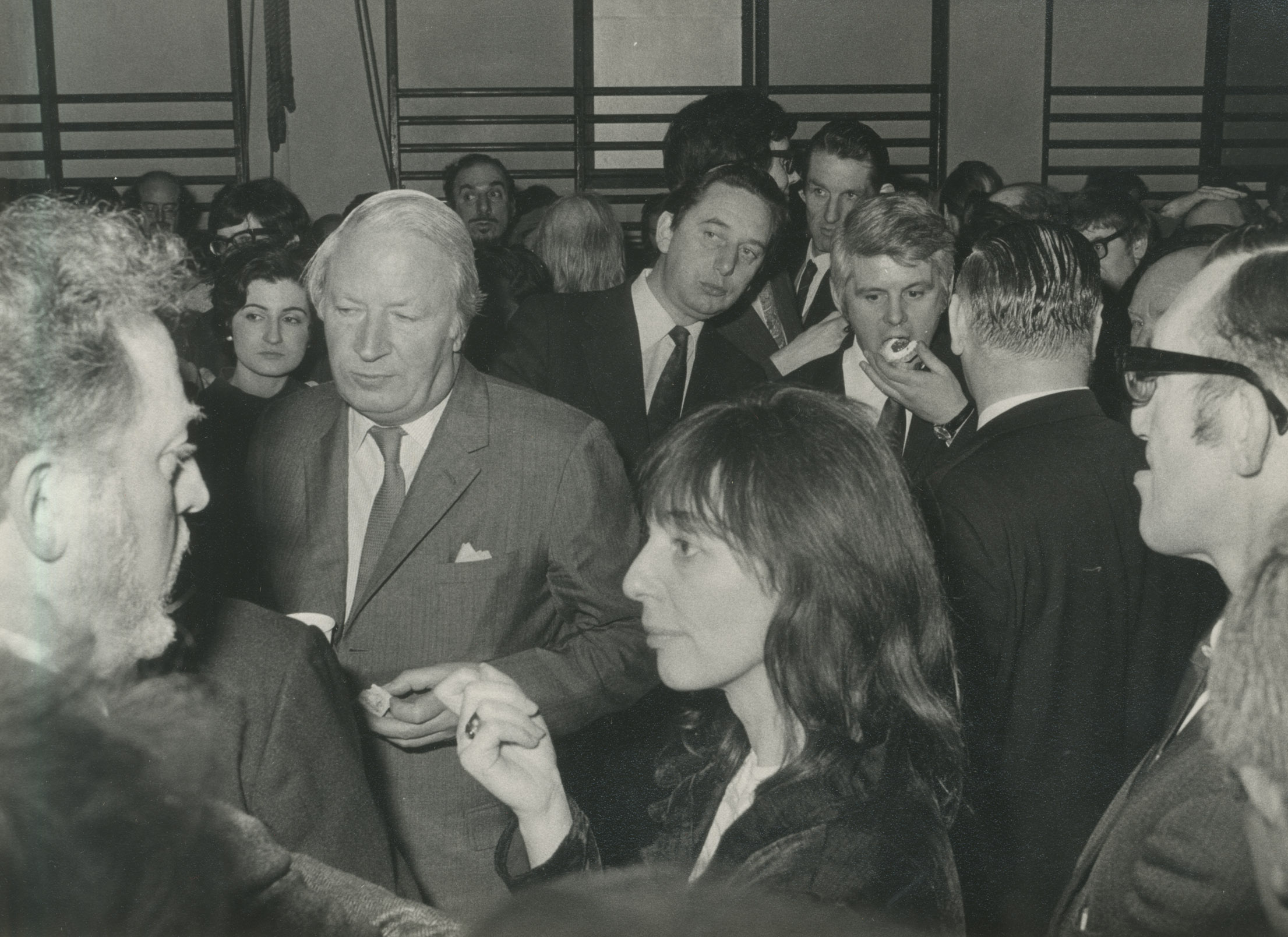
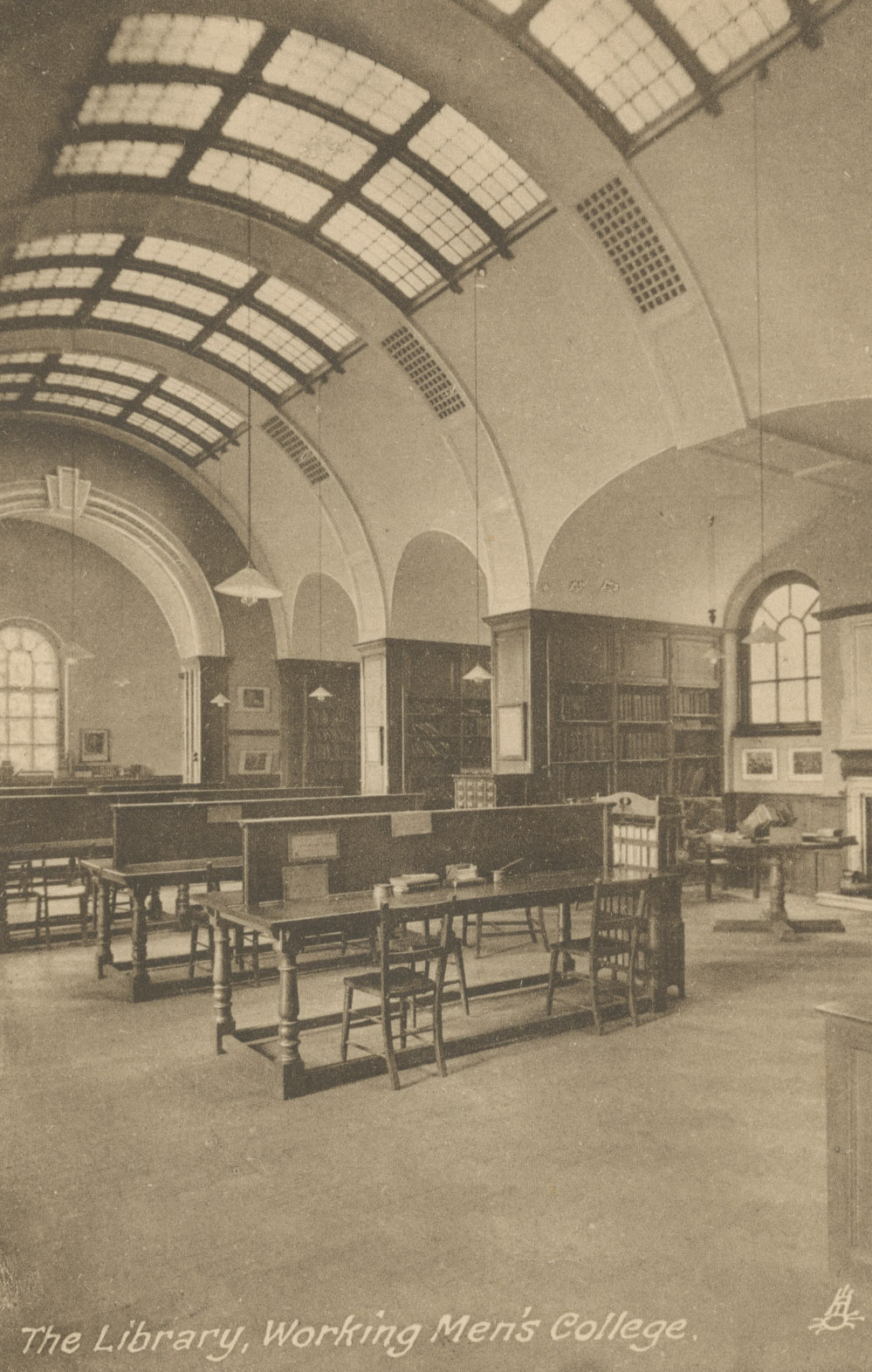
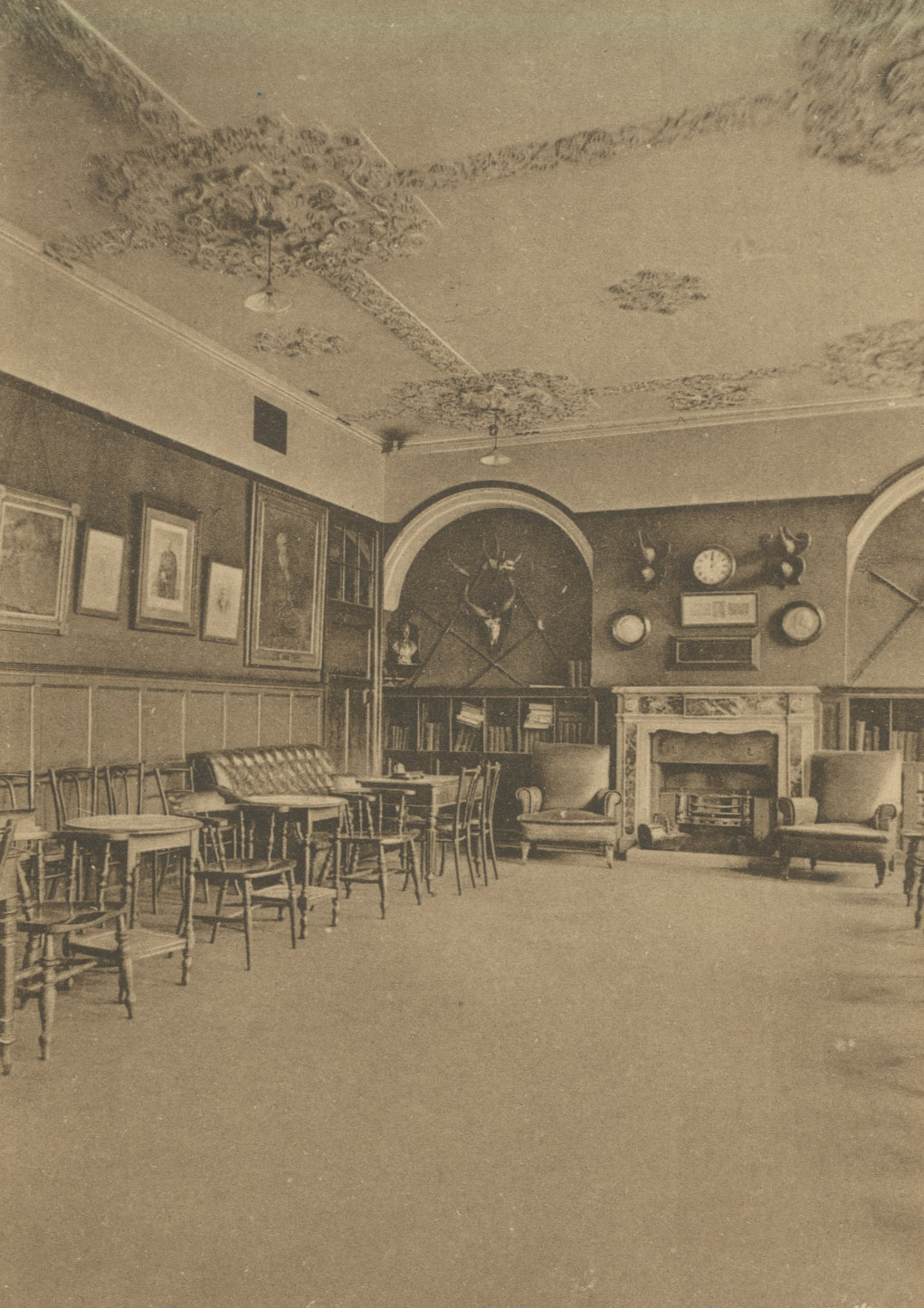
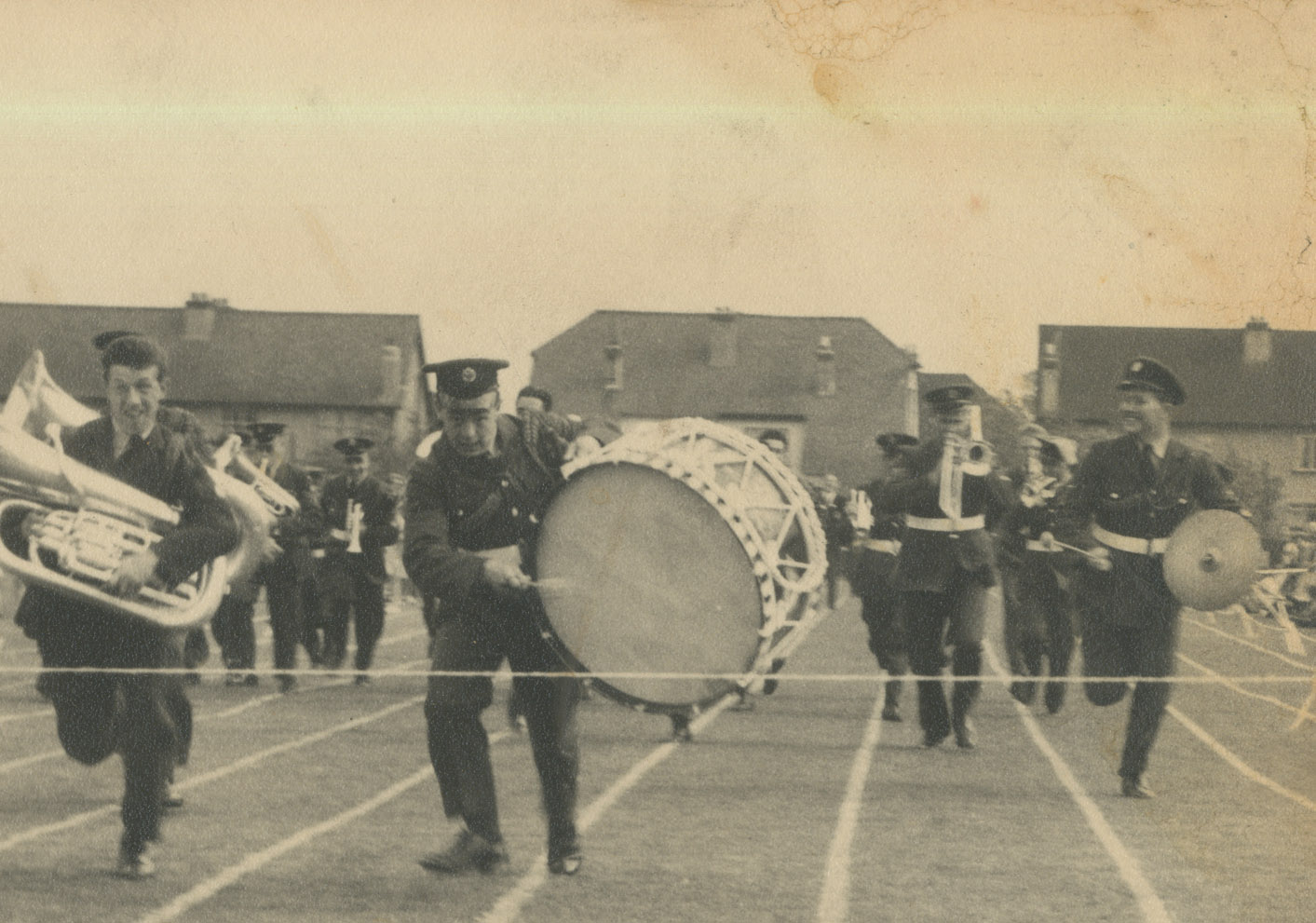
Work continues next door in the Ruskin Gallery, along with archive photography showing activities and personalities of the college from 1850’s to 1970’s, including founders, governors, teachers, clubs, students, art classes, halls, studios and library, complete with intact architectural features and furniture. Queen Elizabeth and Edward Heath also feature as visitors to the college, along with protesters outside college and students in art class, sporting mini skirts and male long hair. The photographs are scanned from a very small selection of archive, the larger part now being housed at London Metropolitan University. There is also a selection of banners, contextualising and giving historical, information, which were produced, by a scholar from Cambridge University

archive queen 1

Part of the archive material, shows a pamphlet from the Francis Martin College, founded in 1874 to continue the original mission of the Working Women’s College when the latter opted to become co-educational. It was renamed Frances Martin College after her death in 1922 and merged with the Working Men’s College in 1966. It was radical and reforming, as it was committed to the skills training of young single women.
There is much that was radical in the establishing the Working Men’s College, which informs what it is today. A backdrop of the Industrial revolution with the emergence of a printing press, photography, travel, a public sphere of newspapers and coffee houses, a new industrialist middle class, documented by Habermas, and women campaigning for the right to own property, have the vote and an education.

archive postcard room 6

The architecture and archive of the college, tell the story of revolutionary and Avant-garde thinking of the Philanthropists, Pre-Raphaelites and Christian socialists, but central to Working Men’s College was the unique relationship of teaching and learning. As well as teaching subjects, that would empower and emancipate a working person to move freely in society and work, there were: group excursions, theatre productions, music recitals, slide shows, furnivalls and class teas, where teachers and founders of college, got to know each other. Teachers would invite students to their homes or keep their office open, to welcome students and encourage the idea of membership and fraternity. WMC also recognised the crucial importance of the arts in politics and life, to promote equality and well-being. These principles are upheld still at WMC today.

archive postcard room 1

To explore educating women and men for 150 years and International Women’s Day, the gallery has two paste tables, asking for students, staff and visitors knowledge of history and prominent women at Working Men’s College. Women and less formal characters are often left out of written and officially recorded history, so this history might be with people who use and know the college, live locally or passed on in oral, spoken histories.

This exhibition does not intend to give an accurate, complete or representative view of Working Men’s College archive and history, but rather seeks to utilise and remind us of the value of history and values of the college which are remarkable, very relevant and more important than ever today. As William Morris said:

The past is not dead. It is living in us and we will be alive in the future, which we are helping to make.

garden party 54

Contact curator at estherw@wmcollege.ac.uk or leave a note in her pigeon hole, (ask reception where), if you want to leave contact details or have longer information or stories about Working Men’s College history and Women at Working Men’s College.

Foundation Diploma Art and Design Students – PLAY

PLAY

WMC Foundation Diploma Art and Design Students
Supported by the Mayor of London’s Office AND Camden Town Unlimited

PLAY Flyer

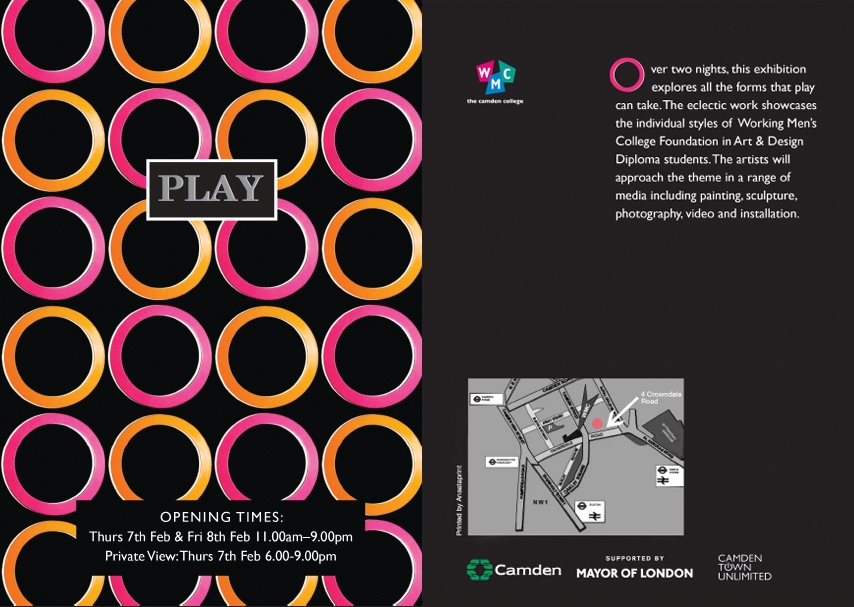
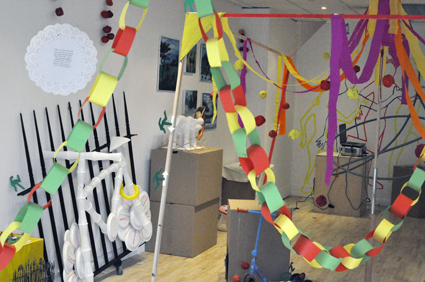
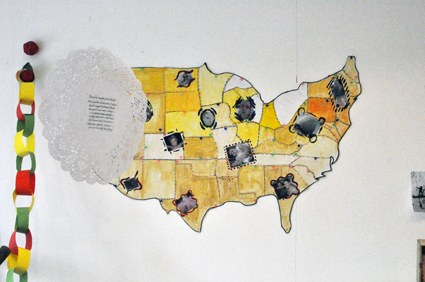
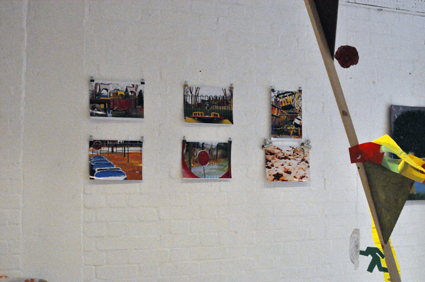
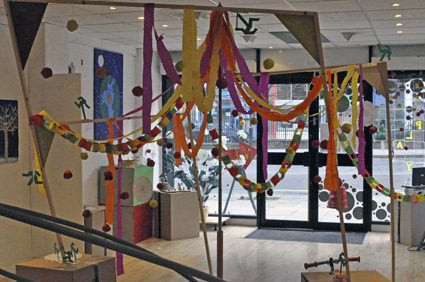
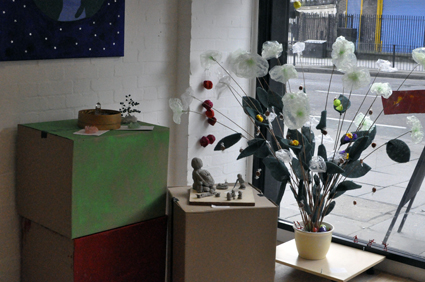
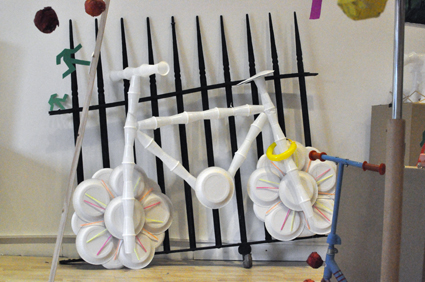
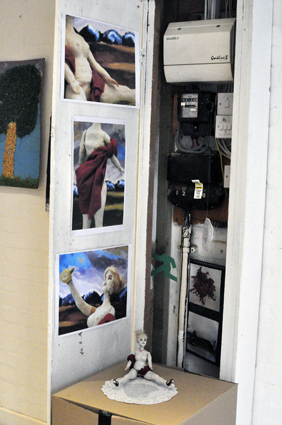
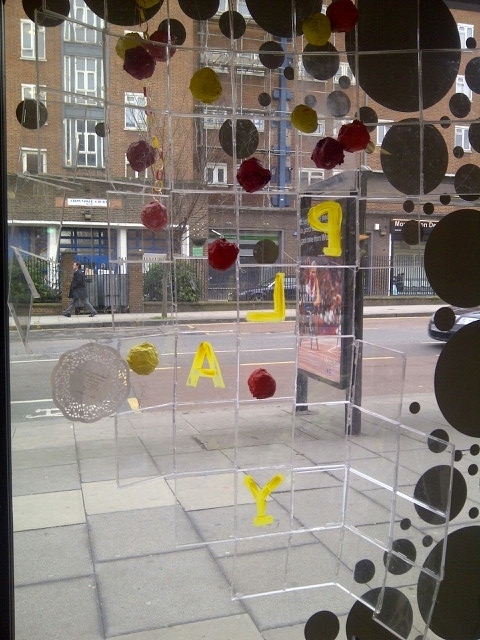
With the support of the Mayor of London’s office and Camden Town Unlimited, Fine Art students Djelal Ispanedi, Anna Mahoney, Anne Murray, Pam Tierney, Helen O’Donoghue, Onur Yildirim, Kengo Wa Tama, Paige Phillips, Josie Ayers, Sarah Faulkner, Siobhan Beaton and Primož Klanjšček  on the Art and Design Foundation Diploma were presented with the opportunity to put on a two day event in an empty retail space next door to the college. Working within their chosen theme of ‘play’, their interactive exhibition of painting, video, sculpture, photography and installation explored the many forms that play can take. Not content with showcasing their work within a conventional white cube gallery space, the students produced a site specific backdrop full of colour, commentary and humour.

_DSC0004 _DSC0016

_DSC0019 _DSC0022

_DSC0023 _DSC0027

_DSC0032 _DSC0036

_DSC0037_DSC0042

 Camden-20130208-00177 Camden-20130208-00184

Camden-20130208-00188 Camden-20130208-00193 Camden-20130208-00198

_DSC0010

Foundation Degree interim Show

Fine Art and Design Professional Practice

Interim Exhibition

11th  January- 16th February 2013

Open Monday – Friday 9.30am-8.30pm

Saturday 9.30am-3.30pm (term time only)

Artists:

Coreen Bernard, Melissa Caplan, Alexandro Carboni, Felicity Field, Lucia Fletcher, Orla Flood, Clifford Gabb, Jane Musgrove,
Maggie Pettigrew, Bekki Perriman, Rita P Smith.

Working Men’s College, Ruskin Gallery are proud to present the work of students on Fine Art Foundation Degree in their second year.  Inversions, absences, shadows, repetitions, domestic life and an inside out way of looking, are all conjured in this thoughtful and carefully realised collection of works.
005 bands11
Bekki Perriman

Experiments in Everyday transformations 4 Weapons of Mass Distraction
 Orla Flood 
Exif_JPEG_PICTURE
Jane Musgrove

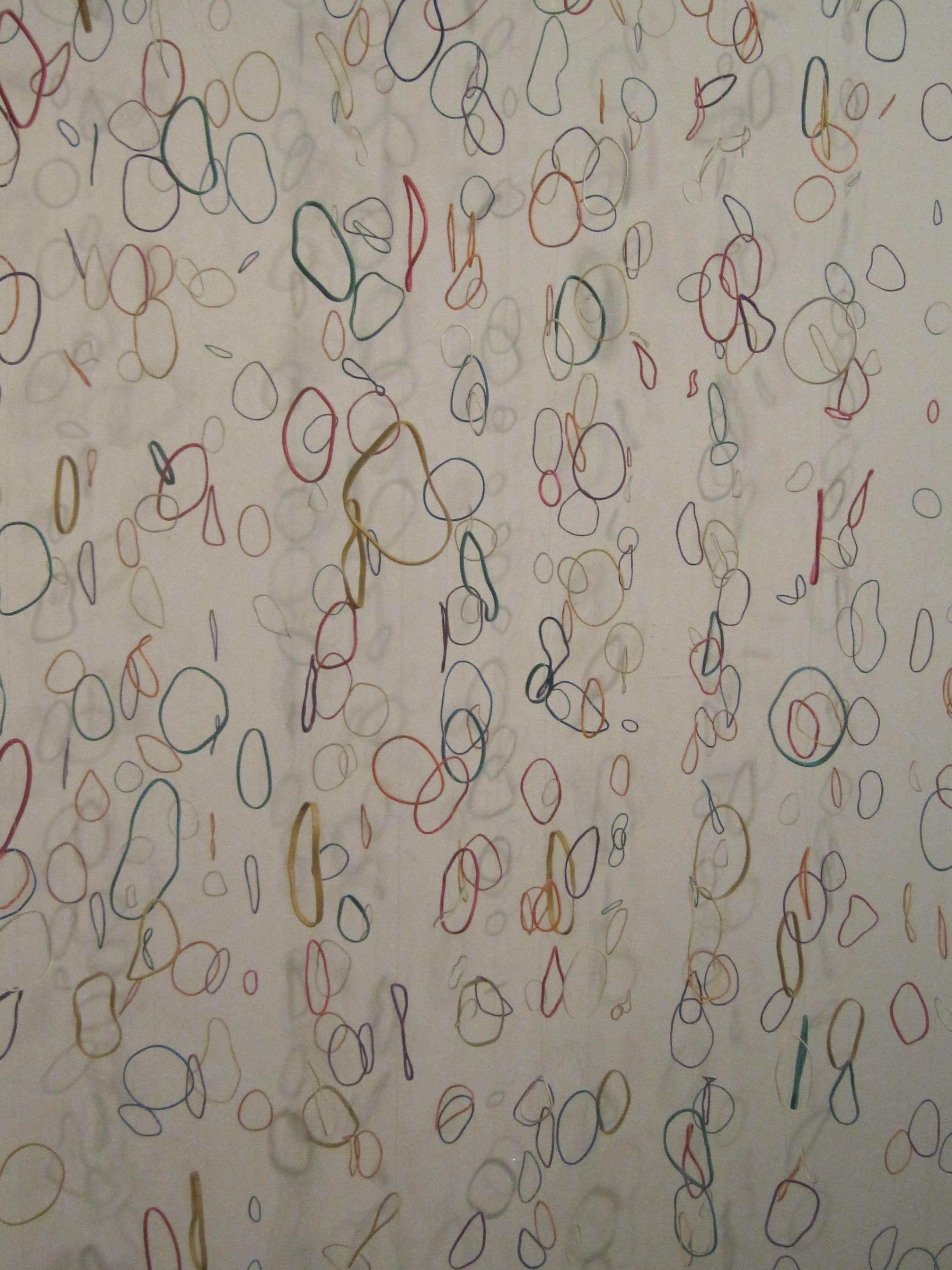
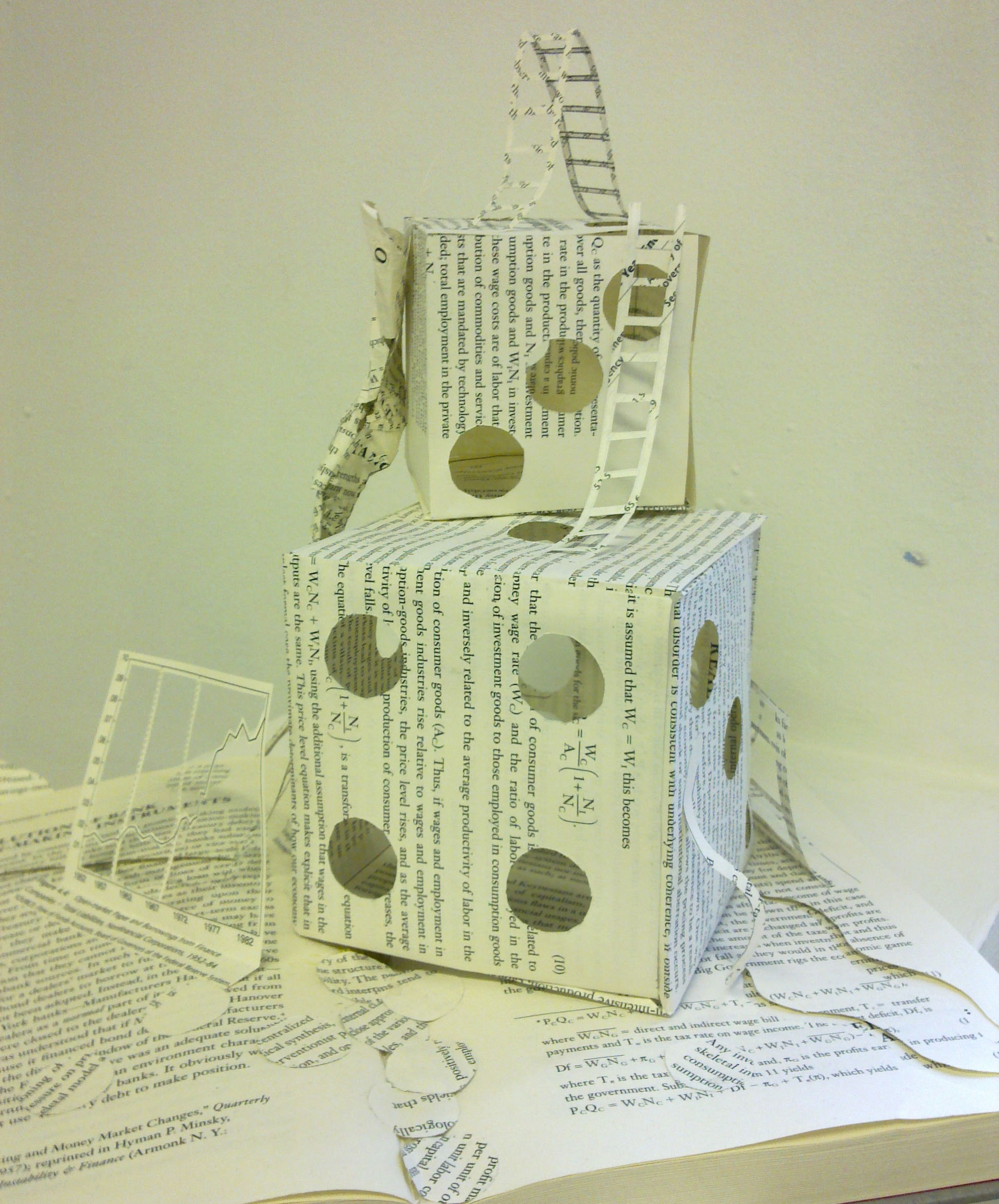
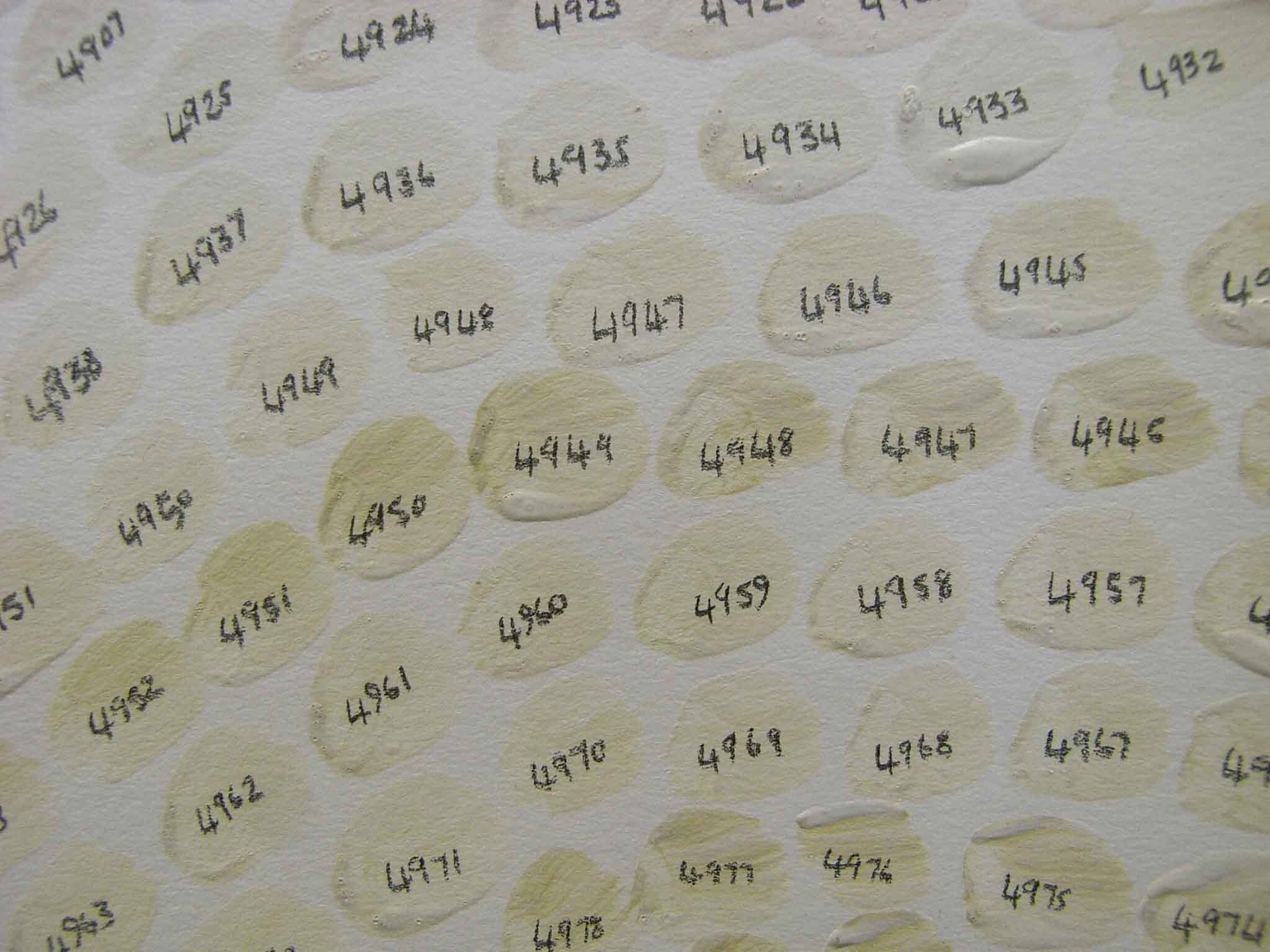
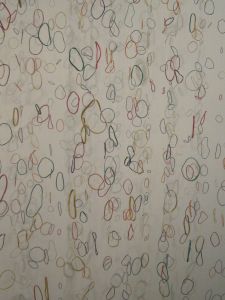
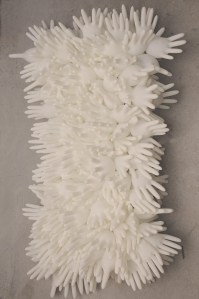
Bekki Perriman’s Curtains of multi coloured elastic bands make a drawing in space, a little forest of raindrops beside a house of cream and green kitchen sponges from Alessandro Carboni, set against a landscape pencil drawing, documenting in little bubbles, the days in dates, the artist, Jane Musgrove, has lived. Intricate paper cuts, into books of socio political texts construct sculptural forms that sprawl out of the spines and pages, over a plinth and glass cabinet shelves, from Orla Flood, recalling Micheal Landy’s infamous installation critiquing consumer capitalism.  While white inflated, surgical gloves, cascade from an adjacent wall, like menacing hands or doves of white plastic, in Melissa Caplan’s sculptural painting.
 melissa caplan

Melissa Caplan

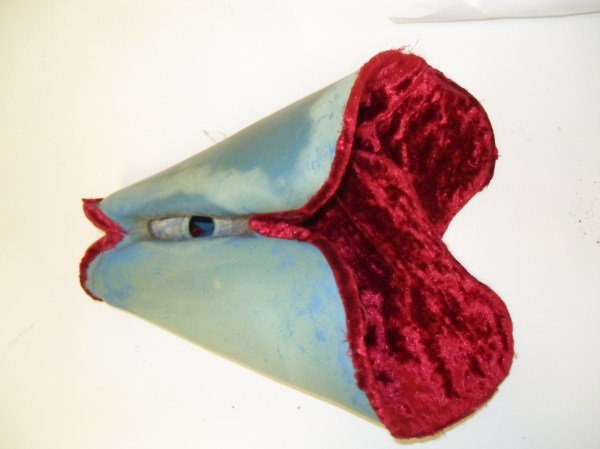
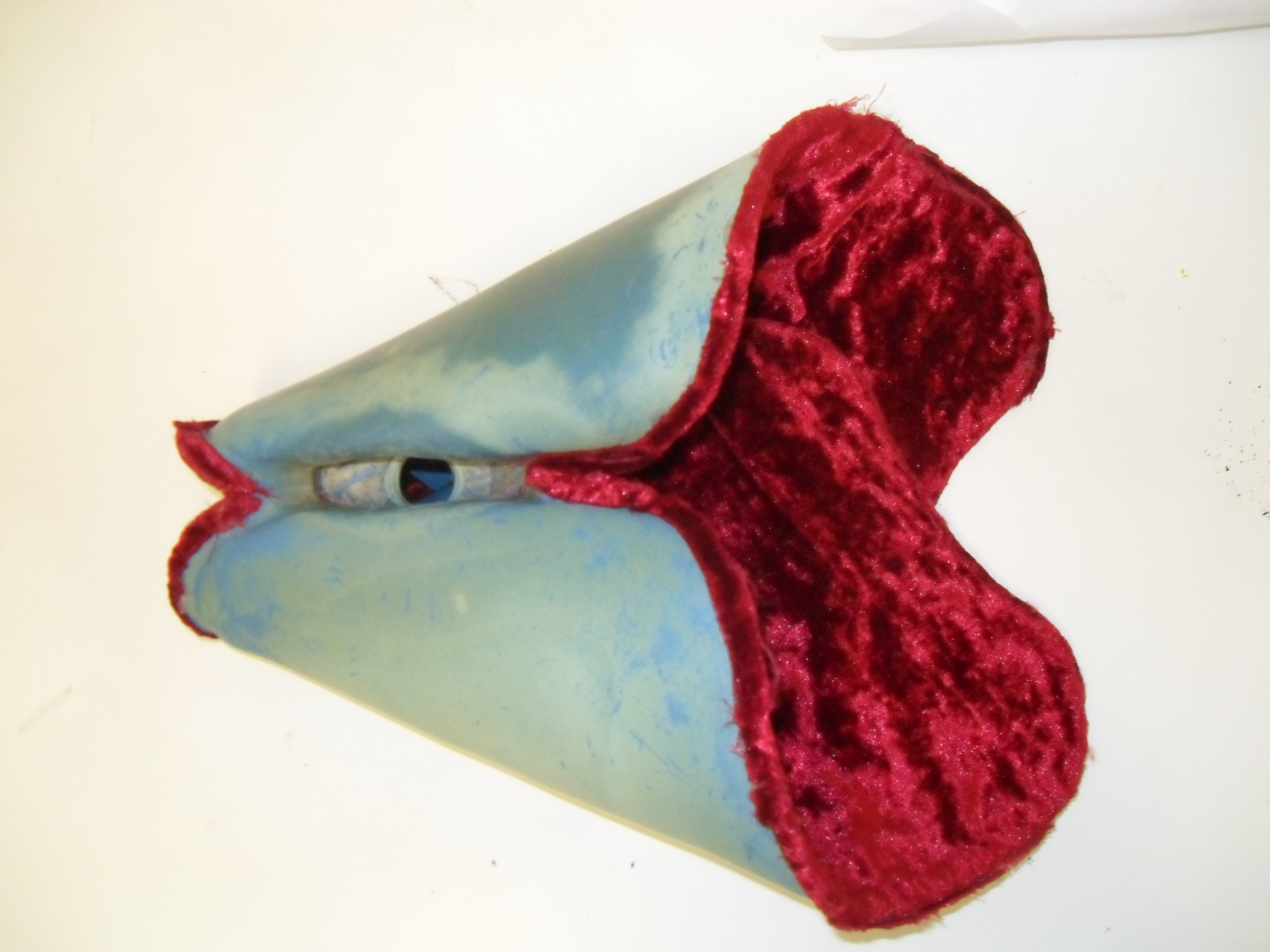
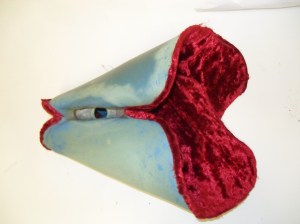
Nearby a cabinet of apparent archaeological, extracted natural material, made by Clifford Gabb, charts layers of time and a rust support says decay is vital and essential to this. Felicity Field’s inside out hot water bottle with red velvet and hanging bicycle wheel, over the stairs, echo the gestures of inverting and exposing to see better what lies beneath, inside and forgotten.
Flicity Field

Felicity Field

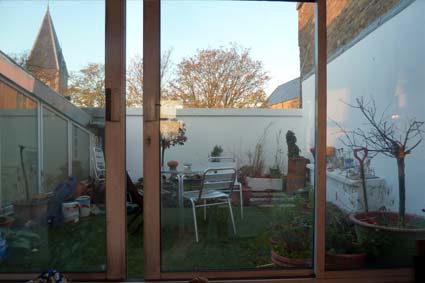
Amongst the wall based grids of screen and photo work are Rita Smiths daily documentation of an identical vista in melancholy November, from the window of a soon to be departed and ‘downsized’, family home. The light changes over the days, speaking quietly of the layers of memory and passing of time. Immortalizing a moment and slowing down time. A protest against forgetting, This is a theme in several of the works here, but Jane speaks of poignantly, describing her own work:

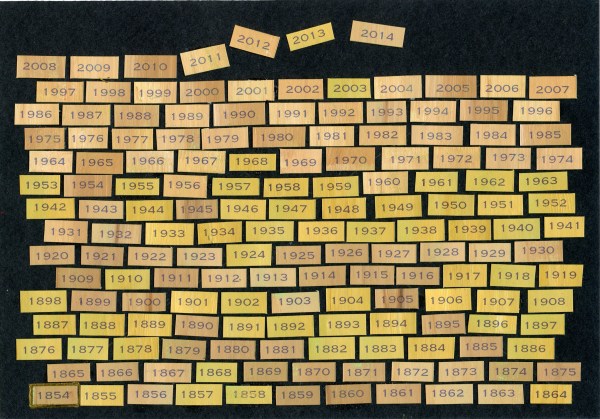
I thought about the passing of time, our subjective view of our lives, and how we can feel that we are merely existing when we fail to appreciate and value ourselves.  I began with a calculation of how many days I have lived 18.781 back in August 2012.  I decided to make a mark for every day to represent an inhabitation of time.  My aim was to reach the present but I felt I would not achieve this number of marks on the paper.  I did, and there are marks left over which will be filled.  Of course there cannot be an end, until I have lived my final day, so this work could go on and on although this piece will appear finished….This work has taken over four months to complete, working an hour or two at a time and being completely absorbed.  During this time, I have felt completely focused and alive, living my days and working with a connection and meaning that I do not normally experience.  Time working on this has been much more than an existence; I am much more than I think I am and perhaps we can all relate to this in some way or other.
Rita Smith

Rita Smith

Coreen Bernard’s Obama faces overlaid with swastikas are reminiscent of Warhol‘s photo silk screen prints and chart a moment in history and politics, in a repetitious fashion, that reminds us that history, like art, does repeat itself, even if it looks different. She says: this piece reflects and queries the current political headlines of President Obama’s re-election in the USA. It highlights the radicalism of racial ideologies that have existed and still exist in the US; the apparent opposition to change that has been brought about with the election of America’s first ever African-American president, and the cultural collisions that have coincided with this.

Lucia fletcher’s graphic forms depict and reproduce movement and space in a carefully choreographed set of images, where a typesetting-like application, plays back a word as an uninterrupted dance sequence, where the dancer’s body temporarily makes positions recognizable as letters. Maggie Pettigrew’s installations, of family members, and another of conversations on the street, documents and records bereavement in a shrine and in the other draws attention to language as witness to being. Both make reference to sculptural space but also a personal, participant observer’s view on life outside, around her and in her own history.

This experience of echos of internal states in shared spaces is something Bekki relates in her work, Reflections – Ten days on the street. (Not shown here but in a previous show and which I think may be a, precursor to her elastic band piece):

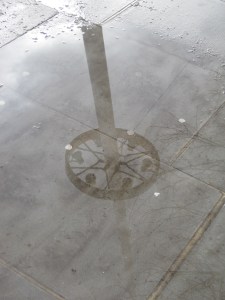
Puddles interest me as a reflection of another upside down world and the beauty in the mirrored images that is so easy to walk past.  I spent a day re-tracing the steps of the time I slept rough on the streets of Central London and photographed puddles in some of the places I used to sleep.  I was thinking about the transitory nature of homelessness, how invisible you can feel and that while most people are sleeping inside their homes you are out on the streets, yet the next day there is barely a trace of your existence and no one really knows you have slept there.  I chose ten places as a picture of ten days on the streets.  These are all real places I used to sleep and each of these places holds memories for me. I wanted to use the puddle photographs as way of capturing a moment in time, making permanent something that will be dried up and invisible after a few hours of sunshine.  I turned the puddle photographs into postcards.  At first glance they could be read as a paradoxical take on postcards of popular tourist destinations in London and the fact it is always raining.  When you turn them over I have written “Where I slept last night” a simple statement to make people think about homelessness.  

Bekki’s elastic bands like raindrops would be absorbed by Alessandro’s sponge house, and in these works, whether something stands where there was nothing, or real becomes a story, all the artists here explore the process of signification.  The ability and desire we all have to transform experience and things to mean something and communicate for us.

This course is led by Pernille Holm Mercer. She says: I have dedicated a large part of my professional life to teaching art and design in Higher and Adult Education. The interrelation between academic research and studio practice has been a central and constant concern. I have a joint BA Honours degree from Goldsmiths College in Art and Art History, a theory-based MA in Visual Culture from Middlesex University as well as a practice-based MA in Printmaking from Wimbledon School of Art. Finally, I have a Ph.D. in Fine Art from Goldsmiths College.  My academic research has covered feminist theory, British object-relations, and French philosophical discourse in relation to contemporary art. My practice-based work engages with notions of play, process, and intersubjective relations. I use a variety of media, including drawing, printmaking, photography, ‘sculptural’ objects, and video.

The Art and Design Professional Practice Foundation degree is validated by Middlesex University. You can graduate after two years with an FdA and go into the work place, or apply to top up your FdA to BA Hons at this University or on other degree course nationally.

Esther Windsor. WMC Curator
Blog at WordPress.com.

Up ↑