Lowes Dickinson Prize 2012

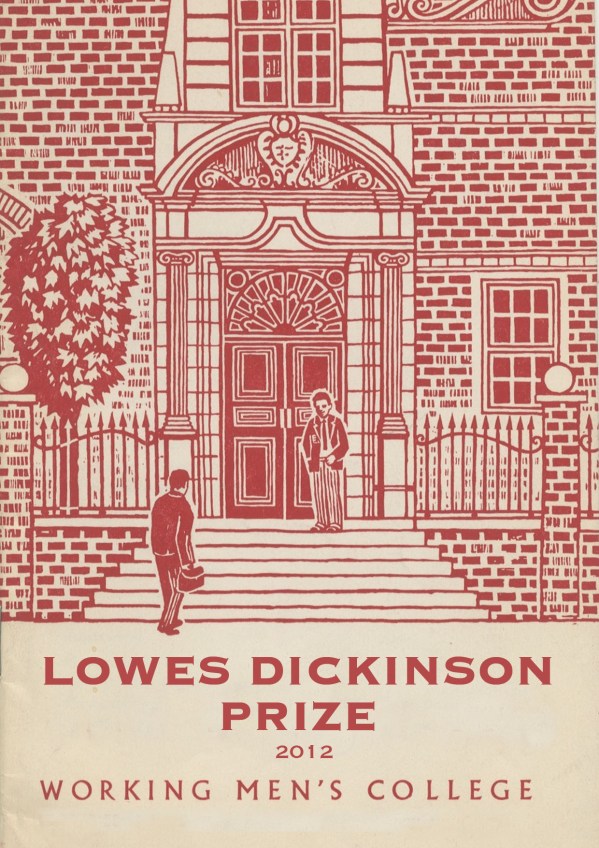
Lowes Dickenson

Prize 2012

Exhibition

22 November – 14 December 2012
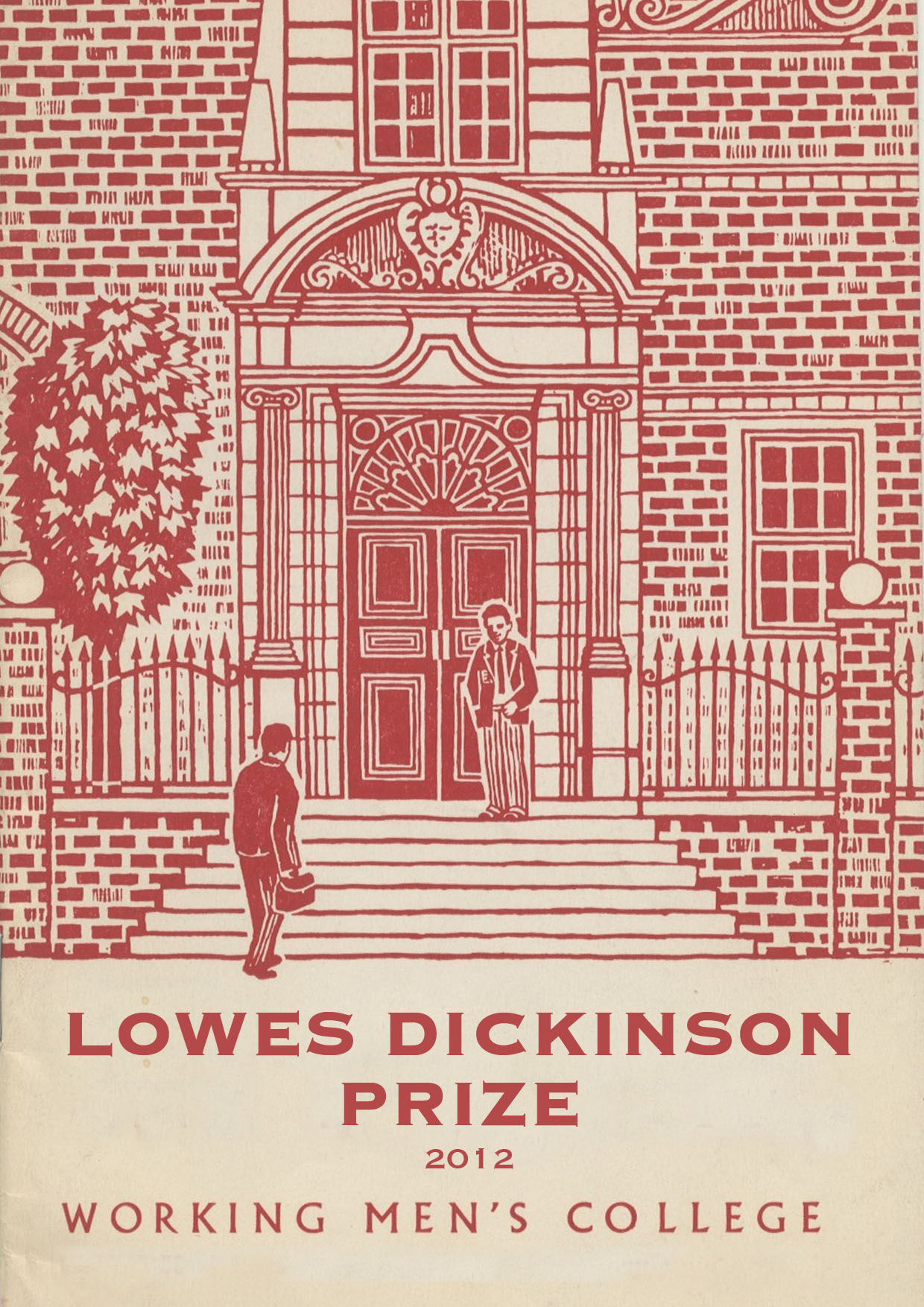
 LDP NEW cover copy

Artists and writers:

Josie Ayres, Michael Baker, Beate Bechtold, Elizabeth Bordass, Amanda Cannon, Melissa Caplan, Fionnuala Condell Dominic Delargy Clifford Gabb Alfonso Jimenez Primoz Klanjsek

Scarlett Mannish, Marlene Martinez, Carl Nolan, Matthew Parker Bekki Perriman Andrea Popa Konstantinos Primerakis

The working men’s college is pleased to present the work of writers and artists taking part in this years Lowes Dickinson Award. The Working Men’s College offers an annual £1000 pound Art prize for its students called the Lowes Dickinson Award. His children also established a travel award for students in his memory.

Lowes Cato Dickinson (27 November 1819 – 15 December 1908) was a portrait painter and Christian socialist. He taught drawing with Ruskin and Rossetti. And was a founder of the Working Men’s College in London.  He corresponded and worked with the central participants of the Pre-Raphaelite Brotherhood,[6] lecturing with both Dante Gabriel Rossetti and John Ruskin.[1] With other Christian Socialists, Dickinson founded the Working Men’s College, London, in 1854,[7] a college to provide a liberal education for artisans. He was an enthusiastic follower of the Christian socialist movement, and painted other Christian Socialists including Charles Kingsley,[8] Thomas Hughes, John Malcolm Forbes Ludlow, John Westlake, Frederick James Furnivall, Richard Buckley Litchfield, John Llewelyn Davies, and the movement’s founder, F.D.Maurice[7]

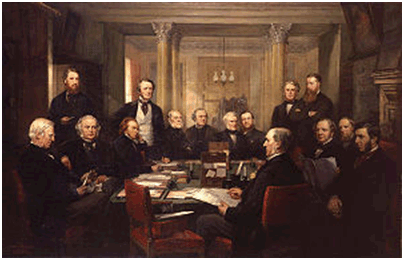
Other subjects for portraits included Queen Victoria, the Prime Minister and his cabinet, George Eliot. His papers are at Princeton,[1] Oxford and Cambridge Universities.  Dickinson has numerous paintings in the National Portrait Gallery in London, including his group painting of Gladstone‘s 1868 cabinet pictured in the cabinet room of 10 Downing Street.[4]
Gladstone's Cabinet - Lowes Dickinson

Gladstone’s Cabinet of 1868, painted by Lowes Cato Dickinson.

List of works

Clockwise from Lowes Dickenson wall sign

Visual art works

Wall and floor
Clifford Gabb

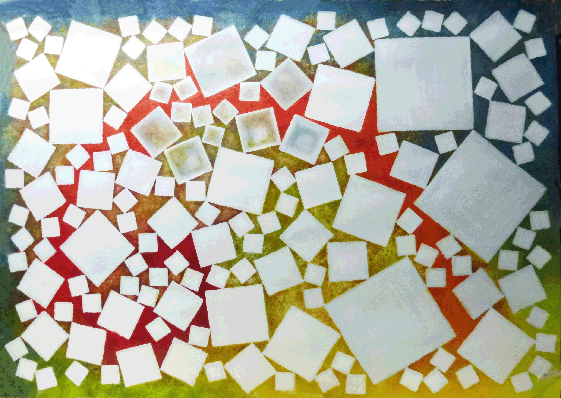
Clifford Gabb
Spiral
In Progress
Acrylic on Paper
1000 x 705mm
Foundation Degree Art and Design Professional Practice

Amanda Cannon

Amanda Cannon
Punk meets Pre-Raphaelite beauty, old Victoriana meets the new via digital process 2011/12
Albimin photographic print using c4 processing
Approx. 60 x 45cm
Fashion design

Celine Samson
Who do we think we are 2012
4 x prints
80 x 50 cm
Foundation Degree Art and Design Professional Practice

Bekki Perriman
Puddles 2012
3 x Digital colour photographic prints
approx 15 x 30 cm
Foundation Degree Art and Design Professional Practice

IMG-20121130-00162

Sandra Robinson
Untitled 2012
approx. 3 x 2 ‘
Installation of mixed media and ‘rubbish’ on plinth
Sculpture

Melissa Caplan
Giant Bra 2012
Mixed media, treated fabric, 3D hanging bra
Approx. 80 cm x 90 cm
Foundation Degree Art and Design Professional Practice

Alessandro Carboni
Plastic 2012
Melted plastic, glue and spray paint
1.7m x 60cm
Foundation Degree Art and Design Professional Practice

Melissa Caplan
traffic cone flower 2012
plastic traffic cone sculpture
approx. 40 x 20 cm
Foundation Degree Art and Design Professional Practice

In Cabinet

 Rosh Keegan
Bag for Life 2011
Ceramic figure
Approx. 30 x 10 cm
Fired clay, glazed with applied gold leaf and other media
ceramics

Marysia Kratimenos
There is no wealth like life (from John Ruskin) 2012
Aron the snow leopard
Framed Drawing on velour
Botanical drawing

Elizabeth Bordass
Tigers
Ceramic tigers x 2 fired and glazed
41 x  28 cm
and 15 x 10 cm
ceramics

Stories on white wall

Creative writing unless stated otherwise

Dominic Delargy
Species: Autographus Hunterus 2012
Matthew Parker
Looking at my Watch 2012

Andrea Popa
Seizing Opportunities 2012

Linda Winter
Thoughts on a beginning 2012

Marlene Martinez
Falling from grace 2012

Poems on brick wall

Creative Writing

Michael Baker
Walkies 2012

Fionnuala Condell
The journey 2012

Sara Reyes-Espinoza
I am Mother Earth 2012
Foundation Diploma Art and Design

 Alfonso Jimenez

 the traveller 2012

Primoz Klanjsek
Collision 2012
Foundation Diploma Art and Design

 Sebiha Macit

A Sleeper’s Vision 2012
Foundation Diploma Art and Design

 Carl Nolan
I am a fire place 2012

Performance

Not represented in exhibition but included in prize

Konstantinos Primerakis
Piano Performance

In small cabinets
Camden-20121119-00151

Beate Bechtold
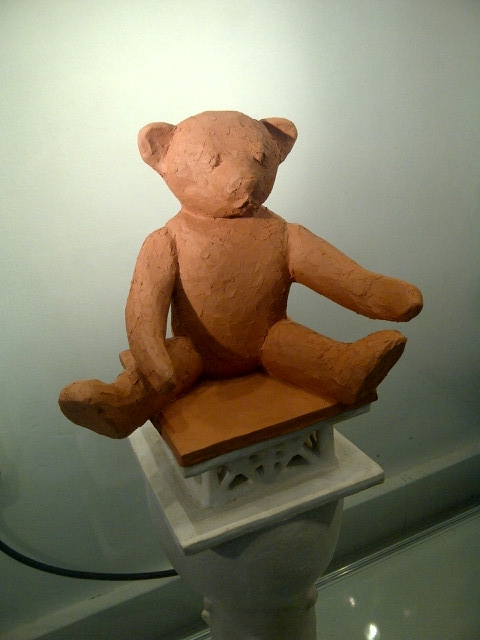
Steiff bear 2011
Ceramic figure approx. 35 x 15 cm
Earthstone and terracotta, fired, glazed and unglazed

 Amanda Cannon
 Digitalised pin hole camera photograph 4 x 6”
Frame and cardboard box

 And

Rowan Arts catalogues documenting hackney life portraits
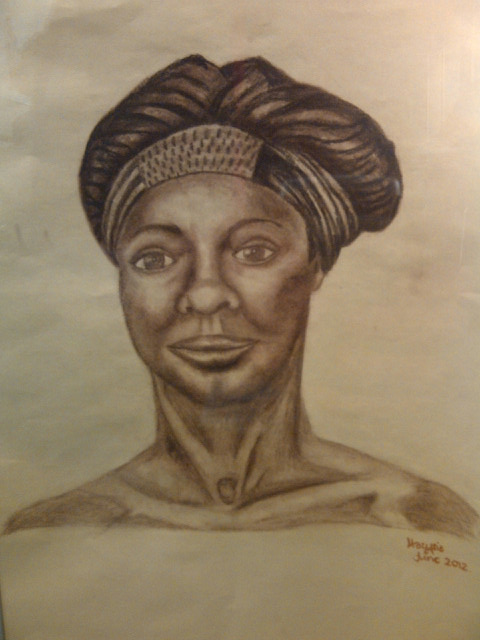
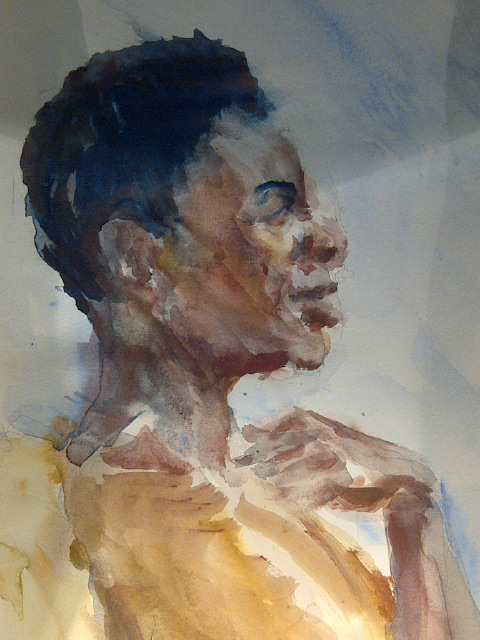
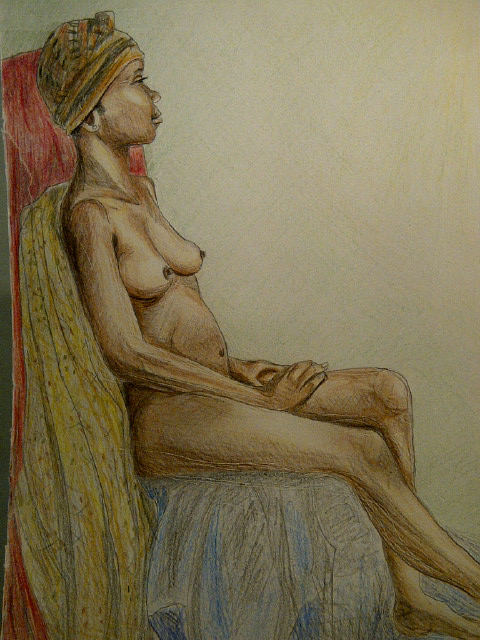
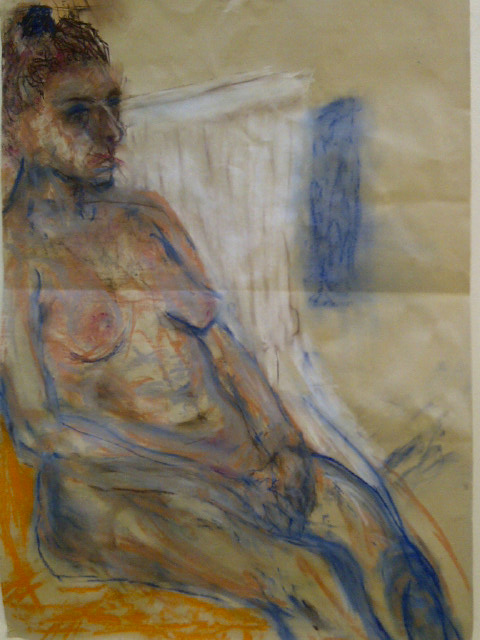
Life Drawing at the Working Men’s College

26th October- 16th November 2012

Open Monday – Friday 9.30-8.30pm

Saturday 9.30-3.30pm (term time only)

Artists:

 Wendy Arnot, Simon Clutton, Layne Comarasawmy, Sonia Copeland,
Hana Davies, Angela Devaney, Leela Flint, Shirley Dixon, Sandra Duffy,
Jim Foreman, Gerald Goldman, Allen Granditer, Francesca Hall,
Audrey Houtman, Marysia Kratimenos George Little, Gill Rathouse,
Christine Tambyrajah, Jo Target, Susan Webber

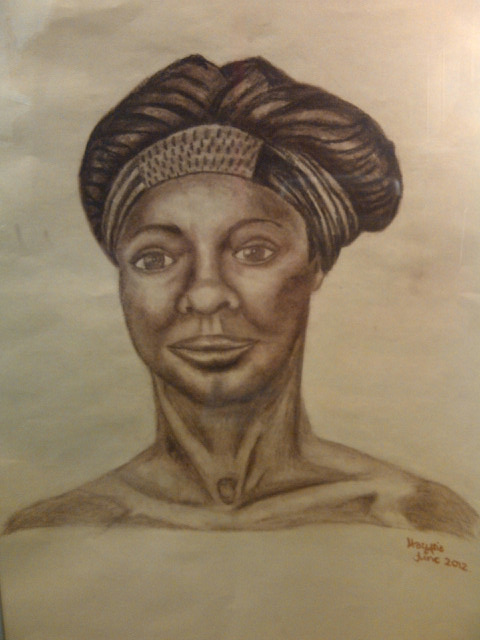
The Ruskin Gallery is pleased to present the work of students from the Life Drawing class at Working Men’s College, taught by Janet Unwin.

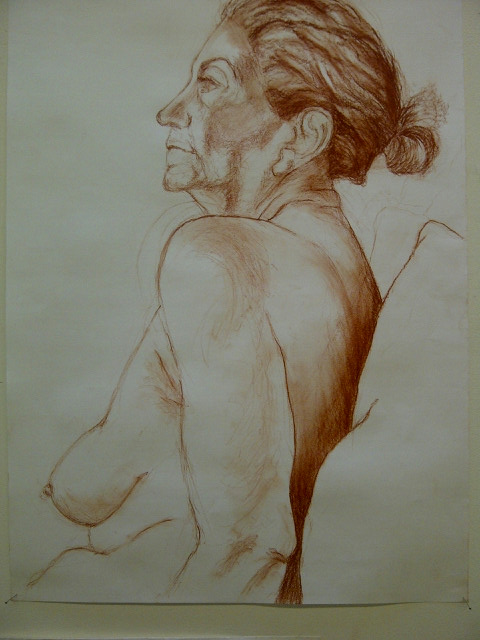
The classes draw nude and clothed models and portraiture plays a large part. Students work mostly on paper and use pencil, charcoal, paint, graphite, pastels, ink, oil and crayon.  Continual reference is made to art history allowing a wide perspective and engagement with ideas of representation of the human body.

Some students use work done in class, to develop further ideas on their own or using the work as subject matter for printmaking. Some work in studios or at home and some exhibit or sell their work. As a group they all value very much the opportunity to learn together, which the teaching, class and college offer. The course is open to all levels of ability and everyone enjoys taking on the considerable challenge, which this subject offers, involving a constant process of problem solving which is ultimately very rewarding.

Life drawing is a study of the human form in its various shapes and body postures, sitting, standing or sleeping. It is a study or stylized depiction of the human form, with the line and form of the human figure as the primary objective. It is a composed image of the drawn from an observation of a still, live model.  The human figure is one of the most enduring themes in the visual arts, and can be the basis of portraiture, cartooning and comic book illustration, sculpture, medical illustration, and many fine art fields. Representing the body has been practiced throughout history and sketching from life was an established practice in art school from the 13th century. Some art schools made life drawing a central discipline but before the late 19th century, women were generally not admitted to figure drawing classes.

Some of the work in this exhibition expresses sexuality or the complexity of gender or culture. Some artists offer a direct response to the complex world the human body signifies, human frailty and strength, a beauty in aging or the disconnectedness of human connectedness … the stuff of life or the notion of ‘spaces in-between’ everyday living.

If you like to enroll on a future Life Drawing class see http://enrol.wmcollege.ac.uk/lynx/CourseInfo.aspx?q=LEAFLET0912

Digital Photography at Working Men’s College

22 September – 5 October 2012

Open Monday – Friday 9.30-8.30pm

Saturday 9.30-3.30pm (term time only)

Artists:

Giampaolo Baldin, Niyazi Bayrak, Nadhira Benaissa, Alessandra Cinti, Flore Debray, Rob Devoy, Daniel Evans, Ana De Sousa Graca, Romana Kovarova, Suchisimita Majumdar, Emily Milnes, Danuta Nawrot, Daniel Nicola, Siobhan O’Hara, Sabrina Osborne, Seta Perez, Terry Rees, Jackson Rodriguez, Shane Samarasinghe, Camilla Scaramanga, Jeni Thompson

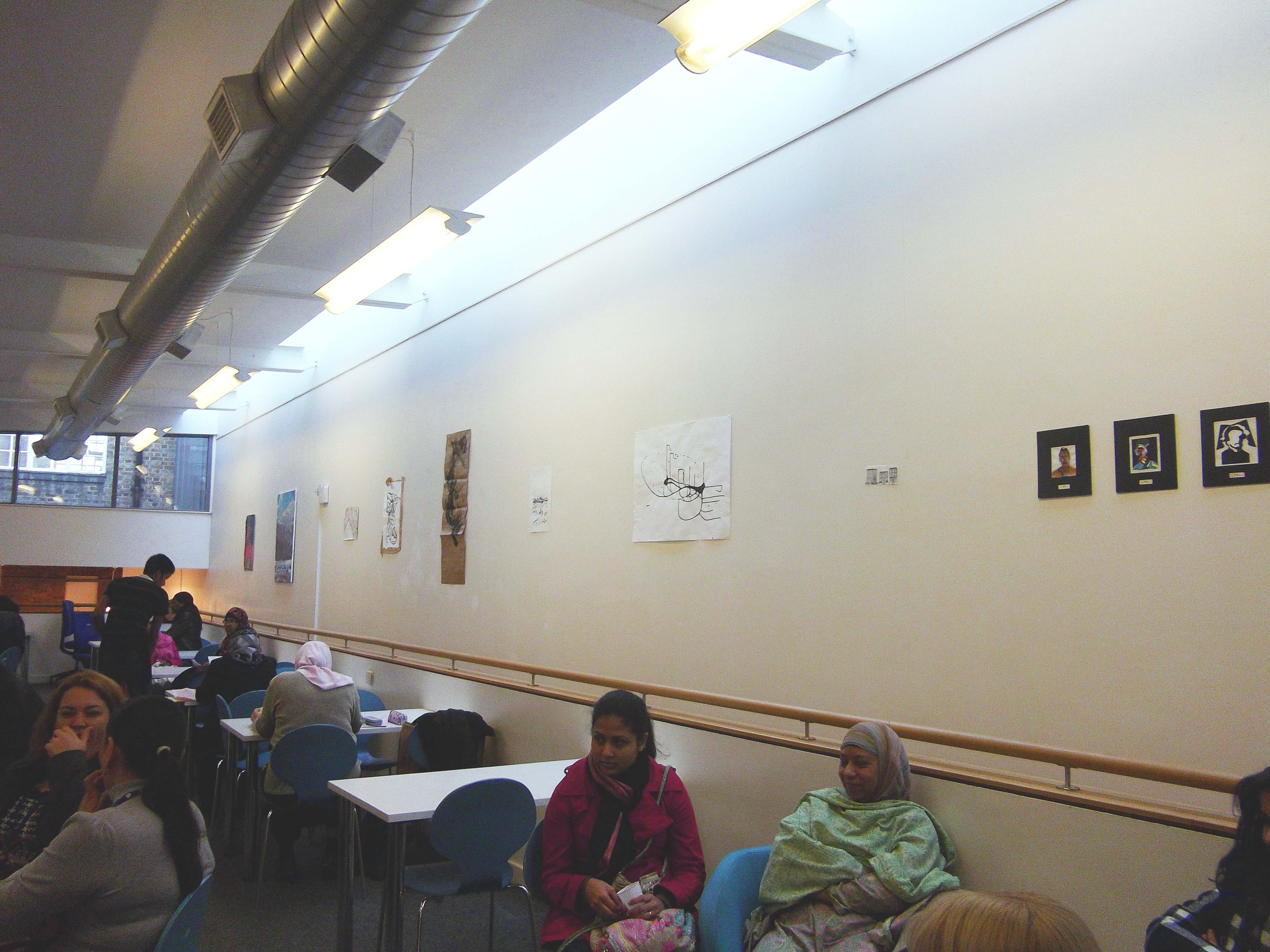
The Ruskin Gallery is pleased to present the work of students on Digital Photography classes of 2012, at The Working Men’s College.  Taught by Neil Waterson, a London based photographer, the majority of students began with little or no experience in photography. Over 10 weeks students developed visual skills and technical ability, to realize their projects. With no set brief, except to develop their own work and ways of seeing, students produce photography, using a wide variety of equipment and techniques. Neither technology nor finance determine the effectiveness of an image.

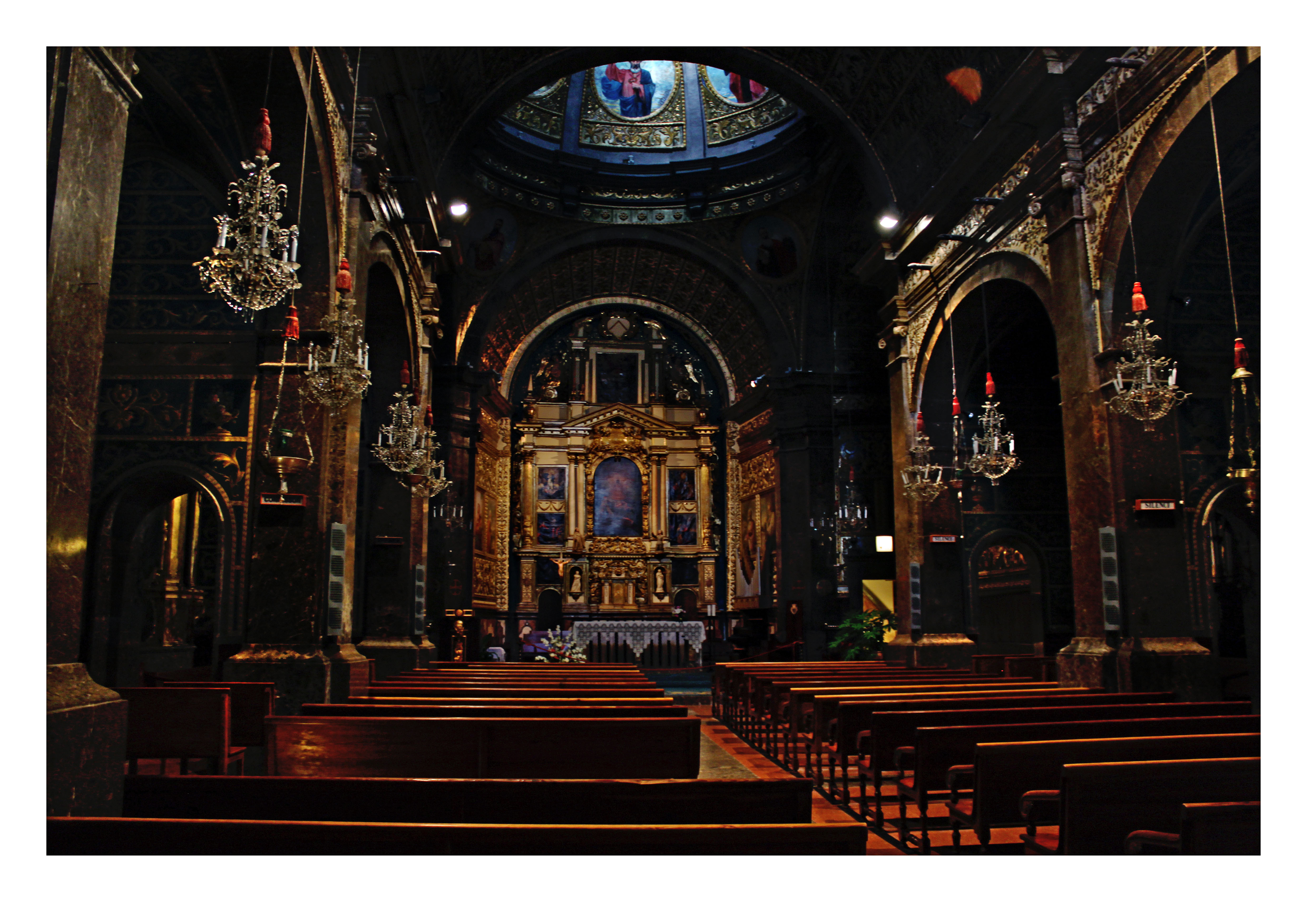
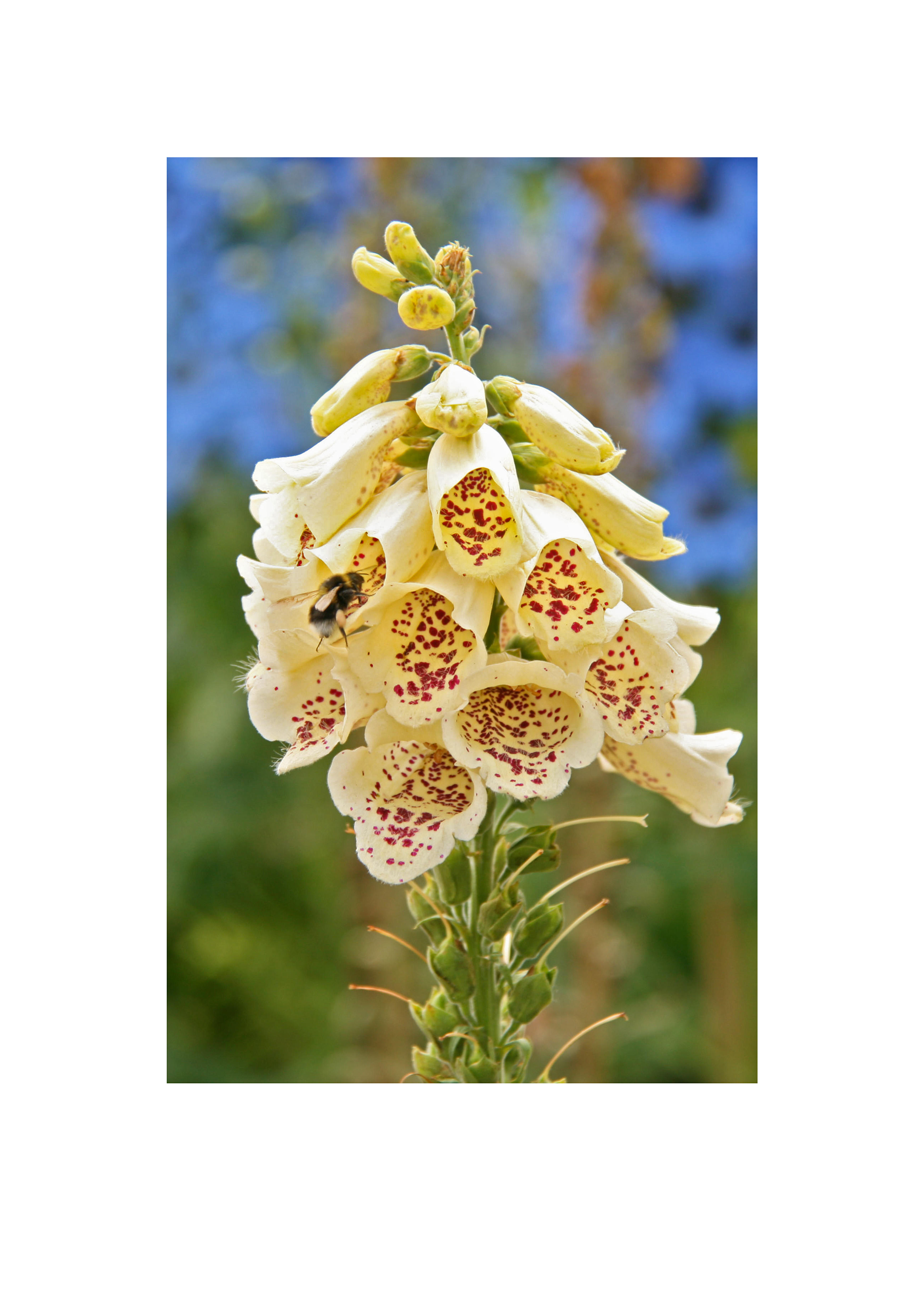
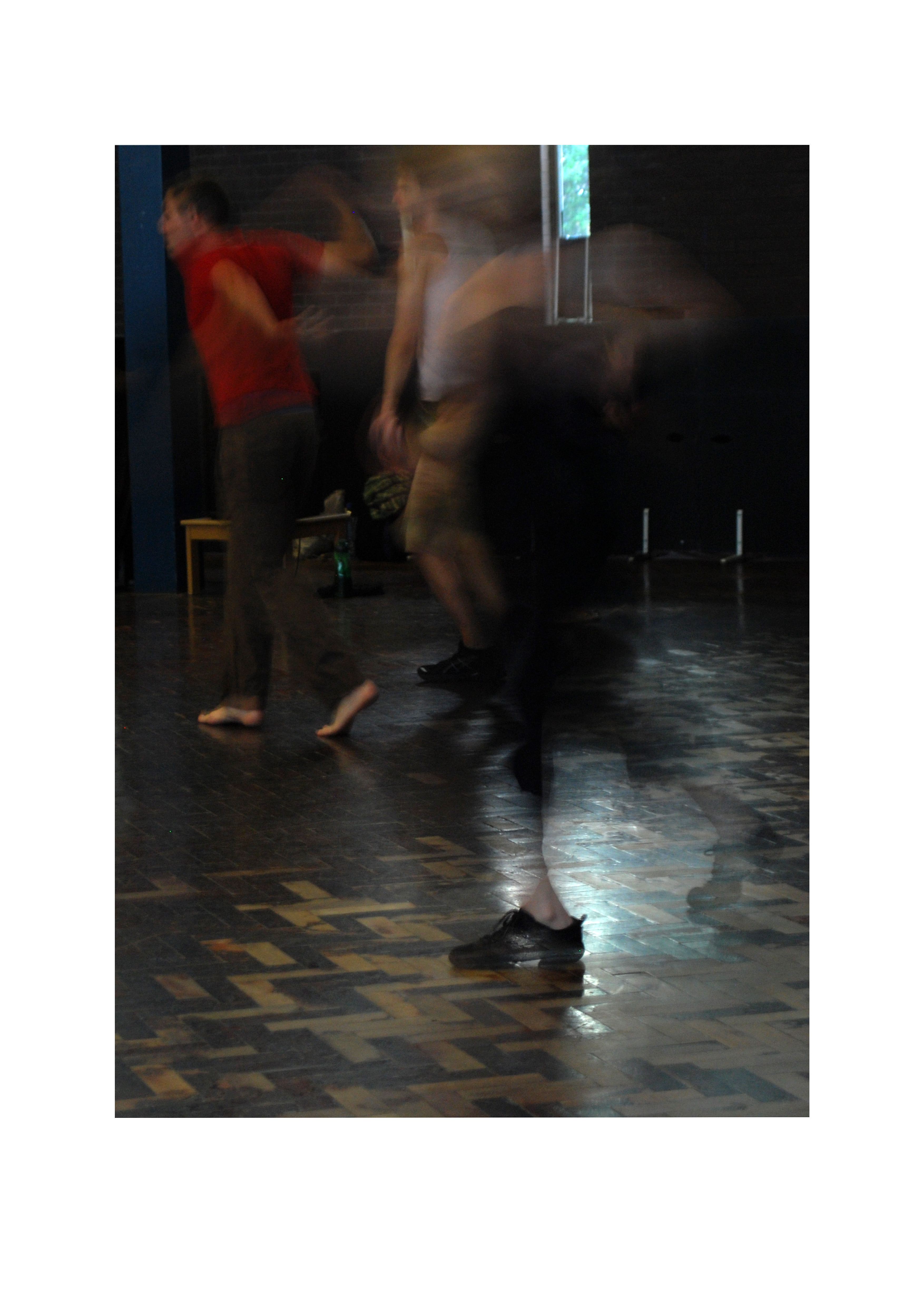
As a consequence, the images are a personal and individual reflection of each student. Several students have gone on to exhibit in national and local exhibitions and competitions. Others go on to access Art and Design courses at Working Men’s College, Art School, University or using their new skills within a professional or personal context. All have gained confidence in making photography and produced high standards of work. The photography here is informed by life in the city. From architectural forms, street observations and still life: including red freckled foxgloves; glowing church interiors and a pink plastic interior of a toddlers playroom.

Photography has been a force behind important shifts in art historical thinking and its discourse. Artists like Andy Warhol and Gerhard Richter were fundamental in changing the way we comprehend both painting and photography, blurring the boundaries that distinguish them and removing hallmarks of authorship. Artists associated with conceptualism and performance art, like Vito Acconci, Bernd and Hilla and Becher, expanded the formal criteria that defined photographs as art. Larry Clark, Nan Goldin and Richard Billingham’s, so called confessional photography, embraced subjects like trangressive sexuality, violence and family life. Artists like Cindy Sherman, as well as exploring feminist themes, pointed to the influence of film and psychoanalysis on photography. These changes also established that there were no formal precepts of photographic correctness.

 As course tutor, Neil Waterson has over 20 years experience in photography, including: portraits for actors, musicians and dancers; architectural and interior work for building, estate management and design clients; still-life, product and pack shot photography for editorial and advertising; designing and producing complete CD solutions for artists in the London Jazz Scene. His personal projects are an extension of his interest in painting and graphics in architectural forms. His client list includes: Sunday Express Magazine, Daily Express, Nexus (Japan) Ltd, Royal Caribbean Cruises, Lansdowne Euro, International, Thomson Publishing, Channel 4 Television and Central Television. The course outline can be seen at http://enrol.wmcollege.ac.uk/lynx/CourseInfo.aspx?q=LEAFLET0906
Contact estherw@workingmenscollege.ac.uk for more information.

Kyla Harris

Press Release
Kyla Harris
18 May – 17 June

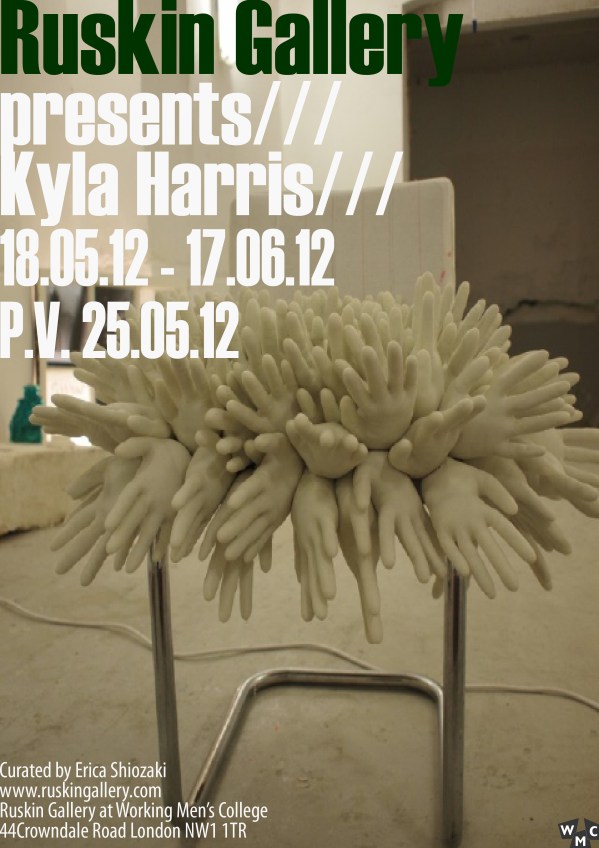
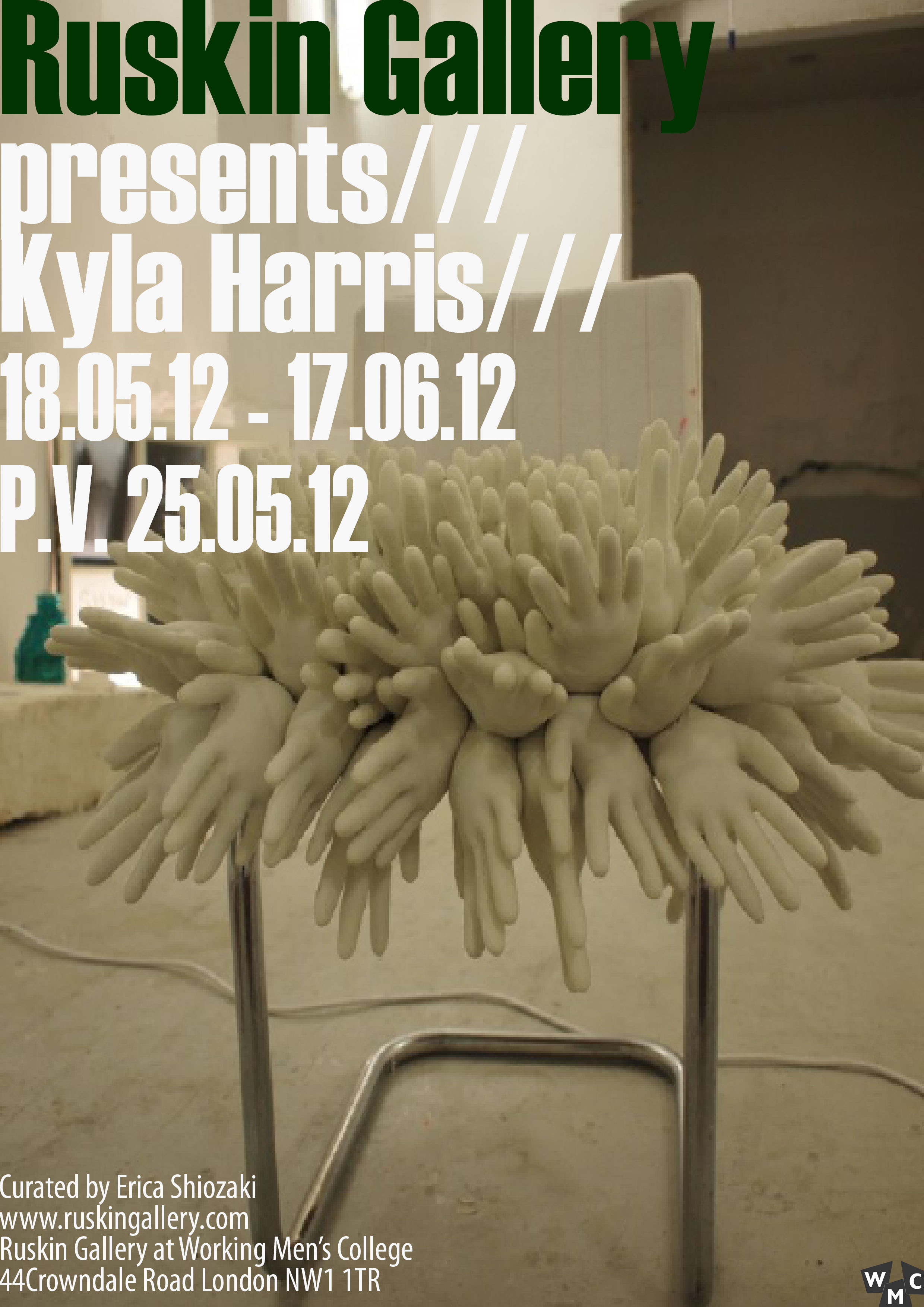
In accordance with Diversity Day at WMC, Ruskin Gallery is pleased to announce the solo exhibition of Canadian artist Kyla Harris.  Largely influenced by her accident in her teenage years, much of her practice represents themes that directly relate to her experiences of disability.

Instigated by her physical experience, the works here aim to discover and analyse physical and mental relationships a human body can have with diverse objects.  As a society we are conditioned to respond and think in a certain way when interacting with any object, but Harris questions what would happen if this expectation were completely disrupted.  Untitled (2012) has been covered with white surgical gloves, making it a dysfunctional chair.  With its original purpose lost, it is no longer a chair and instead stands as a mere object with steel frame and numerous white ‘hands’ protruding from its body.  An eerie and discomforting situation is created through the gloves, and as viewers we respond to this object in a new manner.
Harris’ current practice also has an intrinsic connection to her experience with NHS appointments, and through her use of medical equipments in sculptures and installations, she explores the transient relationship human beings have with the supplies.  The collected items within her artworks, which include oxygen masks, gloves, tubes and syringes, are all disposable, yet every element is fabricated and engineered with detail and precision.  Instead of disposing them, Harris reconstructed them into other objects, such as a chandelier (Untitled, 2012) made out of recycled and new catheters.  Through the process of collecting and assembling, Harris deconstructs the original meaning of the materials, to then add new definitions to their existence and propose a new way of interacting with them, both mentally and physically.

Ruskin Gallery supports Diversity Day and through this exhibition of Kyla Harris, it hopes to expand the awareness on issues surrounding diversity and equality within education.

Kyla Harris is a Canadian artist living and working in London.  Her past exhibitions/projects include Road Block, a collaborative project in London (2012); Vericolour at New Galley in London (2012), Points of Connection at Kingsland Road Studios in London (2012); and No Working Title, a collaborative project between Chelsea College of Art and Design, Bath Spa University and Camden Arts Centre (2012).

For more information about the artists and for images of their works, please contact Erica at EricaS@wmcollege.ac.uk or through http://www.ruskingallery.com.

Exhibition open Monday to Saturday 10-5pm

Birds and Beasts at Royal Veterinary College


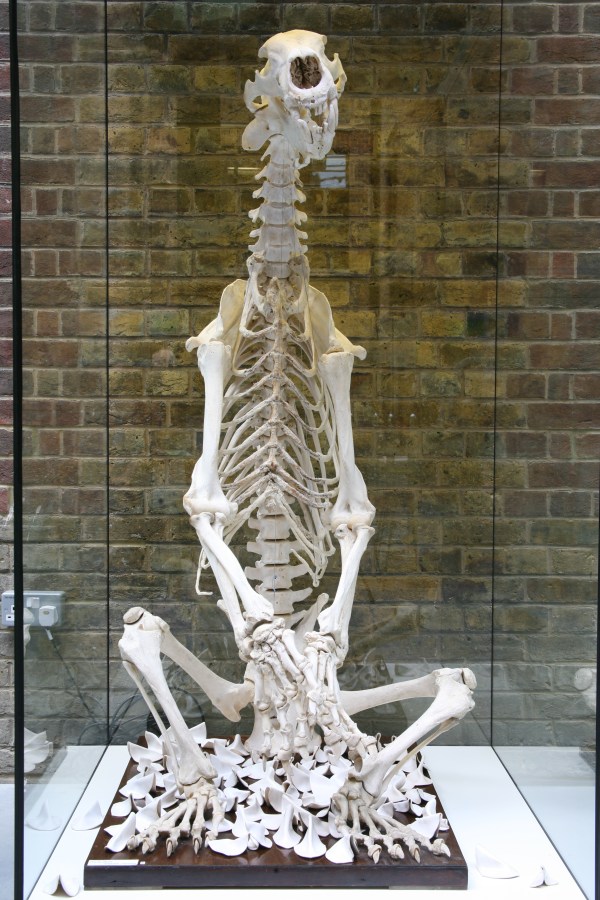
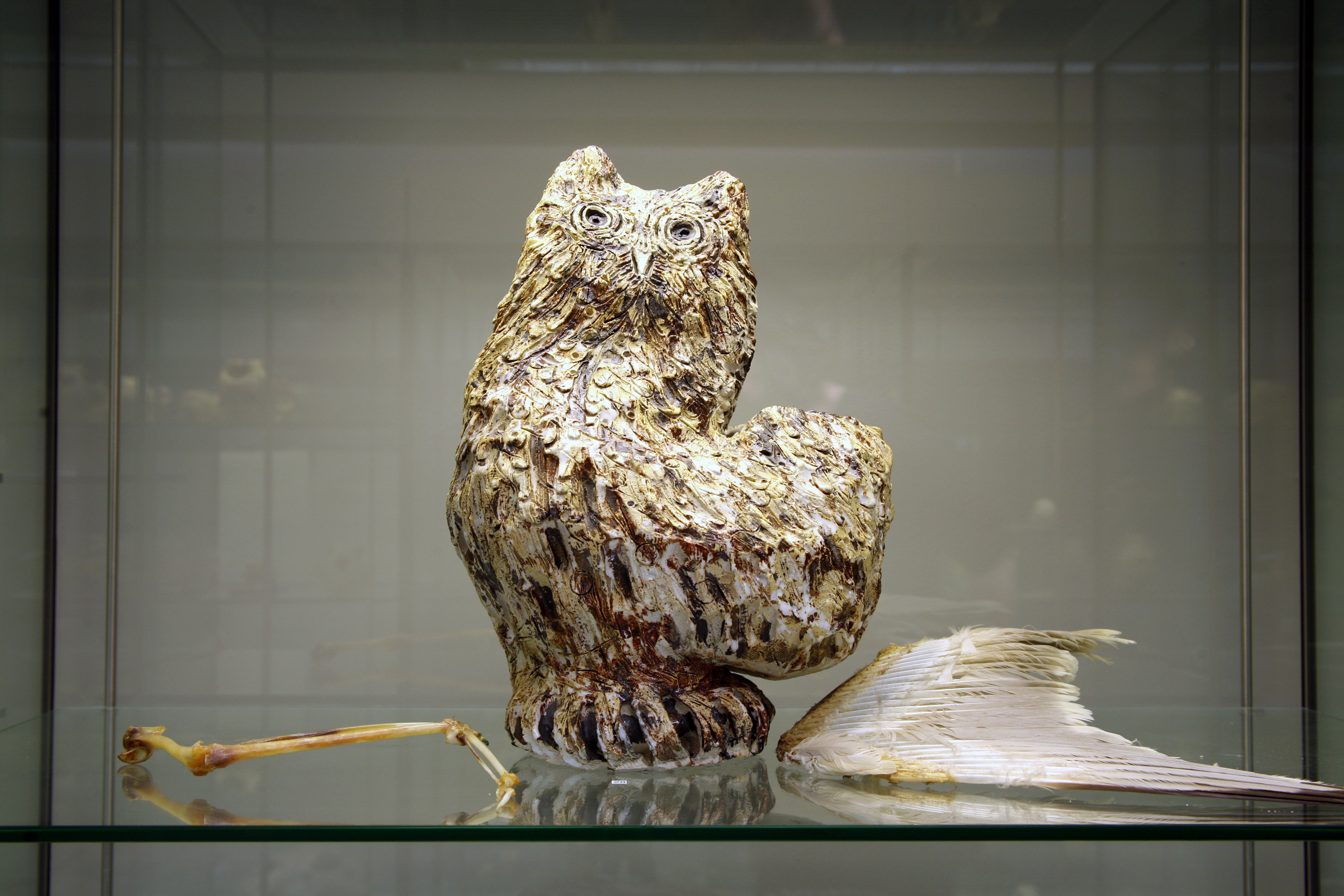
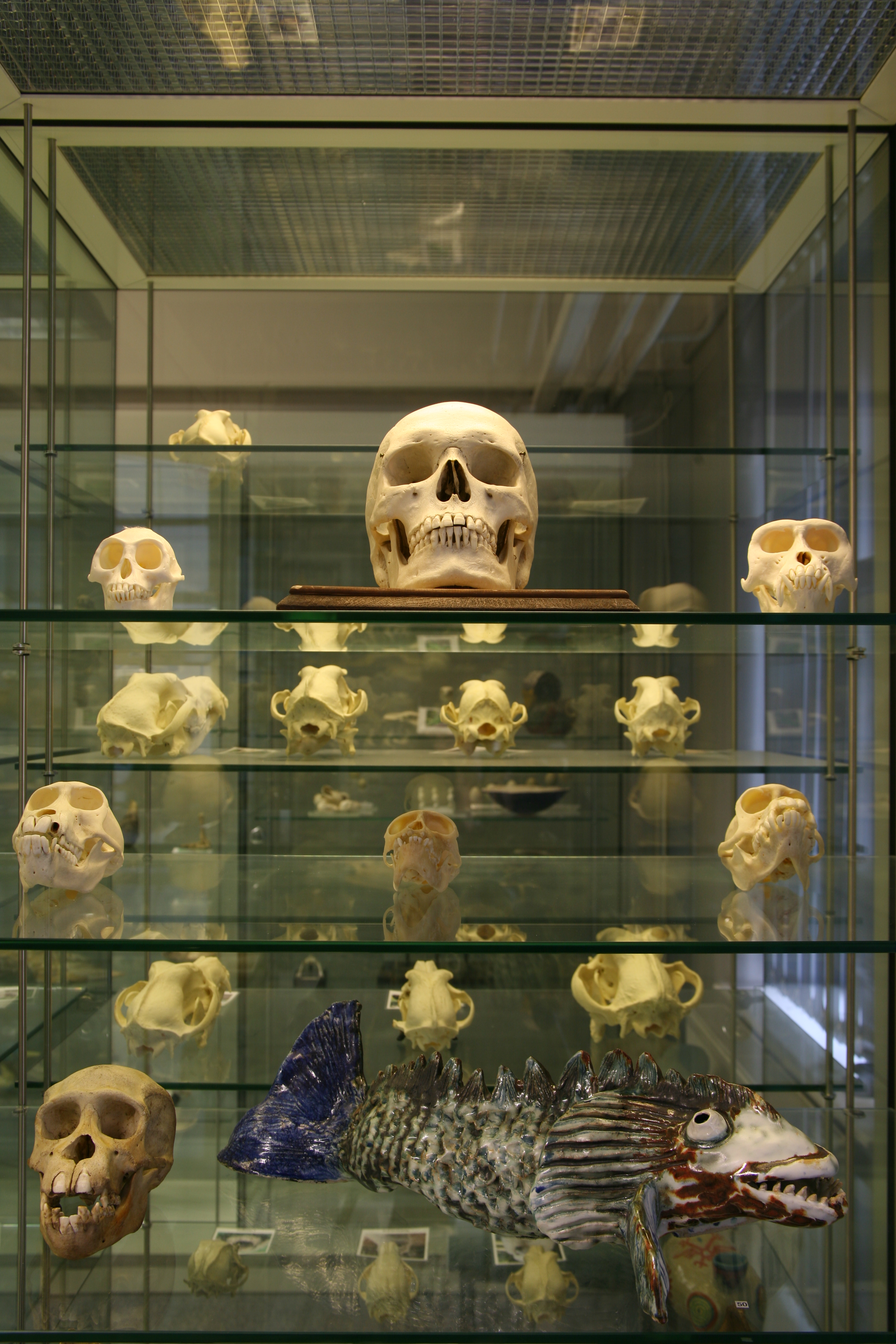
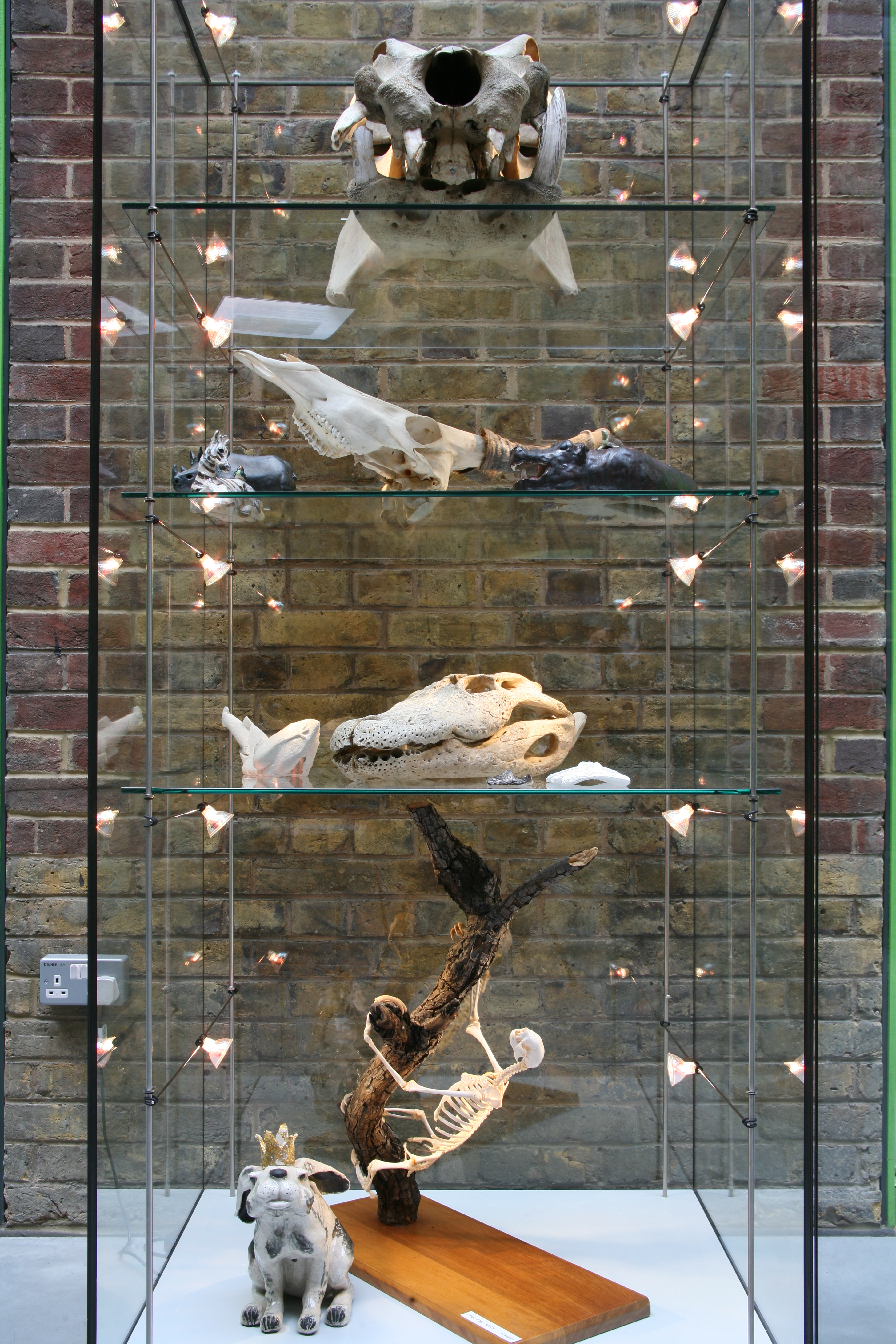
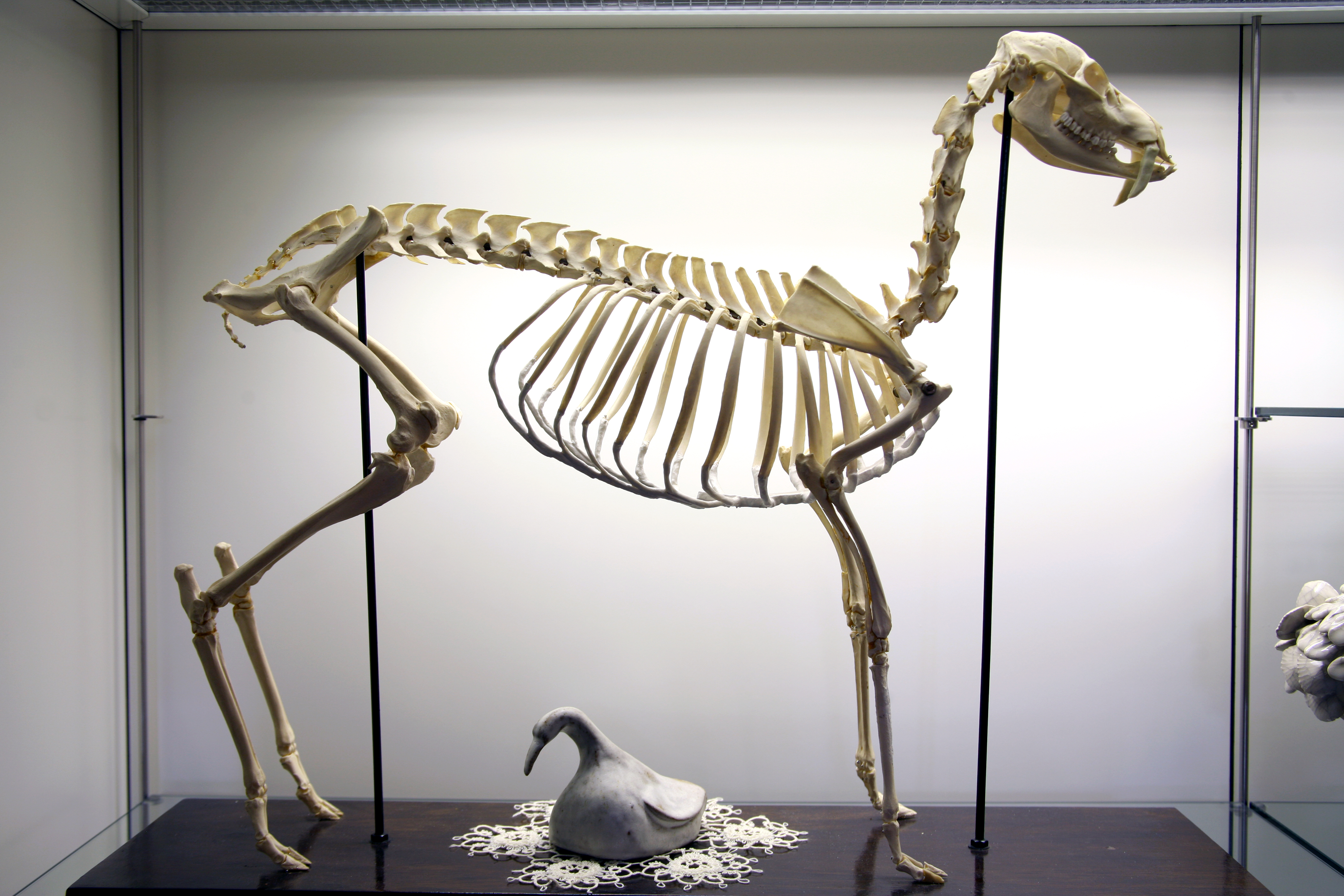
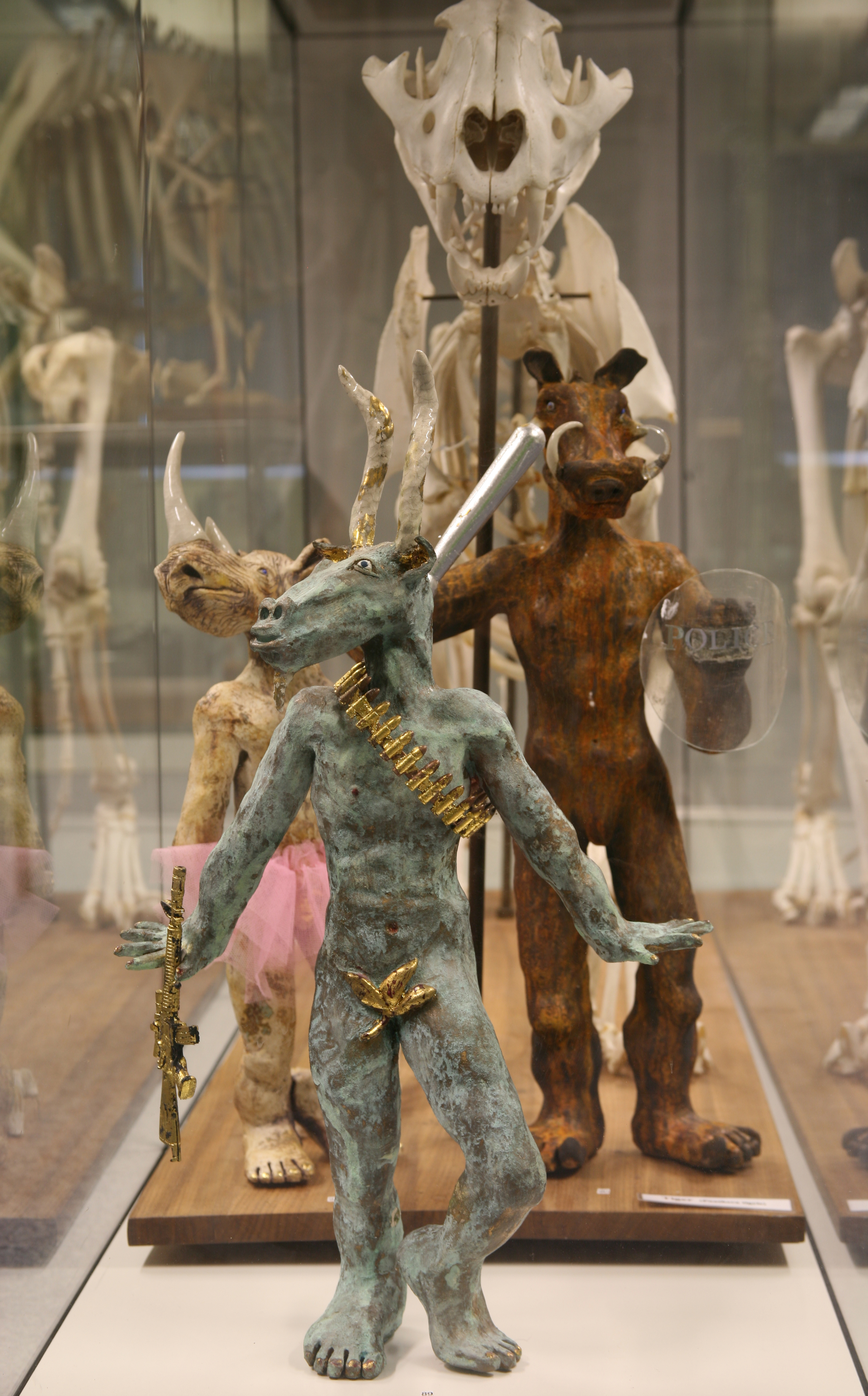
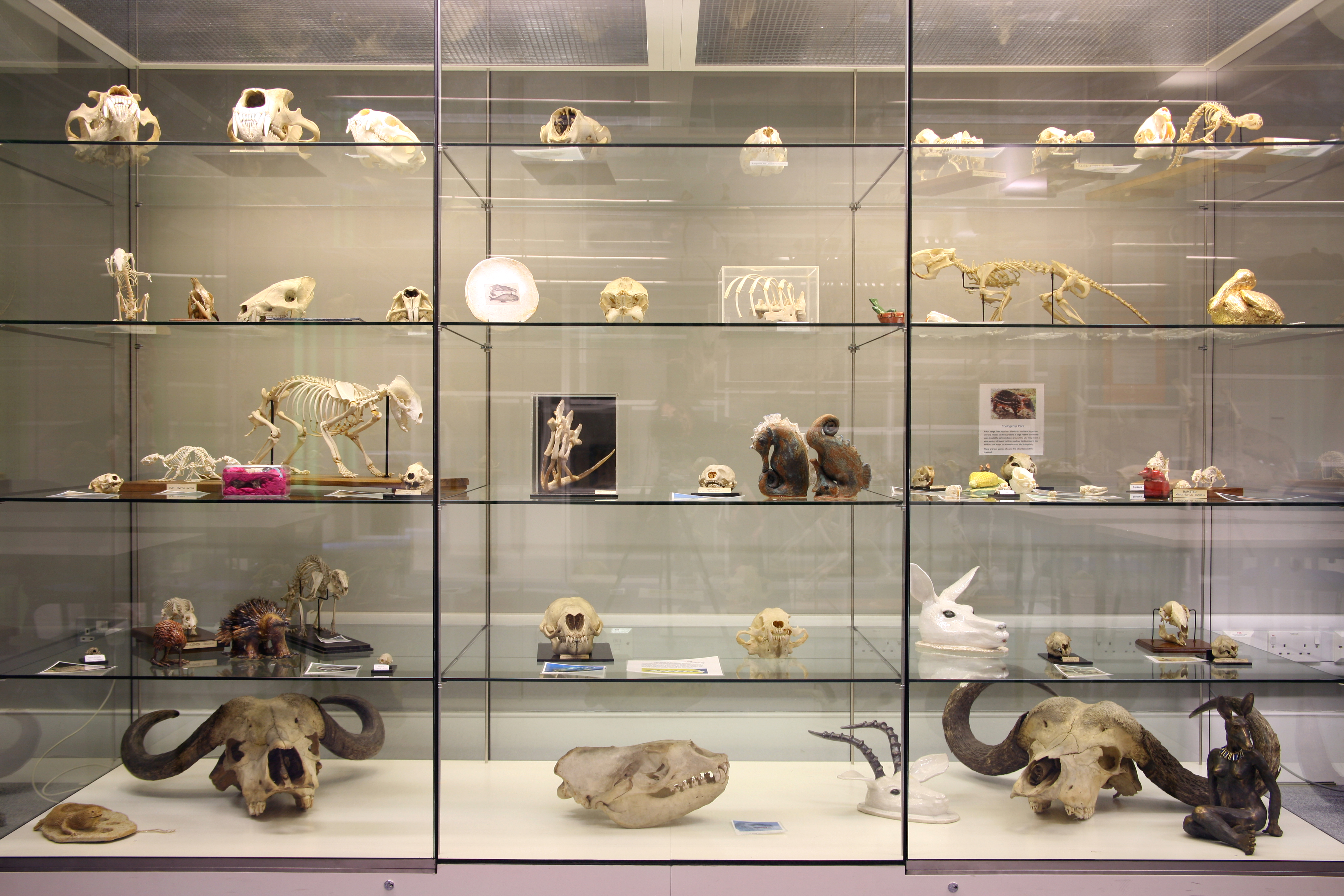
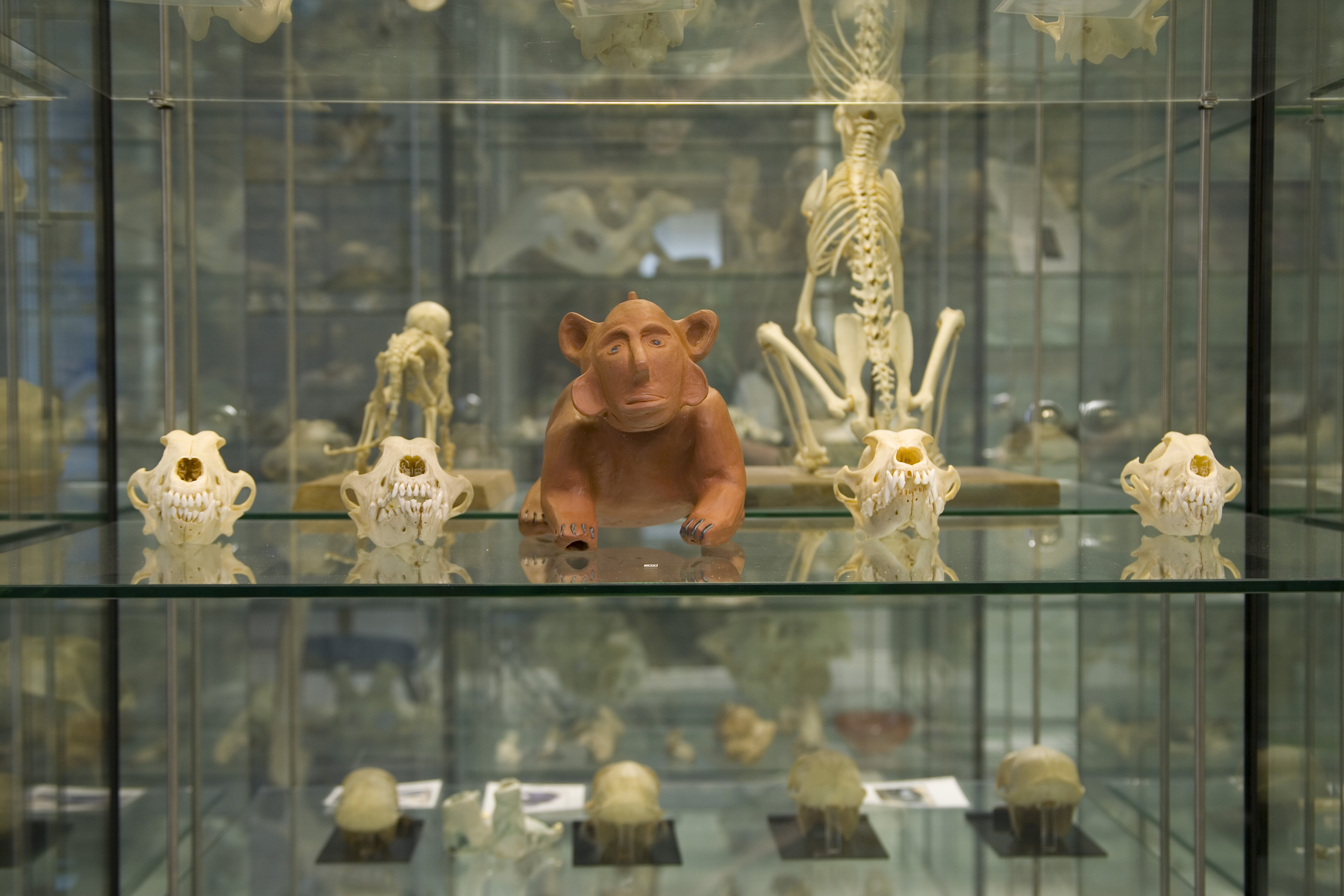
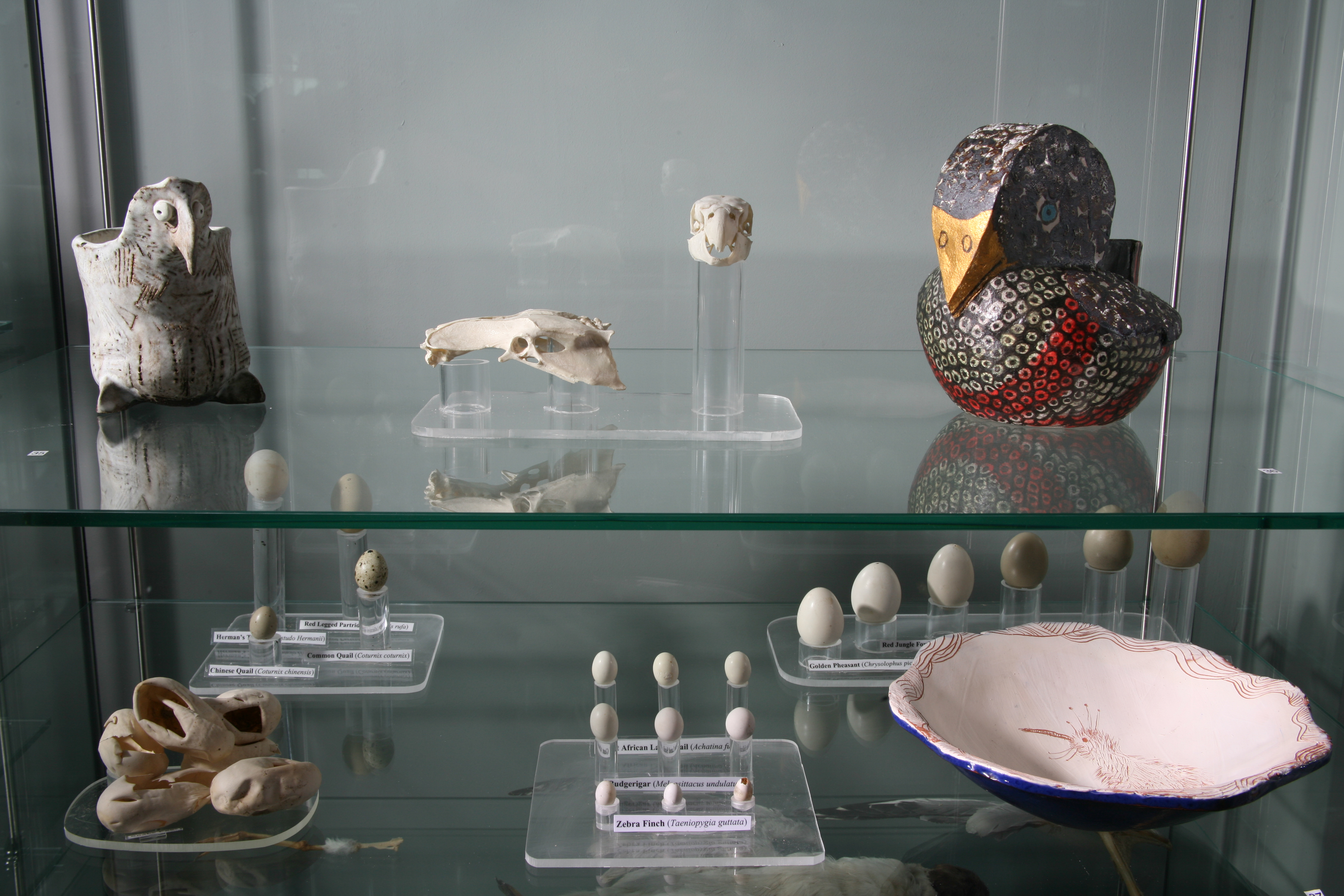
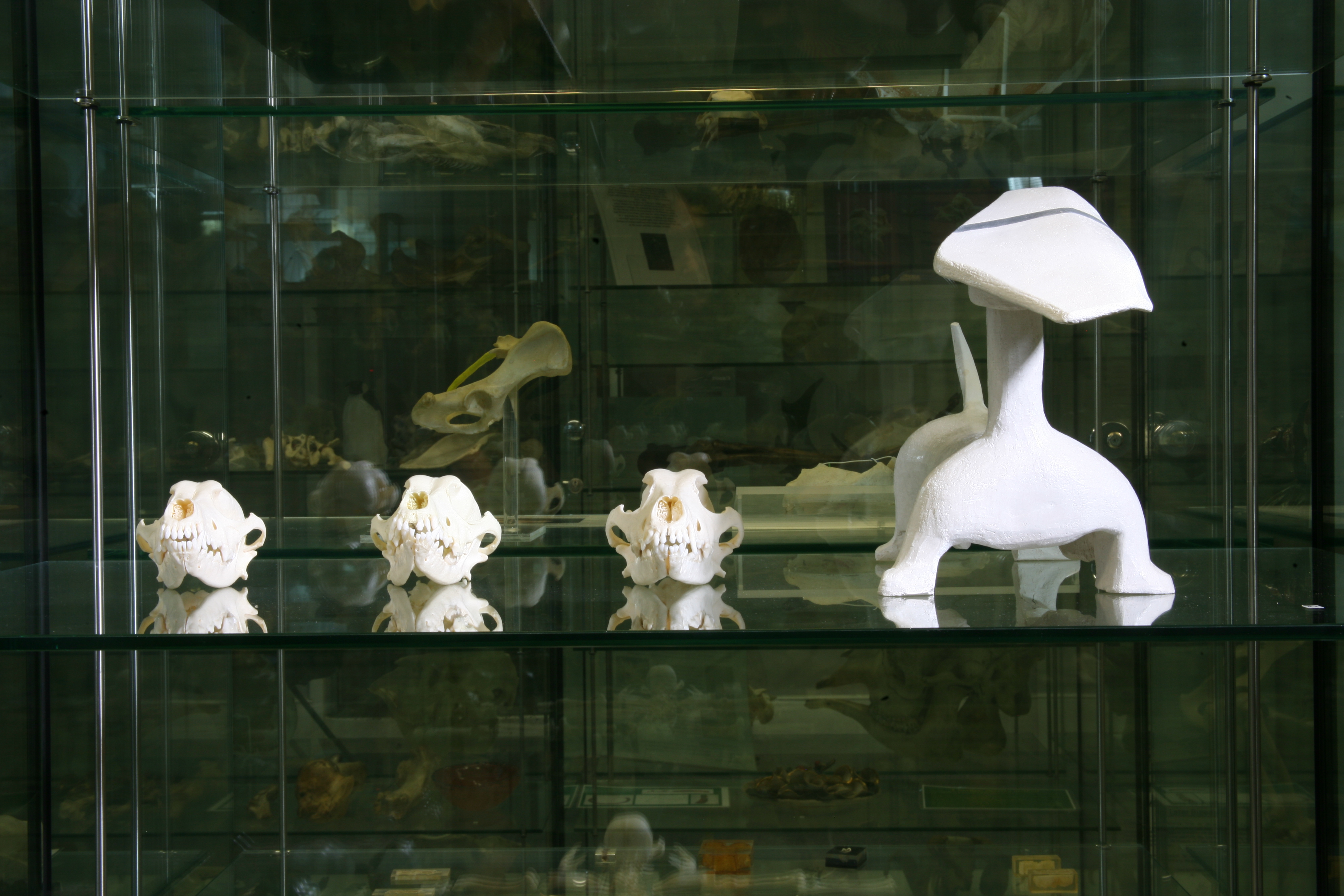
For the month of May ceramic students from Working Men’s College will be participating on an intervention project at the Royal Veterinary College.  Over 100 pieces of ceramic animals will be installed in the museum at RVC, sharing the space with skeletal models and animal specimens preserved in formalin.  Participating artists include: Wendy Arnot/ Marcella Mameli Badi/ Joanna Baines/ Richard Bates/ Beate Bechtold/ ElizabethBordass/ Jimena Cancino/ John Clarke/ Liz Mendes da Costa/ Leviathen Hendricks/ Pische Hughes/ Charlotte Jarvis/Lesley John/ Kusum Nelson-Jones/ Erna Joy/ Rosh Keegan/ Valli Kohon/ Liz Love/ Sharon Lynch/ Sunil Modi/ Kuniko Oki/ Yiannis Pareas/ Gillian Rathouse/ Miriam Reik/ Margret Rich/ Tony Royle/ Dyan Sheldon/ Karen Sussman/ Anne Tickell/ George Deville/ Hideko Oka Ward/ Nicola Web

33 ceramicists had gathered together on this occasion to create a different experience in viewing ceramics.  Distanced from plinths and pedestals, these works present a non-conventional way of looking and appreciating the medium.  Situated amongst the delicate laboratory samples, the equally fragile ceramic beasts emphasise the multiple ways of imagining animal life forms and how one can gain ideas from animals, whether they be scientific or artistic inspirations.  Amongst the ceramic works, the preserved animals also begin to take on a strange identity that was never before realised.  Perhaps they gain more life, or lose a sense of reality when positioned next to art objects.  The exhibition enunciates the abilities of these objects to influence one another in order to create a challenging context for viewers.

The concept of the project had developed from a large number of ceramic works that students at WMC had produced over the years. With the warm welcome of RVC this project has been made possible and was produced with much hope to inspire many visitors, including artists and scientists.

Exhibition is open via appointments only, from Tuesdays to Fridays 2 – 5pm.  Please contact Erica Shiozaki at EricaS@wmcollege.ac.uk, or call 07539931113 to book your appointment.

For more information about the artists and for images of their works, please contact Erica at EricaS@wmcollege.ac.uk or through http://www.ruskingallery.com.

Installation images:

John Clarke Owl

John Clarke “Large Owl” (2011)


Tony Royle Monster Fish

Tony Royle “Monster Fish” (2012)


Elizabeth Boardass Monkey/ Yiannis Pareas Taurus

From Left: Elizabeth Boardass “Monkey” (2010) and Yiannis Pareas “Taurus” (2012)


installation view

Installation View: Cabinet


Hideko Oka Ward “Origami Birds” (2012)


Installation view - cabinet

Installation View Refectory Cabinet 1


Miriam Reik Pinchy Bird

Miriam Reik “Pinch Bird” (2011)


Installation Cabinet view

Installation View cabinet 2


Installation View - cabinet

Installation View Cabinet 2


Rosh Keegan - Worrier Najinsky;Kettling Warthog; It wasn't me - Great White Northern Rhino

Rosh Keegan – From far left in counter-clockwise: It Wasn’t Me – Great Whit Northern Rhino (2011); Warrior Ninjinsky (2010); and Kettling Warthog (2011)


Installation Cabinet 3

Installation View Cabinet 3


Sharon Lynch Terracotta Dog (2011)

Sharon Lynch “Terracotta Dog” (2011)


Charlotte Jarvis Dachshund (2010)

Charlotte Jarvis “Dachshund” (2010)


From Left: Jimena Cancino and Wendy Arnot

From Left, anti clockwise: Jimena Cancino Bird Vase” (2011); Wendy Arnot “Baby Bird” (2011) and J. Cancino “Kiwi Bowl” (2012)


All photographs by Andrea Heselton

© Andrea Heselton 2012


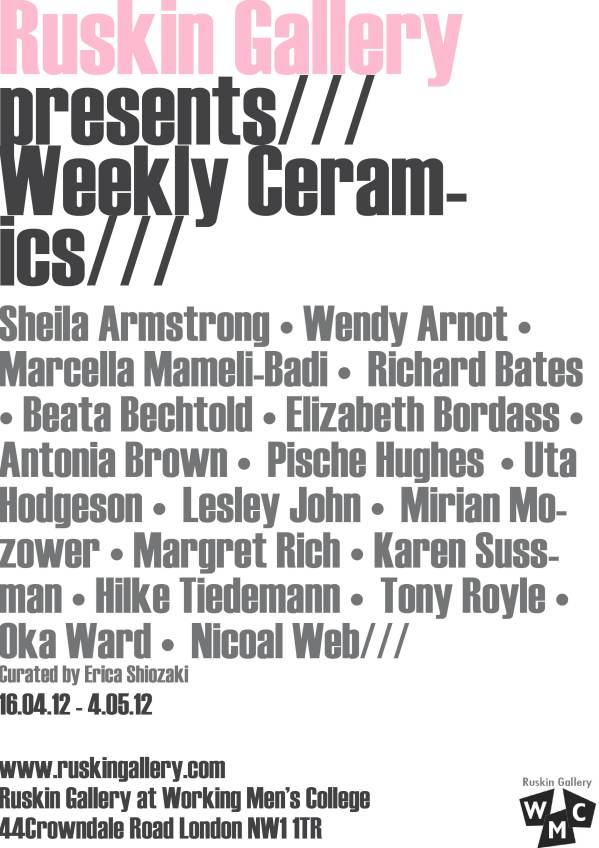
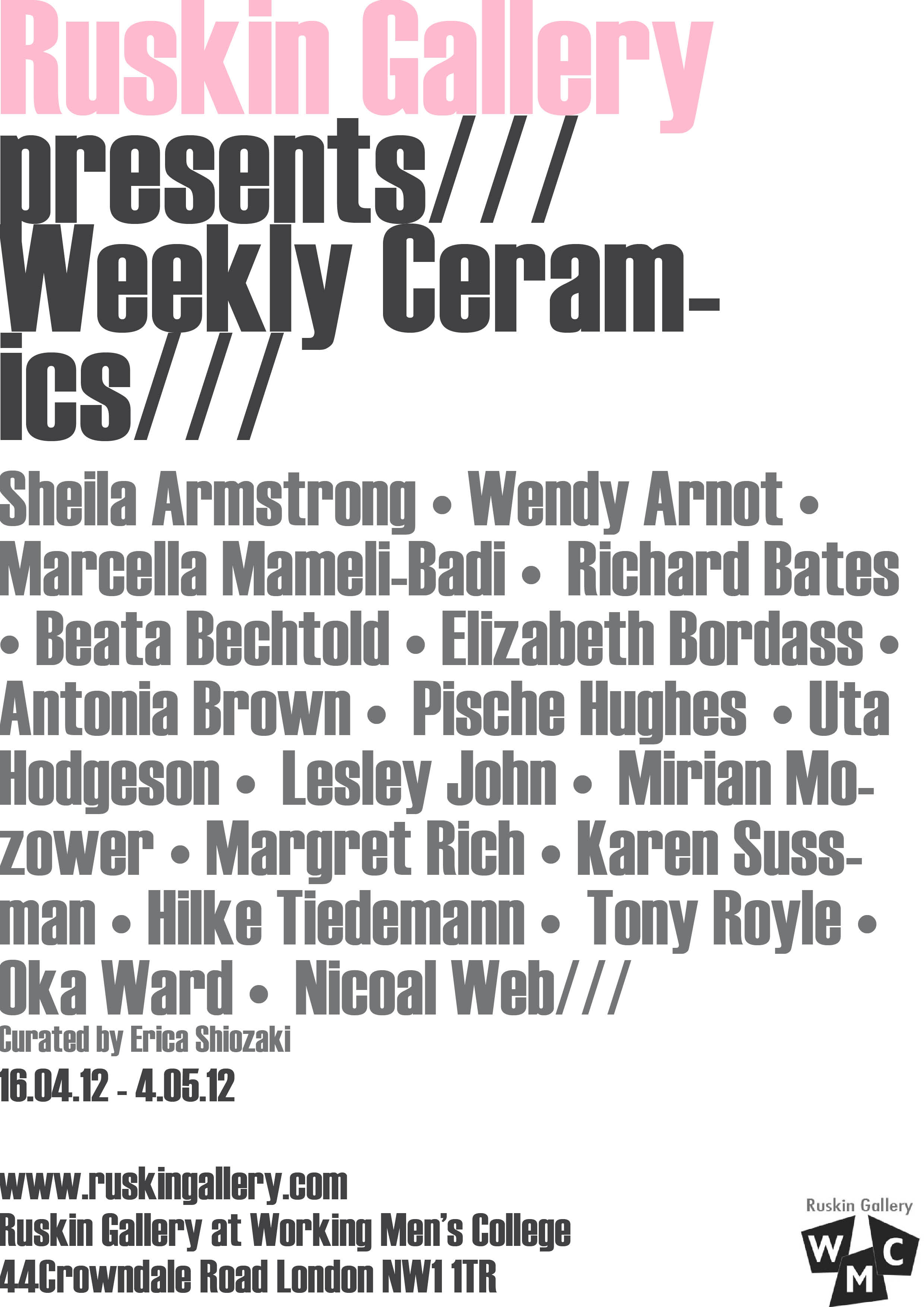
Weekly Ceramics

Ruskin Gallery at Working Men’s College is pleased to announce the upcoming exhibition by ceramicists, including Sheila Armstrong, Wendy Arnot, Marcella Mameli Badi, Richard Bates, Beata Bechtold, Elizabeth Bordass, Antonia Brown, Pisched Hughes, Uta Hodgeson, Lesley John, Mirian Mozower, Margret Rich, Karne Sussman, Hilke Tiedmeann, Tony Ryle, Oka Ward and Nicola Web.

As the title of the show suggests, the exhibition will be changing weekly to expose different artists and their approaches to the medium of ceramics.  In so doing, the collections of works also aim to pronounce the fleeting nature of exhibitions, contrasted by the solidity of some of the bigger ceramic pieces.  Everything is ephemeral.

An artist once commented that all works of art should be lived with, experienced with for a long time to realise the beauty of it – yet on the other hand there is still a great aesthetic in the short moments of pleasure that is strengthened by its elegiac quality, which is best captured by ceramic objects.

For more information about the artists and for images of their works, please contact Erica at EricaS@wmcollege.ac.uk or through http://www.ruskingallery.com.

Exhibition open Monday to Saturday 10-5pm

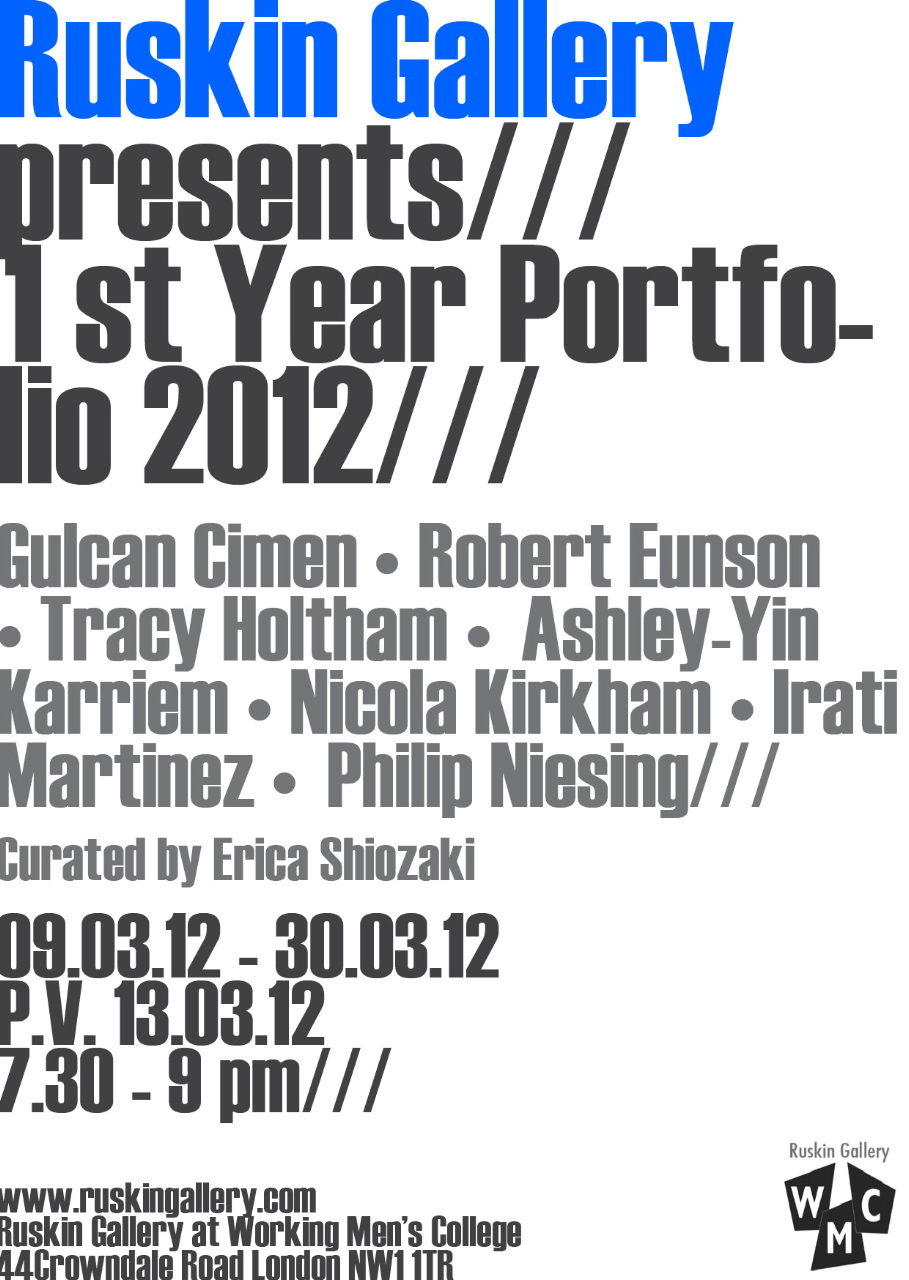
1st Year Portfolio 2012

Press Release

1st Year Portfolio

9 March – 30 March

Ruskin Gallery at Working Men’s College is pleased to announce the upcoming exhibition by 1st year students from the Portfolio preparation course.  Seven artists including Gulcan Cimen, Irati Martinez, Nicola Kirkham, Philip Niesing, Robert Eunson, Tracy Holtham and Ashley-Yin Karriem share their professional developments and aspirations.

There is certain uniqueness present in the hung works – ripples of uncanny-ness emanate and a sense of solidarity is so vivid in many of the works.  The artists presented here have much more of a confined practice, meeting only twice a week at WMC to collect and gather information with each other, whereas conventional institutions will see artists socialising and developing much more collectively.  The outcome of a solitary practice like this, are artworks less influenced and much more challenging in one’s artistic understandings, aesthetic valuations and societal perceptions.  In other words, less institutionalised.

The exhibition then, is here to not only introduce these works and the artists, but to celebrate their definitive approaches and manners in creating a piece of artwork.  It aims to bring up unusual perspectives and uncommonly references that should not be ignored, but respected.

The portfolio preparation course is a two-year part time course that offers students opportunities to work across a variety of media and techniques including drawing, painting, sculpture, print, collage and digital imaging. The course is designed to encourage students to develop their own ideas and visual language in order that they can develop their portfolio. Some students progress on to BA level course while others develop their portfolio for personal development or use in the future. Creativity and individuality is promoted through a range of projects and supported by group discussion, individual tutorials, site visits and research trips

For more information about the artists and for images of their works, please contact Erica at EricaS@wmcollege.ac.uk or through http://www.ruskingallery.com.

Exhibition Private View: 13 March 7:30 – 9pm
Exhibition open Monday to Saturday 10-5pm

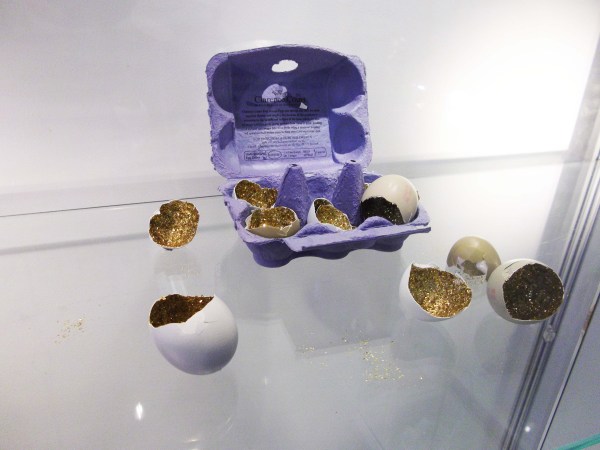
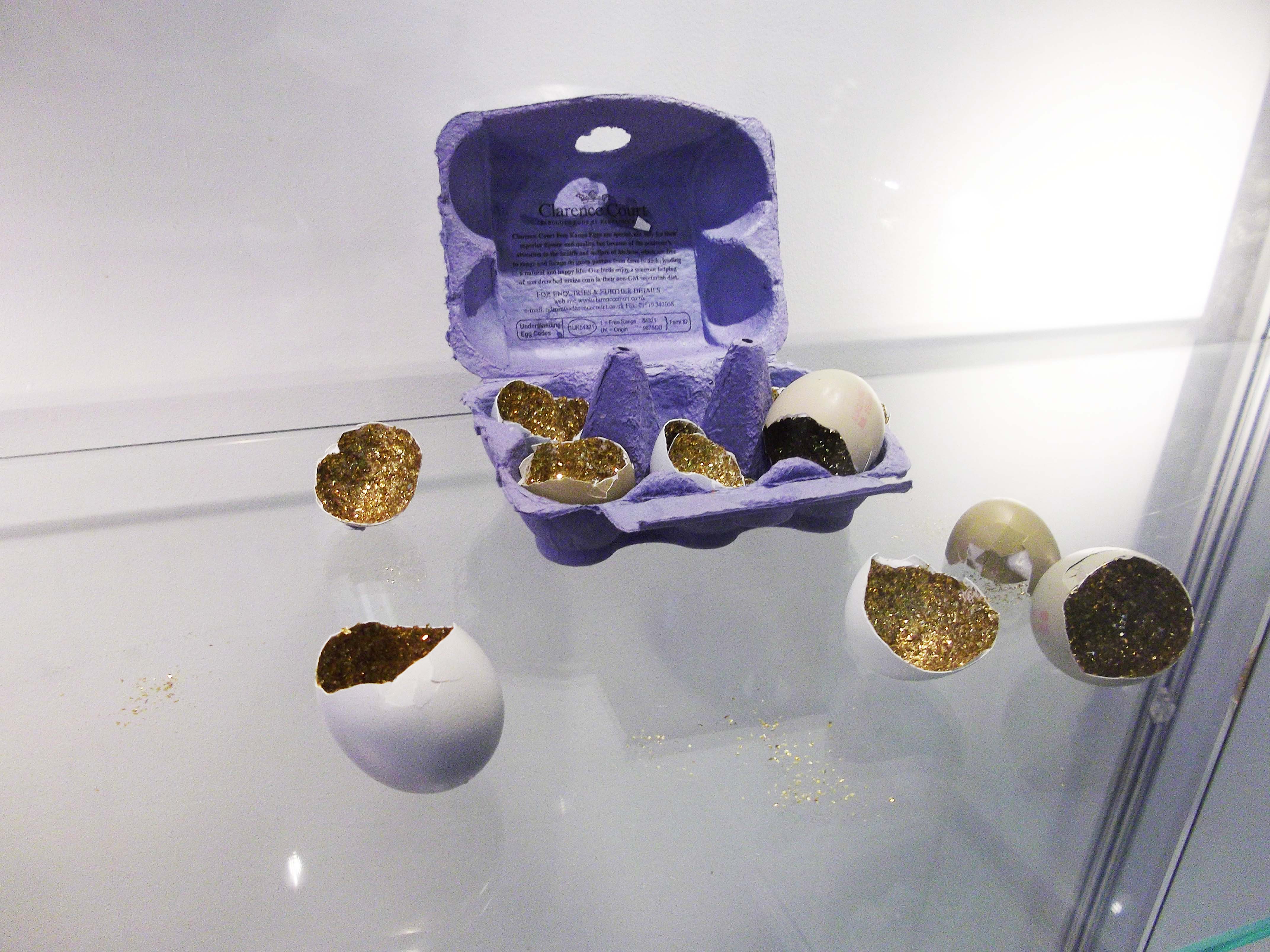
Robert Eunson “Eggs”, 2012

Installation view

Installation view

Philip Niesing “Untitled” 2012


Neil Stoker

10 February – 8 March 2012

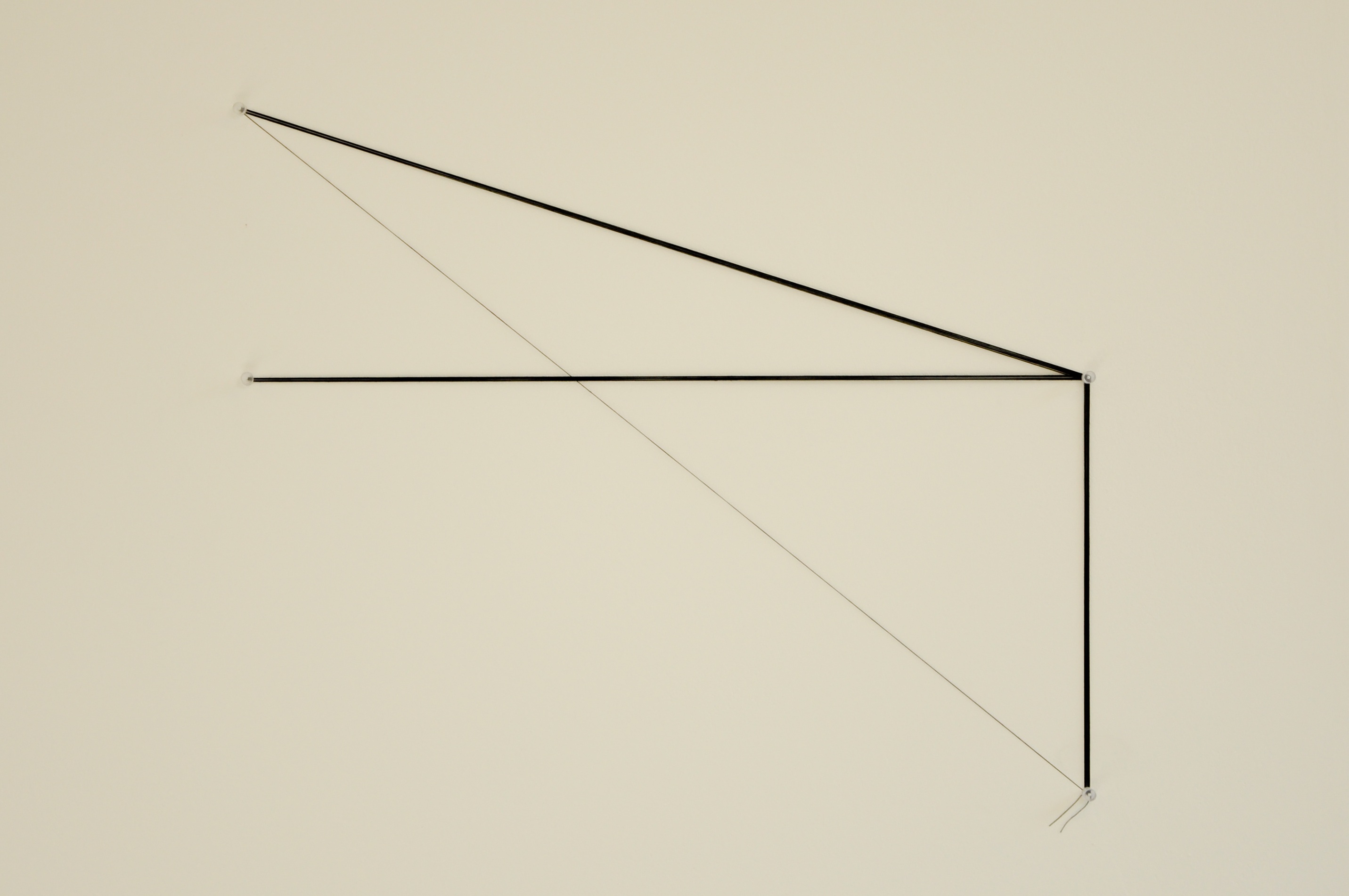
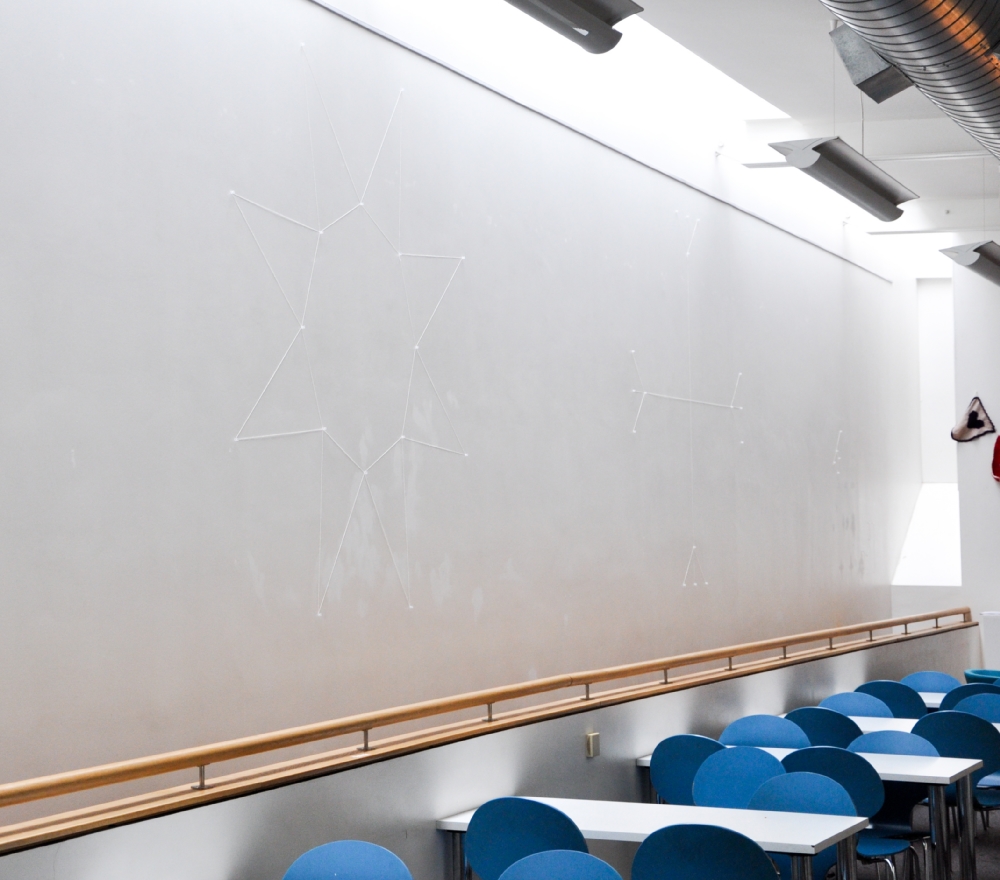
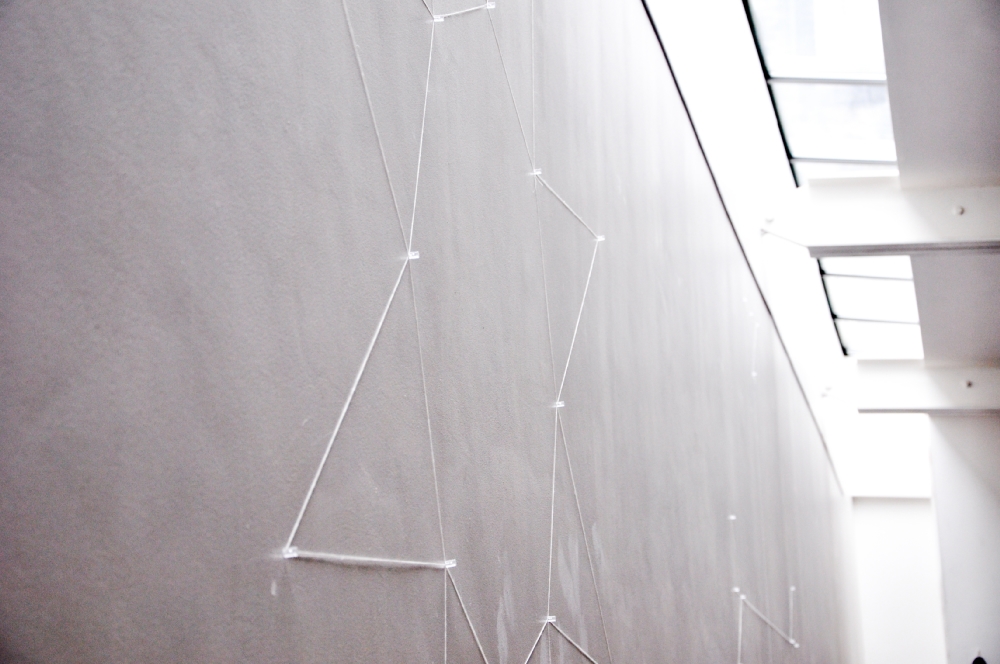
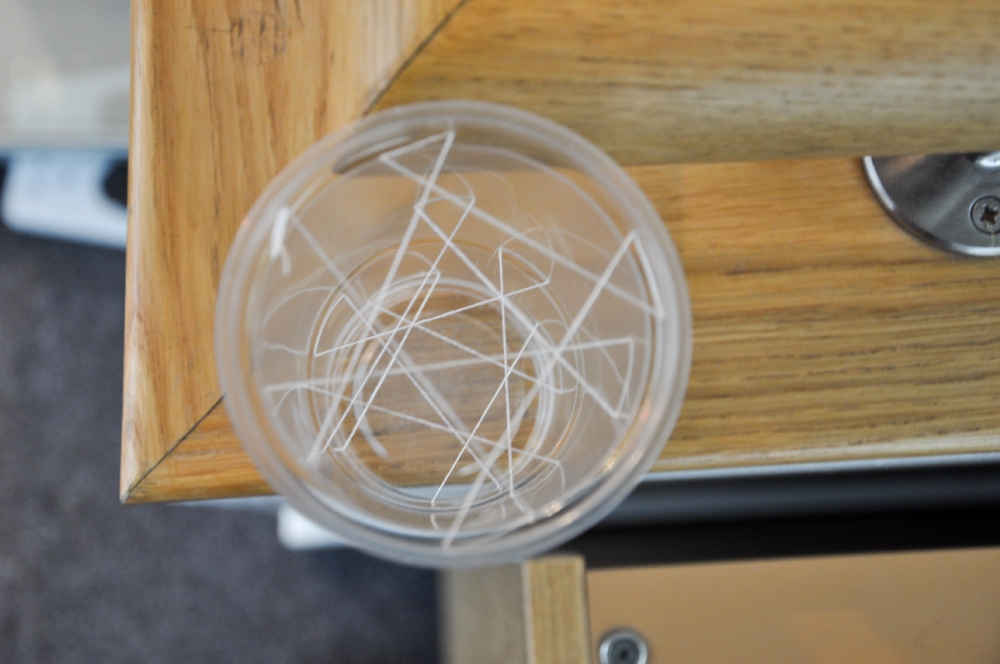
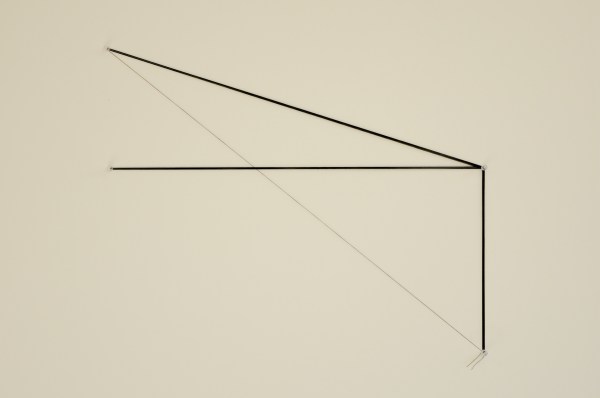
Ruskin Gallery at Working Men’s College is pleased to announce the upcoming solo exhibition of WMC alumnus Neil Stoker.  Amongst many other things, Stoker’s practice involves a series of drawings done by linen thread, and by using this medium, he often prompts questions about how one can create a single line or a piece of drawing that is not confined to graphite on paper.

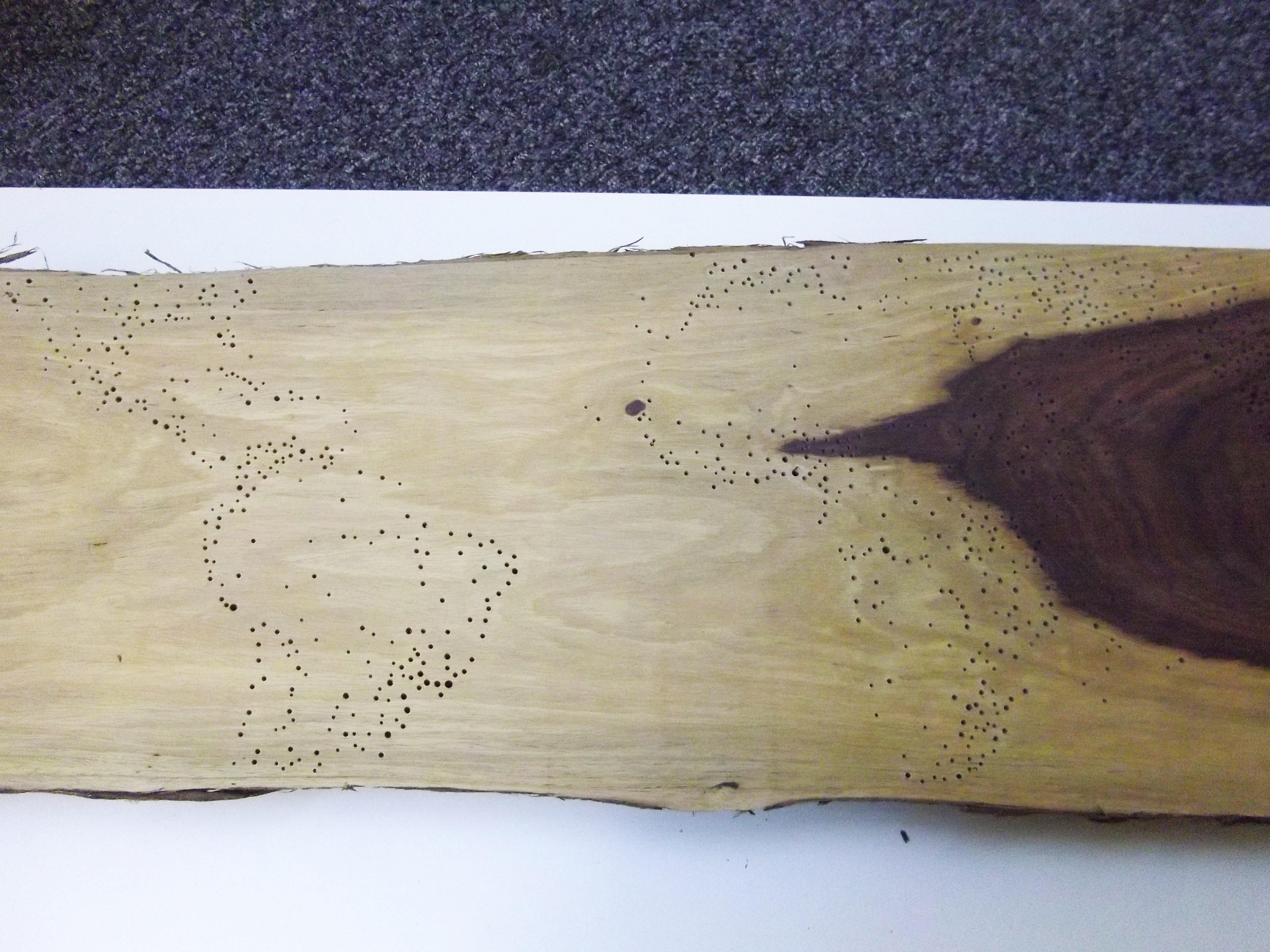
On this occasion Ruskin Gallery commissioned the artist to produce a site-specific installation on the wall as well as small-scale interventions within Working Men’s College.  Whilst his white linen work  appears as a direct influence from John Ruskin and the Ruskin lace pattern, his smaller intervention works are often hidden, insignificant or barely perceptible.  Yet the sense of quiet discovery is very much at the heart of his practice, as is the ephemeral and subtle qualities inherent in the use of thread.

Stoker’s commitment in utilising thread as his material to draw also highlights many branches of inquisitions, including a discussion that touches upon femininity (seamstress) or masculinity (tailors).  Another reference that maybe visited is around craft (embroidery/sewing), contemporary art, and the assigned hierarchy between the two.  In attempting to reconfigure these boundaries, Stoker also imagines himself to be bridging the “chaotic and the ordered, the formal and the decorative, the hidden and the exposed, the spontaneous and the premeditated (2012).”

For more information about the artists and for images of their works, please contact Erica at EricaS@wmcollege.ac.uk or through www.ruskingallery.com or www.neilstoker.com/

Exhibition open Monday to Saturday 10-5pm

Neil Stoker lives and works in London.  He graduated with a BFA from Chelsea College of Art & Design in 2009, and has exhibited at RK Burt Gallery (Paperwork, 2007), Nolia’s Gallery (Enough, 2007), Arthouse (Primary, 2008) Waterloo Gallery (I’m Open. 2008) and at the Old Police Station (Johnny Funstopper’s, 2010).

Installation View 4

Traces of Ruskin, 2010
Bleached 13/1 linen thread and clear plastic pins

Installation View 5

Installation View Traces of Ruskin

Installation View 6

Detail of Traces of Ruskin

Installation View 7

Installation View Traces of Ruskin

Cups

Untitled, 2010
White/black linen thread sown into disposable plastic cups.

Installation View Untitled

Installation View Untitled

Food for Thought No.2:  ART and art

Written by Erica Shiozaki

A single development that occurred from 1877 to 78 forever altered the lives of art critic and writer John Ruskin and painter James Abbott McNeill Whistler.  A statement made by Ruskin regarding Whistler’s Nocturne in Black and Gold: Falling Rocket had prompted the painter to prosecute the art critic who published the libel in a socialist magazine Fors Clavigera (published by Ruskin).  Although Whistler won, he was granted only a fraction of what he initially demanded and Nocturne was deemed unsellable due to extensive damage done during transportation to court.  Irony ensued as Whistler became bankrupt whilst Ruskin lost his reputation, and his mental health declined.  What this artistic and legal development pronounced was a clash in artistic idealism and as a consequence challenged public opinion and the art world, on what art should do, and what it should look like.What it should do, Ruskin would claim, is to be embedded with moral and ethical codes, to teach and share intellectual concerns and values in a visual manner, and to properly convey these messages through fulfilling one’s artistic skills.  Skills predicted and manipulated the content and coherency of these messages, and not just by its aesthetic vacuity, which Ruskin believed Whistler supported.  As a socialist, and like many other thinkers such as Theodore Adorno and Ayn Rand, Ruskin truly believed in the social integrity and capacity the medium of art can have, the power it can behold, and ideas it upheld.  Art had a strong purpose and a concrete role in the daily lives of people, and artists used their skills to craft their codes.

And yet, craft (skills) versus contemporary art has been the debate of 20th century.  In fact, as journalist Adrian Gills would agree, much of the 20th century art defined the practice of de-skilling art, of divorcing arts from its skills.  Gills recently commented at a panel discussion that the element of craft, an object’s craftness, of the 19th century pre-Raphaelite painting for example, “tells you that it is valuable.  If you couldn’t do it, it must be better than the stuff that you could do (2010)”[1].  It was, and still is, a way to detect the craftsperson’s superiority, technical expertise beyond the viewer’s, and that thought is always most definitely easier to access than delving into the political history of art to see how an abstract painting gained its status.  Art can no longer be under the regime of craft, but instead of ideas, thoughts, and minds.  And because it continues to evolve along with various knowledges and conceptions, its necessity will always reduce, expire, or extend, depending on what situation is concocted.  It will also always aim to be autonomous from everything that surrounds it and makes it, as witnessed with craft.[2]

At a very basic level, art is a form of language, a set of symbols with ‘transmentality’,[3] which cannot share a universal ‘look’, promise a spiritual, or intellectual encounter.  And as with other languages, it has many voices with a number of ways to enunciate it, and countless reasons to exist.  In contrast to Ruskin’s belief, there was never a master plan (ART) but always the activity that was categorically reduced to ‘art’.


[1] Gills mentioned this during a debate for Intelligence Squared (01/11/2010), under the motion Photography will always be a lesser medium than art.
[2] There has been a surge of incorporation of craft into the realm of contemporary art.  Most notably artists such as Grayson Perry and Tracy Emin include materials and methods identified as craft art to their existing practices. Yet still, the divisive distinction remains as the aesthetic of craft is considered and not the skills, commitment or expertise witnessed in craft art.
[3] Transmentality, or transmental language, was a notion coined by the Symbolist poetical school, which aimed to transfer emotion, or rather state of mind, rather than the meaning.

Crochet and Knit Night Out

The knitted works here are by Lili Golmohammadi, who leads the course Crochet and Knit Night Out (Fridays 6:30 to 8:30pm) and students Elizabeth Lakoli, Rabeya Ahamed, Allyson Amoroso, Cee Callender, Gillian Eden, Khadijeh Khedri, Haregu Menghistab, Karen Pennicott, Kemi Pennicott, Marianne Rouvier Angeli, So May Tang, Valentina Vanegas, and Maria Vigouroux.

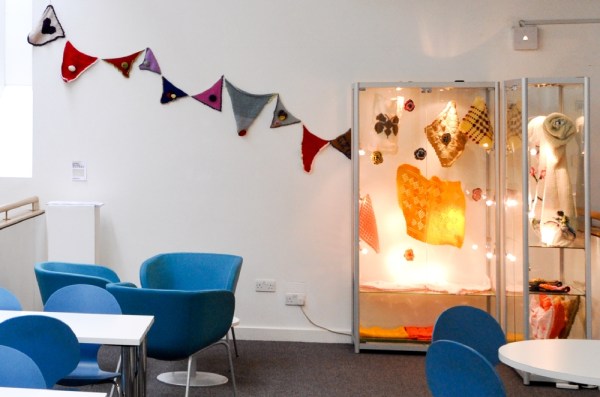
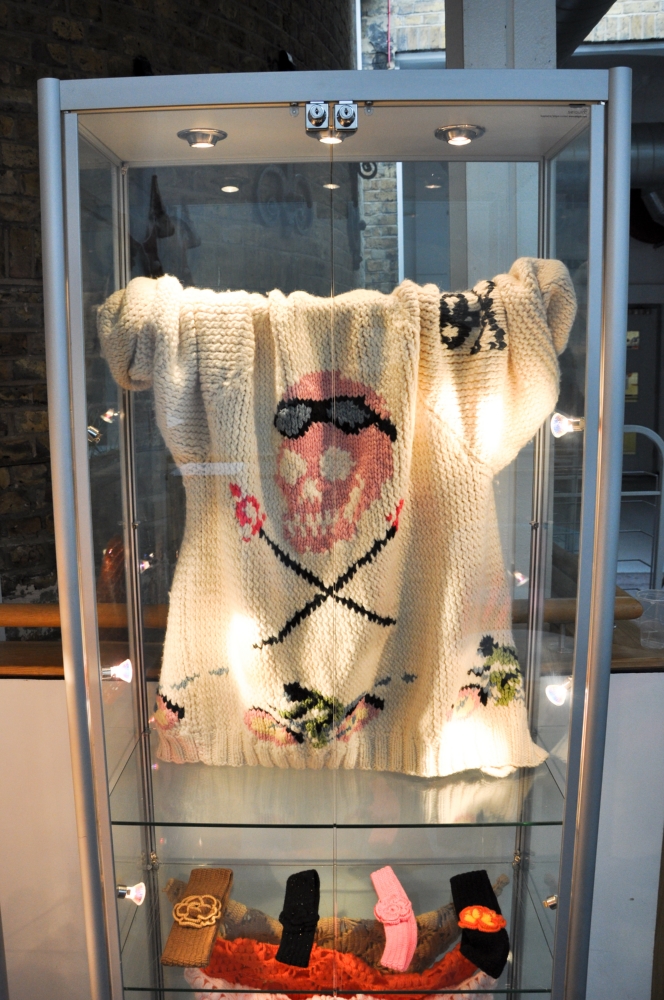
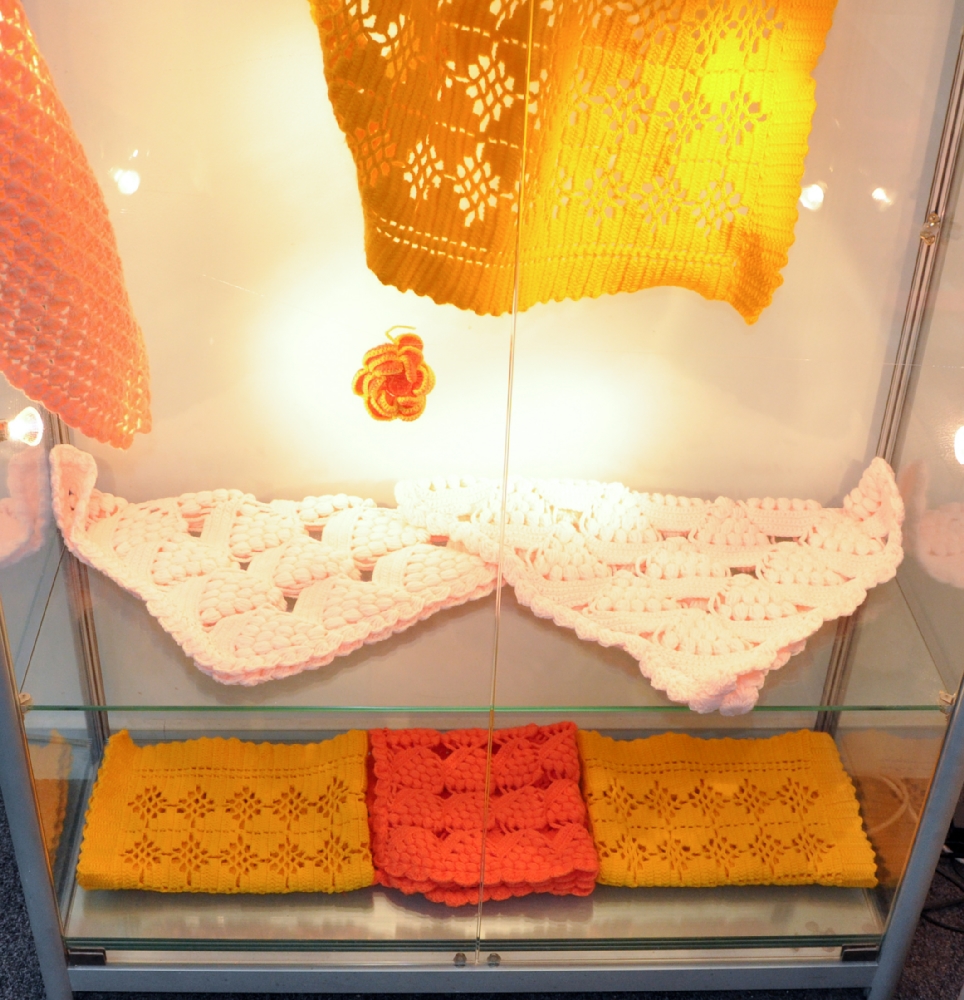
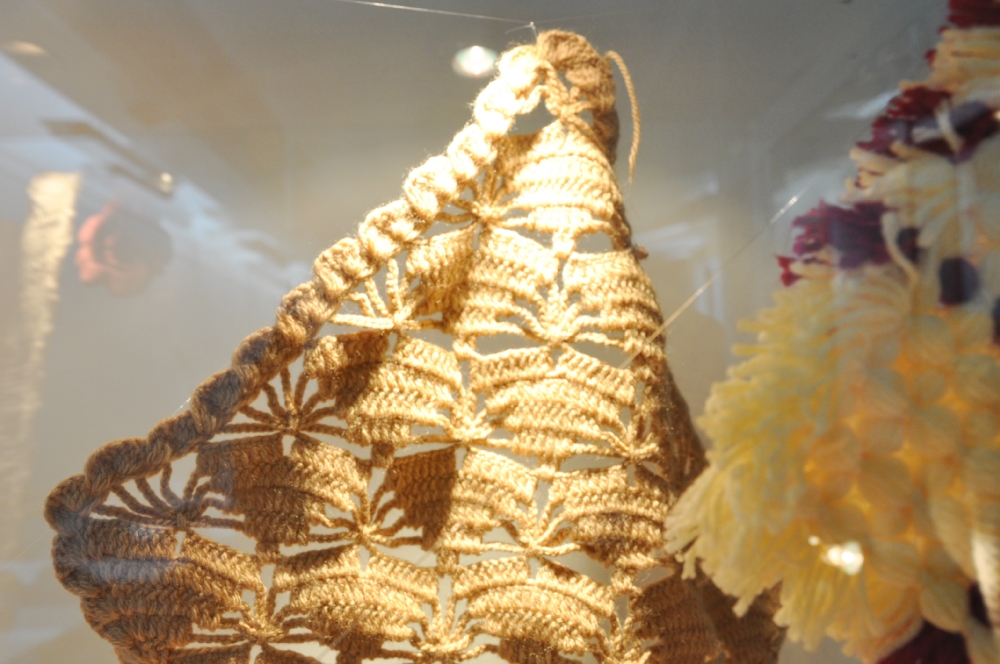
Golmohammadi exhibits a jumper that displays her interest in the ambivalent clash between hard and masculine motorcycle culture, versus the soft domesticity of knitting.  The  imagery of a pink skull with sunglasses that is embedded within the white heavy wool creates an intriguing scene where the two seemingly contradictory worlds collide.  Meanwhile, the rest of the cabinet is occupied by Lakoli’s vibrant and rhythmic patterns.  Soft pink, ochre, brown, and purple flowers are hung delicately, illuminating the material and versatility of yarn.  Not only are Lakoli’s techniques emphasised through the display, but the suspension of knitted or crochet materials aim to engage a different perspective and experience of knitted objects.  On the far end of the wall, an ongoing bunting project by the students of   Crochet and Knit Night Out extend and meet the works of Neil Stoker who uses linen thread to create an ephemeral and inconspicuous installation.  The bunting in fact plays a large role in making a meaningful connection between the two exhibitions through similarity in material.

For more information on the artist or the exhibition, please contact Erica Shiozaki at ericas@wmcollege.ac.uk

Top shelf: Lili  Golmohammadi

Bottom Shelf: Elizabeth Lakoli.

Elizabeth Lakoli

Detail of Lakoli’s Knit work

Detail of Knit Flower

Detail of Lakoli’s knit work

Detail of Lakoli’s knit work

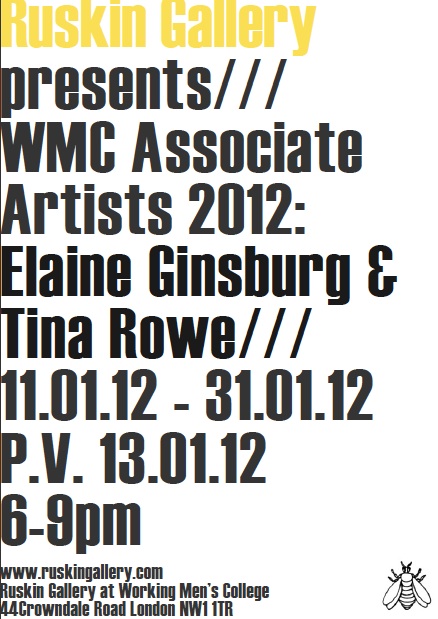
WMC Associate Artists 2012: Elaine Ginsburg and Tina Rowe


Associate Artist 2012 Elaine Ginsburg and Tina Rowe

11 January – 31 January

Ruskin Gallery at Working Men’s College is pleased to announce the upcoming duo exhibition by Associate Artists Elaine Ginsburg and Tina Rowe.  Associate students at the WMC aim to develop independent creative projects over one year.   The small tailor made programme enables students to build their portfolios in their specialist fields before entering the creative industry or applying for postgraduate studies.

Using a wide range of media, Ginsburg is driven by thorough investigation of materials and techniques.  This show presents her recent experiments with solutions of acrylic paint applied to paper and raw canvas with foam sponges, which she makes herself.  She plays with layering, glazing and wiping off ambiguous semi-organic forms and subtle injections of contrasting colour.  This reflects her interest in process and what philosopher Christine Battersby (in her book The Phenomenal Woman, 1998) has called “a feminist metaphysics of fluidity”, which focuses on “becoming rather than being, where new forms are perceived from forgotten patterns of difference”.

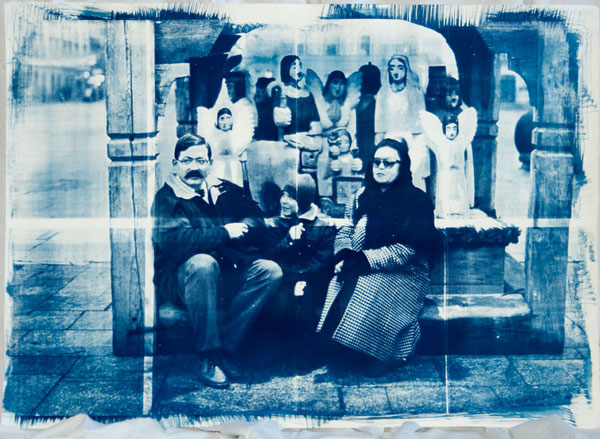
Process and material are also a key focus in Rowe’s production.  By introducing the print to layers of liquid chemicals and pigments, Rowe observes the reaction and manually manipulates the colours and shades of the photographic images.  This processing of images on various types of paper allows a greater degree of creative freedom that is different from that of digital construction. The resulting vibrant cyanotypes act as a reminder of the physical labour and chemical reactions inherent in the field of photography.  Contrary to Ginsburg’s abstract pursuit, Rowe’s photographic subjects include families and strangers in Krakow or Hamburg that are brushed with multiple colours and dipped in sunlight.

The exhibition will be accompanied by an essay written by the curator.

For more information about the artists and for images of their works, please contact Erica at EricaS@wmcollege.ac.uk or through http://www.ruskingallery.com.

Exhibition Preview: Friday 13th January 6-9pm
Exhibition open Monday to Saturday 10-5pm

Elaine Ginsburg lives and works in London.  Her recent shows include i-sho at The Gallery, Stoke Newington (2011) and Pragmata at Islington Arts Factory (2011).

Tina Rowe lives and works in London.  Her recent shows include London Independent Photographers’ Annual (23rd) Exhibition, Strand Gallery (2011) as well as Fitzrovia Photography Prize, Diemar Noble (2011).

Food for Thought No.1:  Compare and Contrast

Written by Erica Shiozaki

The number two is a strong number.  When presented with two matters, two things, two artists, their characteristics become more decisive, similarities strengthened, and differences more apparent.  The number two is able to propel the process of compare and contrast, of creating analytical tension, repulsing ambiguity and loving coherency.

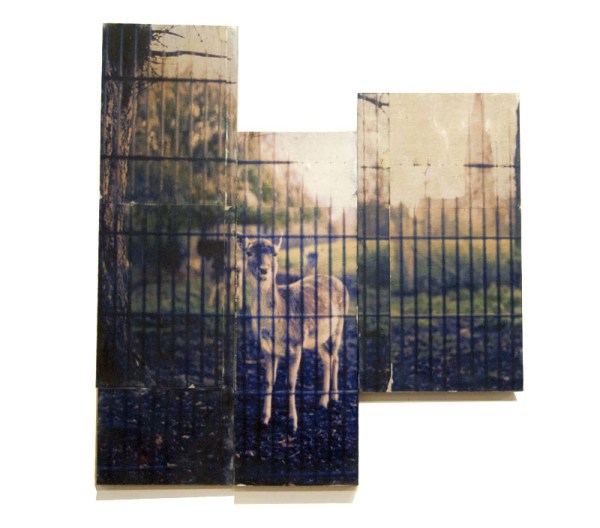
Superficial differences are clear between artists Elaine Ginsburg and Tina Rowe – in fact they are at times oppositional.  Whilst Ginsburg‘s works are accounted as abstract configuration using paint, Rowe presents figurative images derived from photographs.  The ephemeral allure in Ginsburg’s approach is pronounced in each piece, where round foam strokes dominate the lucid background, and where each layer of paint remain visible, exposing its own purpose.  Ginsburg’s minimal compositions are poetically prescribed, displaying the contrast between warm and cool colours but Rowe depicts images of animals, children, old men and stations.  Her vivacious but nostalgic cyanotypes refract organic compositions, where chemical reactions between light, gum arabic, water, solvent and darkness create images that are bold in colour, yet also faint in existence.

More significantly, their process is equally distinguished from one another.  Ginsubrg’s procedure can be described as wholesome, but Rowe’s photographic process is much more fragmented both technically and aesthetically.  Ginsburg begins with an empty canvas and envisions her composition in a unified way yet Rowe’s method considers each stage, each progression in a semi-encapsulated manner one after the other, with pauses in between.  Whilst Ginsubrg’s compositions work collectively, simultaneously and in unison, Rowe completes her work in segments that can afford a fragmented and ethereal quality in her images.

As differences become clearer, where black gains a few shades and white increases its luminosity, commonalities also appear, strongly yoking the two subjects/objects.  Each silver thread of commonality then gives birth to thoughts and relationships that were previously inconceivable, opening up multiple cells of reality that summon other thoughts.

One of the more considerable aspects to be mentioned here is the artists’ manner towards the act of creation.  One’s manner towards art depicts the relationship they have with art, and not merely their attitudes or artistic processes.  Ginsburg and Rowe present cautiousness, willingness, seriousness, and nervousness in their practices, which were particularly visible during the studio visits we have had.  Ginsburg’s sketchbook acts as a detailed documentation of every artwork she created, that are complete with thumbnail images, precise notes, ideas, and aesthetic formulas.  Equally, Rowe manages a blog by recording every experiment, image, thought and procedure she undertook.  Ginsburg and Rowe both present cautiousness in their practice, slicing and dissecting each method and process, predicting or analysing the outcome through tests.  The two portray a real desire to pursue and to be serious, but they also emit nervous energy that helps discover their definition of art.  This nervous energy is not of anxiousness or rapaciousness, but rather eagerness associated with the greater understanding of the act of ‘learning’.

Perhaps it is because the two artists were introduced to art later in life that they present such manner, or perhaps this is a reading that is deeper than necessary.  Yet, I believe Ginsburg and Rowe strongly epitomise the characteristic of Working Men’s College, where many adults bring in a wealth of past experiences and an equal amount of eagerness into their subjects.  Over the past few months I have noticed that the artworks of adult learners are often unhindered by institutionalised knowledge, amounting to works that feel different, that feel outside of what is commonly understood.  The experience, professionalism, and various branches of knowledge these students bring forth influence their concepts as well as their outcomes, which re-invent the language of art.   I not only believe that artists like Ginsburg and Rowe remind us of the importance of nervous energy, but that they also help shed new light to the vast territory of art.


Tina Rowe
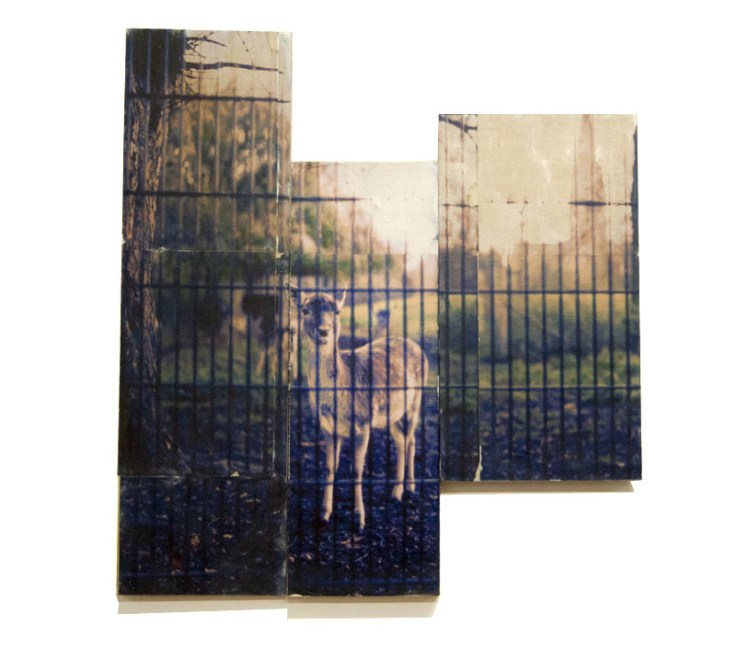
Deer, 2012
dimensions variable

Blog at WordPress.com.

Up ↑